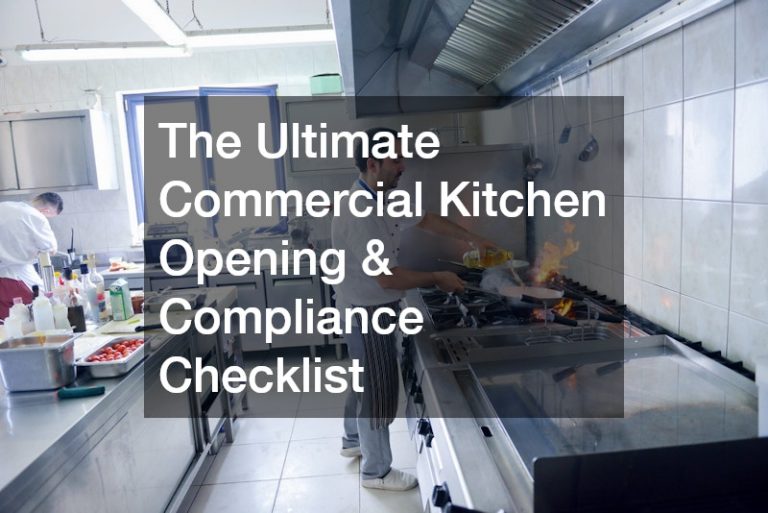
The process of bringing a new culinary concept to life is filled with immense energy. It requires passion. From conceptualizing the menu to selecting the perfect dining room decor, every decision helps shape the future guest experience. However, beneath the creative surface lies a complex network of operational systems. Every single system must meet strict regulatory standards. Opening a commercial kitchen requires navigating a maze of health codes, building permits, safety inspections, and environmental laws. Failing to prepare for these legal demands can lead to expensive delays, fines, or even a postponed grand opening. This comprehensive guide provides a practical roadmap to help operators manage the technical requirements of setting up a food service facility. By addressing infrastructure, sanitation, and supply chains systematically, owners can ensure their business launches smoothly. It protects the financial investment. Building a solid foundation early saves time and allows the kitchen team to focus on what they do best: creating exceptional food for their future patrons. Preparation is the true secret to longevity in this highly competitive industry.
Assessing Structural Integrity and the Building Envelope
Before installing expensive ovens or designing prep stations, operators must ensure the physical building is completely sound. The roof is the first line of defense against external elements like rain and wind. Any compromise there can ruin a kitchen before it even opens. Water leaks can damage ceiling tiles, cause electrical shorts, and create environments where mold thrives. Health inspectors look closely at the structural condition of a building. Any sign of water intrusion can halt an inspection immediately. It is important to have a professional evaluate the roof regularly. Commercial kitchens require heavy rooftop equipment like exhaust fans and makeup air units. These heavy systems place extra stress on the building structure and require proper sealing to prevent future leaks. Partnering with a reliable commercial roofer ensures that all rooftop installations are secure and completely weatherproof. Taking care of the building exterior protects the interior assets. It guarantees that the facility remains safe and dry during intense weather events, giving the business a secure foundation to operate for years to come. Skimping on structural evaluations can lead to disaster later on down the road.
Establishing Heavy-Duty Electrical Systems
A commercial kitchen is a high-energy environment. It relies on a constant, uninterrupted flow of electricity. Industrial appliances like walk-in freezers, combi-ovens, high-temperature dishwashers, and food processors demand far more power than standard residential equipment. Most commercial food service facilities require a three-phase electrical system to handle these heavy operational loads safely. Upgrading an older building panel or wiring a new layout requires specialized knowledge of local electrical codes and safety standards. Improper wiring can lead to frequent circuit breaks, damaged appliances, or dangerous electrical fires. It is a massive hazard that no business owner should ignore under any circumstances. To avoid these problems, facility managers must hire a certified commercial electrician to evaluate the power supply, map out circuit loads, and install dedicated outlets for high-voltage equipment. Properly distributed power prevents operational interruptions and ensures that all appliances run at peak efficiency. Taking the time to build a robust electrical grid provides peace of mind and keeps the daily line moving without power failures or costly technical interruptions. No kitchen can survive constant electrical issues.
Designing Reliable Water Supply and Drainage Infrastructure
Water is critical to any food service operation. It is used constantly for cooking, cleaning, sanitizing, and hydration. A fully compliant kitchen must feature a well-designed plumbing system that delivers adequate water pressure and consistent hot water temperatures. Health codes require separate, dedicated sinks for handwashing, food preparation, and warewashing to prevent cross-contamination. Additionally, wastewater must drain away quickly and hygienically without any risk of sewage backup. Meeting these detailed municipal requirements demands careful planning and professional execution. Experienced plumbers are necessary to install the complex network of pipes, water heaters, backflow preventers, and indirect waste lines required by law. They ensure that hand sinks are placed within easy reach of workstations and that prep sinks drain properly. Resolving plumbing issues before the floors and walls are finished saves significant money. It ensures the kitchen passes initial health department walk-throughs without a hitch, keeping the project on schedule for opening day. Clean water and efficient drainage remain paramount for daily operations and staff hygiene.
Implementing Effective Grease Disposal Systems
Environmental regulations governing commercial kitchens are strict, particularly when it comes to managing liquid waste. Food service facilities produce large amounts of fats, oils, and grease, commonly referred to as FOG in the industry. If these substances enter the public sewer system, they cool, solidify, and cause massive blockages. This disrupts municipal infrastructure. To prevent this, local governments require businesses to install specialized interceptors designed to separate grease from wastewater before it leaves the property. Properly sizing and installing commercial grease traps is a critical compliance step for any new restaurant or catering facility. These units must be placed in accessible locations so that kitchen staff or waste management teams can clean and maintain them easily. Neglecting grease management can lead to foul odors, slow drains, municipal fines, and temporary business closures. Investing in the correct grease interception system protects the environment, respects local regulations, and keeps the business in good standing with local utility departments. Compliance keeps the business running smoothly without sudden city interventions or shutdowns.
Managing Airflow, Ventilation, and Climate Control
The climate inside a busy kitchen directly impacts food safety, employee productivity, and overall comfort. Cooking equipment generates intense heat, steam, and airborne particulates that can quickly make an indoor environment unbearable. Proper air management requires a delicate balance between exhausting hot air and introducing fresh, conditioned makeup air from the outside. If the airflow is unbalanced, the kitchen can develop negative air pressure. This causes doors to slam, drafts to form, and dining room temperatures to fluctuate wildly. Maintaining precise climate control and refrigeration requires ongoing attention from professional HVAC repair contractors who understand commercial food service needs. These specialists can calibrate the system to keep prep areas cool, manage humidity levels, and ensure that walk-in coolers maintain steady, safe temperatures. Proper ventilation also prevents smoke and strong cooking odors from drifting into customer seating areas, preserving a pleasant atmosphere for guests and maintaining a comfortable environment for the kitchen crew. A well-ventilated kitchen keeps employee morale high, lowers utility bills, and protects food quality.
Maintaining Primary Ventilation Hoods
Directly above the cooking line sits the primary defense against airborne grease and heat. This is the kitchen hood system. This equipment captures smoke, vapor, and grease droplets right at the source, pulling them away from the cooking surface. Over time, a thick layer of flammable residue collects on the hood surfaces and filters, creating a serious fire hazard. Regular maintenance of these visible areas is essential for daily safety. It is a top priority for health and fire inspectors alike. Operators must establish a strict schedule for commercial hood cleaning to keep the metal surfaces, filters, and backsplashes free of dangerous buildup. Keeping these hoods clean improves airflow efficiency, reduces the load on exhaust fans, and maintains a brighter, more sanitary workspace for the culinary team. Clean hoods also prevent old grease from dripping back down onto cooking surfaces or prepared food, ensuring high standards of hygiene, worker safety, and food quality during operational hours. Daily care makes regular commercial maintenance much easier for the team.
Addressing the Entire Exhaust Network
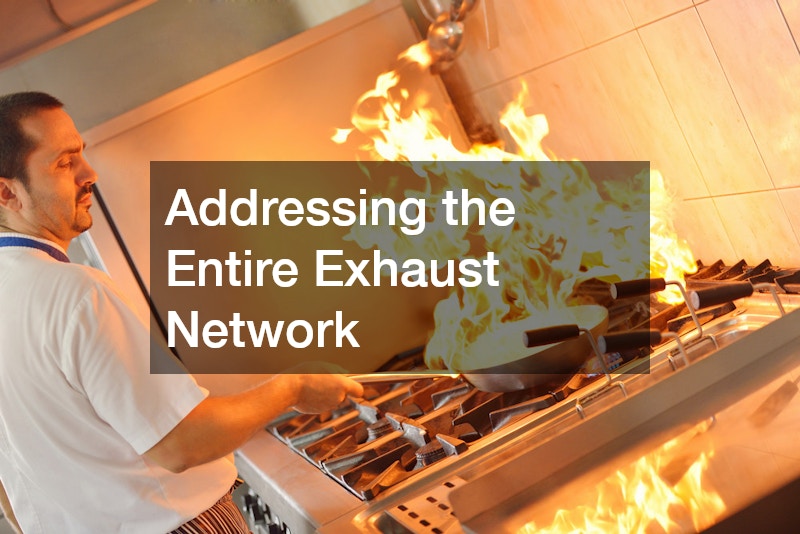
While keeping the visible surfaces of a kitchen hood clean is important, danger often hides out of sight within the ventilation ductwork. Grease vapors travel deep into the exhaust ducts and settle on internal walls, fans, and rooftop discharge areas. This hidden accumulation creates a continuous fuel source that can turn a small stovetop flare-up into a catastrophic structure fire. National fire safety codes require thorough, deep-system cleaning of the entire ventilation network at regular intervals based on cooking volume. Professional commercial kitchen exhaust cleaning services are required to access these hidden spaces, scrape away hardened grease, and wash the system down to bare metal. These certified technicians use specialized tools and chemicals to clean the vertical and horizontal ducts completely. Documenting these cleanings with official certificates keeps the business compliant with insurance policies and local fire departments, proving that the facility actively mitigates fire risks and prioritizes the safety of the entire property. Safety should never be compromised for convenience, speed, or cost-cutting measures.
Installing Robust Suppression Systems
Even with meticulous cleaning routines, the presence of open flames, hot oils, and electrical appliances means that fire risks can never be completely eliminated. Therefore, every commercial kitchen must be equipped with automatic emergency suppression systems designed to react instantly to a crisis. These systems are typically integrated into the hood canopy and are designed to release specialized liquid chemicals that smother grease fires quickly. Alongside kitchen-specific systems, the building must have functional smoke alarms, visible fire extinguishers, and properly maintained sprinkler systems. Investing in comprehensive fire protection is a non-negotiable step for obtaining a certificate of occupancy. These life-safety systems must be inspected, tested, and tagged by certified professionals before the doors can open to the public. Training the kitchen staff on how to activate these systems manually and how to use handheld extinguishers ensures that everyone is prepared to handle an emergency safely, calmly, and effectively. Every single employee should know exactly how to react in a crisis situation to prevent injuries.
Establishing Rigorous Pest Control Protocols
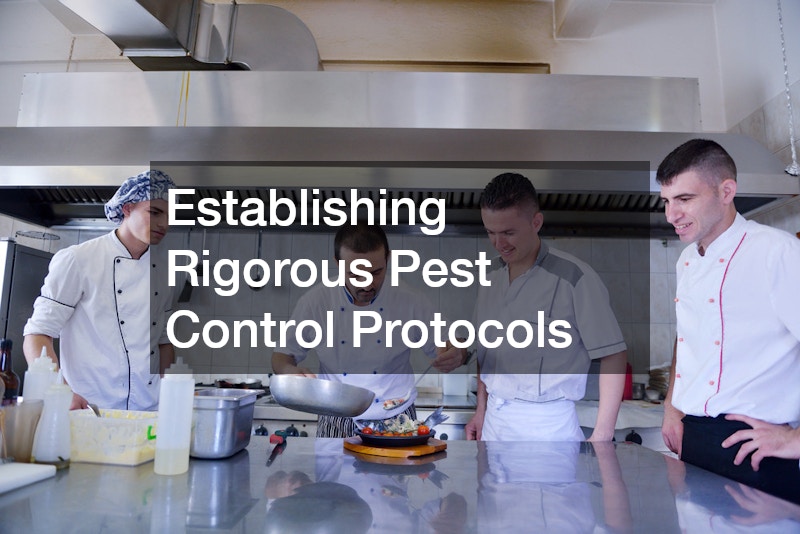
A clean, successful food service facility must remain entirely free of unwanted pests, which pose severe threats to food safety and public health. Insects and rodents are naturally attracted to the warmth, moisture, and abundant food sources found in busy kitchens. A single pest sighting during a health inspection can result in immediate point deductions, fines, or an embarrassing public closure. Preventing infestations requires a proactive approach that combines structural exclusion, strict sanitation practices, and professional monitoring. Partnering with experienced pest control companies allows operators to establish a defensive perimeter around the building and identify potential entry points. These professionals install discreet monitoring stations, treat vulnerable areas safely, and provide the documentation required by local health departments. Keeping pests out protects the reputation of the business, maintains a sanitary environment for staff, and ensures that the facility consistently meets all local health and sanitation standards, building trust with the community. A proactive stance is always better than a reactive one in the food business.
Securing the Culinary Supply Chain
Once the physical infrastructure is compliant and secure, focus shifts to the inventory that drives the business. Sourcing high-quality ingredients is essential for creating a stellar menu, but it also carries significant compliance responsibilities. Food service operators must ensure that their suppliers follow strict food safety regulations during production, storage, and transport. Receiving docks and storage areas must be organized to accommodate large shipments of wholesale ingredients safely and efficiently. Dry storage rooms must be kept cool and dry, while refrigerated items must go straight into temperature-controlled units to prevent spoilage. Establishing clear protocols for inspecting incoming deliveries ensures that dented cans, broken seals, or temperature-abused products are rejected immediately. Tracking batch numbers and shelf life helps kitchen managers practice proper rotation methods, reducing waste and ensuring that guests are always served safe, fresh, and high-quality food, protecting the restaurant from liability. High standards from day one ensure continuous product excellence over time.
Building for Long-Term Success
Opening a commercial kitchen is a major milestone that requires balancing creative culinary vision with rigorous technical compliance. From the roof above to the storage rooms below, every part of the facility plays a role in creating a safe, legal, and efficient operation. Navigating the requirements of building codes, fire safety, health inspections, and environmental laws can feel overwhelming, but a systematic approach makes the process manageable. By working with certified professionals and establishing clear operational protocols early, owners can avoid costly mistakes and building delays. This checklist serves as a foundation for building a business that protects its staff, serves its customers safely, and stands up to regulatory scrutiny. With the infrastructure secure, the systems tested, and the supply chain verified, operators can open their doors with confidence. The hard work put into compliance during the pre-opening phase creates a smooth path toward long-term operational success, financial stability, and culinary excellence. Every step forward brings the dream closer to reality for the owners.