The price on the windshield sticker is just the entry fee for car ownership, not the total bill. Between fuel, insurance, maintenance, depreciation, and the inevitable repair, most owners end up spending far more than they budgeted in year one alone. Understanding these hidden costs before you sign a loan or lease can save you thousands and prevent the sinking feeling of being financially blindsided. This guide breaks down what vehicle ownership actually costs once the paperwork is signed and the keys are in your hand.

Insurance Premiums and Coverage Levels
Insurance is one of the largest recurring costs of owning a vehicle, and the number on your quote depends on far more than your driving record. Your vehicle’s make, model, age, and safety rating all factor into what you pay monthly, as do your location, credit history, and chosen deductible. Many new owners underestimate this expense because they only compare liability minimums instead of the fuller coverage that protects against real-world accidents.
Comprehensive and collision coverage matter more than most buyers realize until they actually need to file a claim. A trip to the body shop for collision repair after even a minor accident can run into the thousands, making that coverage far more valuable than it seems on paper. Finding a reliable auto collision repair shop before you need one can also save time and stress, since not every provider handles insurance claims or parts sourcing the same way. If you are financing a vehicle, your lender will likely require this coverage anyway, so it pays to shop it into your budget from day one rather than treating it as an afterthought.
- Compare quotes from at least three insurers before finalizing a purchase decision
- Ask about discounts for bundling home and auto policies
- Consider raising your deductible to lower monthly premiums if you have savings set aside
- Factor in higher premiums for larger vehicles or those with powerful engines
Routine Maintenance and Scheduled Service
Every vehicle needs ongoing attention to stay reliable, and skipping scheduled service almost always costs more in the long run. Oil changes, brake pads, tire rotations, and fluid flushes are predictable expenses that add up over a year, often totaling more than owners expect when they first budget for a car payment. Manufacturers publish maintenance schedules for a reason, and following them helps preserve resale value while avoiding bigger mechanical failures down the road.
Regular auto repair visits for smaller issues, like a worn belt or a failing sensor, are far cheaper than waiting until something breaks completely. A trustworthy shop will walk you through what is urgent versus what can wait, which helps you plan your spending instead of getting hit with surprise bills.
- Budget roughly 100 to 150 dollars per month for routine upkeep on an average vehicle
- Keep a maintenance log to track patterns and catch recurring issues early
- Replace air filters and wiper blades on schedule to avoid strain on other systems
- Ask your mechanic for a written estimate before authorizing any work
Collision Damage and Bodywork Repairs
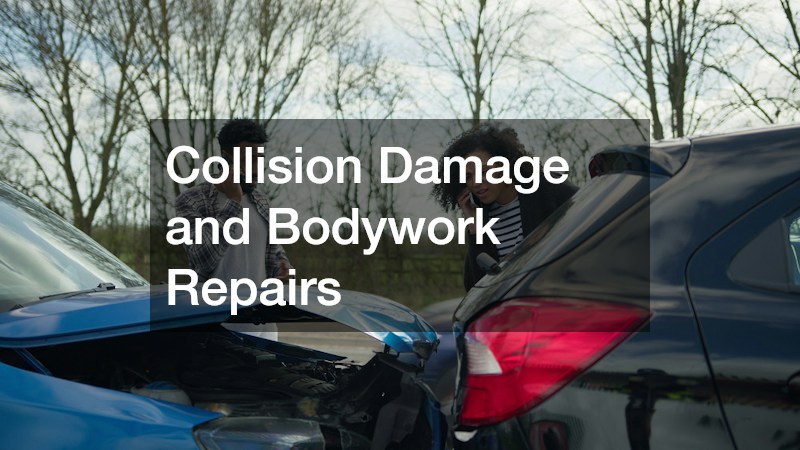
Even careful drivers eventually deal with a fender bender, a hailstorm, or a parking lot scrape, and repair costs for this kind of damage can be substantial. A single visit to an auto body shop for bumper replacement or panel repair can run into the thousands, especially on vehicles with sensors and cameras built into the bodywork. A simple bumper cover repair might cost $300 to $600, but replacing a bumper equipped with parking sensors, radar modules, or camera housings can easily climb past $1,500 once recalibration is factored in. Paint work adds another layer of expense that’s easy to underestimate.
Matching factory paint on modern vehicles often requires blending into adjacent panels, and a single-panel respray can cost several hundred dollars on its own. Multi-panel damage from a hailstorm or a more serious collision can push a repair bill well into four figures before any mechanical components are even considered. Insurance deductibles play a big role in what actually comes out of pocket. A $500 or $1,000 deductible might cover a large share of a major repair, but for minor cosmetic damage, drivers often end up paying the entire bill themselves rather than filing a claim and risking higher premiums.
That math is worth running before deciding whether to involve insurance at all. Getting multiple estimates before agreeing to repairs is smart, since pricing can vary significantly between shops in the same area. It’s also worth asking whether a shop uses OEM parts or aftermarket alternatives, as that choice can affect both cost and how well safety systems recalibrate afterward.
An auto collision often involves more than cosmetic fixes, since hidden frame damage or misaligned components can affect how a vehicle handles afterward. Even a moderate-speed fender bender can push a bumper impact into the radiator support or subframe, and that kind of structural damage isn’t always visible during a quick walk-around inspection.
Repair estimates for these hidden issues can climb well past $2,000 once a shop puts the vehicle on a frame machine and measures it against factory specifications. It is worth confirming that any auto body shop you use is certified to work on your specific make and model. This matters most if your vehicle has aluminum panels, which require separate tools and workspaces to avoid cross-contamination with steel dust, or advanced driver assistance systems like forward collision sensors and lane-keep cameras that need recalibration after repair.
Skipping proper recalibration is a common way owners end up with expensive comebacks. A misaligned camera or sensor might pass a casual test drive but fail to trigger automatic braking or lane assist correctly when it matters, and diagnosing that after the fact often costs more than doing it right the first time. Asking upfront whether a shop uses OEM-approved procedures and calibration equipment can save both money and safety headaches down the road.
- Request a detailed written estimate that separates parts and labor costs, and lists each repair line item individually
- Ask whether the shop uses OEM parts or aftermarket alternatives, since OEM parts typically cost more but preserve resale value and fit tolerances
- Confirm the repair warranty length before agreeing to any work — most reputable shops offer a lifetime warranty on workmanship, while parts warranties vary by manufacturer
- Ask how long the shop expects the vehicle to be out of service before repairs are complete, and get that estimate in writing in case delays arise
- Check whether your insurer requires a second estimate or a specific network shop before covering the claim
- Ask if rental car coverage is included in your policy, since even minor bodywork can take 3-7 days
Depreciation and Long Term Resale Value
A new vehicle can lose a significant chunk of its value within the first year, and this quiet cost rarely shows up on any monthly statement. Depreciation is influenced by brand reputation, mileage, condition, and even color, with some models holding value far better than others over a five year span. Buyers who ignore this factor often find themselves owing more on a loan than the car is actually worth.
Keeping detailed service records and avoiding unnecessary modifications can help slow depreciation and make resale easier when the time comes. Vehicles with a documented history of routine upkeep and no lingering mechanical issues consistently sell for more than comparable cars with a spotty or incomplete history.
- Research resale value rankings before buying, not after
- Keep mileage moderate if resale value is a priority
- Save all maintenance and repair receipts in one folder or app
- Avoid extreme customizations that limit buyer appeal later
Fuel, Charging, and Daily Operating Expenses
Daily driving costs sneak up on owners who only think about the purchase price and forget the ongoing expense of simply using the vehicle. Fuel economy varies widely between models, and a truck or SUV with poor mileage can cost hundreds more per month than a compact sedan under the same driving conditions. Electric vehicle owners face a different calculation involving home charging equipment and electricity rates, which can still add up depending on local utility costs.
Commuting distance, traffic patterns, and even tire pressure all affect how much you spend at the pump or charging station each month. Tracking these numbers for a few months after purchase gives a much more realistic monthly budget than relying on advertised fuel economy ratings alone.
- Track fuel costs weekly for the first three months of ownership
- Check tire pressure monthly since underinflation increases fuel consumption
- Compare highway versus city mileage ratings against your actual commute
- Factor in seasonal fuel price swings when budgeting annually
Heavy Duty Vehicle and Commercial Ownership Costs
Owners of trucks used for work, hauling, or towing face a different cost structure than typical passenger vehicle owners. Heavier loads and constant use put extra strain on suspension components, brakes, and drivetrain parts, which means these systems wear out faster than they would on a commuter car. Sourcing heavy duty truck parts for repairs or upgrades can be a significant recurring expense, particularly for older work trucks that see frequent wear on suspension and drivetrain components.
Common replacement items include heavy-duty shocks, U-joints, clutches, and brake systems rated for higher gross vehicle weights, and these parts often cost two to three times more than their standard-duty counterparts. Towing packages, upgraded cooling systems, and reinforced frames also require specialized parts when they eventually need service, and availability can vary depending on the truck’s age and manufacturer.

Commercial owners should also factor in downtime costs. A work truck sitting in a shop waiting on a part isn’t generating revenue, so budgeting for both the part itself and potential lost productivity is worthwhile. Business owners considering a larger vehicle should factor these part costs into their overall budget rather than assuming maintenance will mirror a standard car. Setting aside a dedicated maintenance reserve, rather than treating repairs as unexpected surprises, helps keep a fleet or single work truck financially predictable over time.
Anyone shopping for a box truck for sale should look closely at maintenance history and mileage before committing, since commercial vehicles often carry more wear per year than personal vehicles. A truck used for daily regional delivery routes can rack up 30,000 to 50,000 miles annually, compounding wear on brakes, suspension components, and the drivetrain far faster than a typical passenger car.
Buyers should also request service records for items unique to commercial vehicles, such as the liftgate, cargo box seals, and refrigeration units if the truck was used for temperature-controlled hauling. Tires alone can be a significant expense, since commercial-grade tires for a box truck often cost several hundred dollars each and may need replacement more frequently under heavy loads. A lower purchase price on a used commercial truck can be misleading if the vehicle needs immediate part replacement or bodywork shortly after purchase.
Diesel engines, common in this class, may also require costly repairs to emissions systems like the DPF or DEF components if not properly maintained. Finally, factor in commercial insurance premiums, DOT compliance costs, and potential downtime expenses, since an idle truck awaiting repairs directly cuts into revenue for owner-operators and small fleets alike.
- Request full maintenance records for any used commercial vehicle, including oil change intervals, brake service, and any warranty claims
- Have a mechanic inspect the drivetrain, transmission, and suspension before purchase — these components take the brunt of heavy loads
- Check the DOT inspection history and accident reports if the vehicle was fleet-operated
- Budget separately for parts that wear faster under heavy loads, like brakes, tires, and clutches, which can wear 2-3x faster than in passenger vehicles
- Set aside funds for tires specifically, since commercial-grade tires can cost $300-$600 each and need replacing more often under heavy use
- Compare part availability and pricing across several suppliers, including OEM dealers, aftermarket retailers, and salvage yards
- Factor in downtime costs when parts aren’t readily available, since a truck sitting idle for repairs means lost revenue
Towing, Roadside Assistance, and Emergency Costs
Breakdowns happen at inconvenient times, and the cost of getting a vehicle off the road safely is one many owners forget to plan for. Heavy towing services for larger trucks or SUVs typically cost more than towing a standard sedan, since specialized equipment is often required to move heavier vehicles safely. Roadside assistance plans, whether through insurance, a credit card, or a standalone membership, can offset these costs significantly over the life of vehicle ownership.
It is worth checking what your current coverage actually includes before you need it, since some plans cap the number of tow miles or limit service to certain vehicle weights. Knowing this ahead of time prevents an already stressful situation from becoming an expensive surprise.
- Compare roadside assistance plans for mileage limits and vehicle weight restrictions
- Keep a physical copy of your membership card or policy number in the glovebox
- Ask if your plan covers flat tires, jump starts, and lockouts in addition to towing
- Reevaluate your plan annually as your vehicle or driving habits change

Protective Coatings and Cosmetic Preservation
Paint protection is often dismissed as a luxury add-on, but it plays a real role in preserving resale value and reducing the frequency of cosmetic repairs. Ceramic coating creates a durable layer that helps resist minor scratches, UV fading, and environmental contaminants that would otherwise dull a vehicle’s finish over time. While it carries an upfront cost, many owners find it reduces how often they need touch-up paint work or detailing down the line.
Car ceramic coating application typically requires professional preparation, including paint correction, to achieve the best results and longest-lasting protection. Owners in areas with harsh sun, road salt, or heavy pollen should weigh this cost against the alternative of more frequent detailing and potential paint damage over several years.
- Ask for before and after paint correction photos when choosing a provider
- Confirm how long the coating is expected to last under normal conditions
- Understand what maintenance washing routine is recommended afterward
- Compare pricing between mobile detailers and dedicated coating specialists
Owning a vehicle involves a much longer list of expenses than the number you agree to at the dealership, and planning for insurance, maintenance, repairs, depreciation, and daily operating costs upfront makes ownership far less stressful. Take time to research realistic costs for your specific vehicle type before you buy, and build a cushion into your budget for the unexpected repair or emergency tow. Doing this homework now means fewer financial surprises later and a much clearer picture of what your vehicle truly costs to keep on the road.