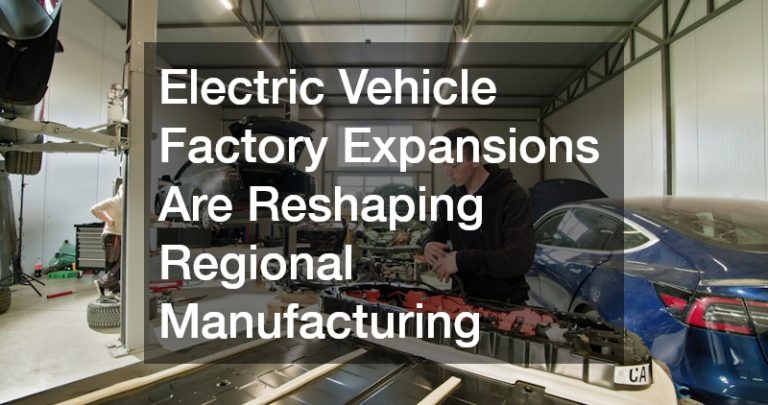
If you live near a growing industrial corridor, you have probably noticed the cranes, the new access roads, and the sudden influx of construction crews. Electric vehicle factory expansions are transforming once-quiet stretches of land into massive manufacturing hubs, and that shift is changing everything from local job markets to home values. Whether you own property nearby, are considering a move to one of these growth areas, or simply want to understand what is happening in your community, this guide breaks down the real-world impact of these projects. Understanding the construction process, the infrastructure decisions, and the ripple effects on surrounding neighborhoods can help you make smarter decisions about your own property and future.
Why Automakers Are Choosing New Regions for Growth
Electric vehicle manufacturers are increasingly bypassing traditional auto manufacturing hubs in favor of regions offering cheaper land, tax incentives, and access to battery supply chains. States and provinces that once had little connection to the auto industry are now competing aggressively for these projects because of the long-term economic benefits they bring. A single EV plant can create thousands of direct jobs and tens of thousands of supporting positions in logistics, retail, and services.
This shift matters to everyday homeowners because it changes the economic identity of an area almost overnight. Communities that were primarily agricultural or residential suddenly find themselves at the center of a manufacturing boom, with all the opportunities and growing pains that come with it.
Breaking Ground on Massive New Facilities
The construction phase of an EV factory expansion is unlike almost anything else in commercial building. These sites often span hundreds of acres — some battery and assembly campuses exceed 4 million square feet under roof — requiring heavy equipment mobilization long before the first wall goes up. Site prep alone can take months, involving mass grading, soil stabilization, and the installation of underground utilities capable of supporting megawatt-scale power loads.
A crane rental service is typically involved from the earliest stages, lifting massive steel beams and prefabricated wall sections that would be impossible to move by hand or standard machinery. Tower cranes and heavy-lift mobile units are often staged in phases, with contractors coordinating multiple crane rental service contracts simultaneously to keep pace with parallel construction zones across the site.
Scheduling becomes its own logistical challenge, since a single delayed steel delivery can stall crane operations and push back interconnected trades like electrical rough-in or roofing. Project managers frequently build in buffer windows and secondary equipment sources specifically to avoid these bottlenecks, given how tightly the entire build sequence depends on lift capacity and timing.
Alongside the heavy lifting equipment, construction crews generate an enormous volume of debris that has to be managed efficiently to keep the project on schedule. On a typical EV plant build spanning several hundred acres, contractors often stage a dozen or more 30- to 40-yard dumpster rental units around the site, each strategically placed near active work zones to minimize hauling distance for laborers.
These containers are sorted by waste type to streamline downstream processing: one set handles packaging waste from shipped equipment and structural steel, another captures scrap metal for recycling credit, and a third is reserved for demolition debris from any existing structures being cleared. Site managers typically coordinate rotation schedules with rental providers so full units are swapped within 24 to 48 hours, preventing bottlenecks that could stall concrete pours, steel erection, or utility trenching.
- Crane operations often run in phases as building height increases, with tower cranes typically added once steel structures pass 60-80 feet
- Waste management plans are usually finalized before the first permit is approved, often specifying recycling targets for concrete and scrap metal
- Site logistics teams coordinate equipment delivery schedules, sometimes staggering deliveries to off-peak hours to avoid road congestion nearby
- Local haulers are frequently contracted to support the volume of debris removal needed, with some sites requiring dozens of truck trips daily
- Dust and erosion control measures, like silt fences and water trucks, are typically mandated before excavation begins
- Temporary access roads are often built to keep heavy machinery off public streets during peak construction phases
Designing Functional Interior Spaces for Employees
Once the shell of a factory is complete, attention shifts to the interior spaces where thousands of employees will spend their workdays. Administrative offices, break rooms, training centers, and locker areas within these facilities need flooring that can handle heavy foot traffic while still feeling comfortable after an eight- or twelve-hour shift. Unlike the sealed concrete or epoxy coatings used on the production floor, these zones call for materials that reduce noise, cushion joints, and create a more welcoming atmosphere for meetings and downtime.
Many project managers bring in a commercial carpet installation crew specifically for these lower-traffic office zones, since carpet offers better acoustics and comfort compared to the industrial flooring used elsewhere in the plant. Carpet tile is often favored over broadloom in these settings because damaged sections near doorways or workstations can be swapped out individually rather than replacing an entire room. Many facility managers also specify low-VOC, moisture-resistant carpet backing to meet indoor air quality standards, especially in training centers where large groups gather for extended periods.
Scheduling this work efficiently matters just as much as material choice. Because carpet installation crews typically finish faster than flooring crews working with poured or tiled surfaces, contractors often sequence them toward the end of the interior buildout, once electrical, HVAC, and drywall work is finished. This timing minimizes the risk of dust, debris, or heavy equipment traffic damaging finished carpet before employees ever set foot in the space.
Natural light management is another consideration that often gets overlooked by outsiders but matters a great deal to the people working inside these buildings every day. Large glass facades in office wings and cafeterias are frequently paired with a commercial roller shade system that helps control glare and temperature without blocking out natural daylight entirely. Many facilities now specify motorized shades tied into building automation systems, allowing sensors to adjust coverage throughout the day as the sun’s angle changes.
This balance keeps energy costs down while still creating a pleasant environment for employees, particularly in break rooms and open-plan workstations where screen glare can otherwise become a daily irritant. Facility planners often choose fabrics with specific openness factors, sometimes between 3% and 10%, to fine-tune how much light and heat penetrate a space depending on its orientation. South- and west-facing walls typically receive tighter shading specifications than north-facing ones, since solar heat gain varies significantly by exposure.
Beyond comfort, these choices tie directly into broader sustainability goals that many automakers publicize alongside their EV expansion announcements. Reducing reliance on artificial lighting and mechanical cooling supports LEED certification targets and lowers the overall operating footprint of a facility that may already span a million square feet or more.
Keeping Operations Moving with Efficient Access Points
Inside an EV manufacturing plant, speed and efficiency are everything, especially at the points where materials and vehicles move between different zones of the facility. Forklifts, automated guided vehicles, and delivery trucks need to pass through openings constantly without creating bottlenecks or safety hazards. This is why many facilities install rytec high speed commercial doors at key transition points, allowing quick open-and-close cycles that keep air handling systems efficient while minimizing wait times for vehicles and equipment.
These specialized doors also play a role in temperature control, which matters more than people realize in facilities that house sensitive battery components. Maintaining consistent climate conditions protects both the equipment and the products moving through the plant, reducing costly errors and downtime.
Helping Visitors and Employees Navigate Massive Campuses
EV factory campuses are often so large that first-time visitors, new hires, and delivery drivers can easily get lost without proper direction. Clear, well-designed lobby signs at entry points help set the tone for the facility while also providing essential wayfinding information for anyone unfamiliar with the layout. These signs often double as branding statements, reinforcing the company’s identity to visiting partners, journalists, and community members touring the site.
Beyond aesthetics, thoughtful signage systems improve safety by directing foot traffic away from active work zones and toward designated walkways. This is particularly important in facilities where the public may occasionally be granted access for job fairs or community open houses.
Sustainable Practices Behind the Scenes
Sustainability is often a core value that EV manufacturers promote publicly, and that commitment frequently extends beyond the vehicles themselves into daily plant operations. Large employee cafeterias serving thousands of workers generate substantial amounts of used cooking oil, and many facilities now partner with cooking oil recycling programs to convert that waste into biodiesel or other reusable products instead of sending it to a landfill. This kind of behind-the-scenes effort rarely makes headlines but reflects the broader environmental goals these companies claim to prioritize.
These programs also make good business sense, since improperly disposed cooking oil can clog plumbing systems and create costly maintenance issues over time. Facilities that plan for this from the start avoid disruptions to their food service operations while supporting their sustainability commitments.
Protecting the Investment with Long Term Structural Care
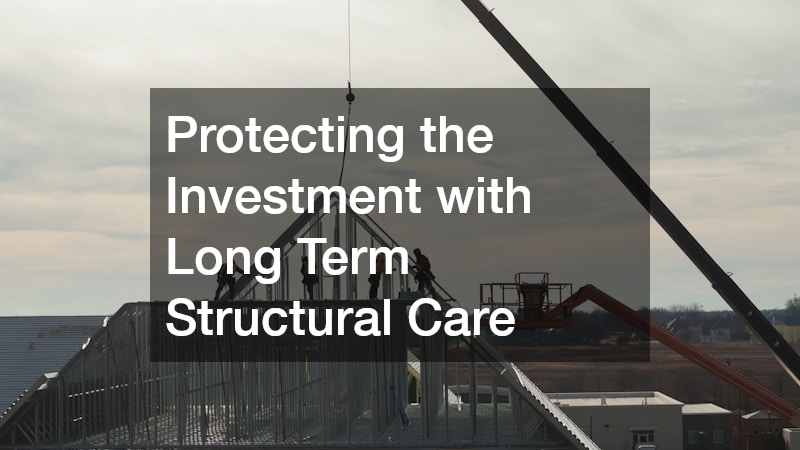
A facility of this scale represents a massive financial investment, and protecting that investment starts with the building envelope itself. Because these structures often cover the equivalent of dozens of football fields under one roof, choosing the right commercial roofing contractor during construction and for ongoing maintenance is critical to preventing leaks, energy loss, and structural damage over time. Roofing systems on these buildings must also support solar panel installations in many cases, since manufacturers increasingly aim to offset a portion of their energy usage through on-site renewable generation.
Routine roof inspections become part of the standard maintenance calendar once the facility is operational, since even small issues can lead to expensive production downtime if water damage affects sensitive equipment below. Facility managers typically schedule these inspections seasonally to catch problems before they escalate.
Specialty Fabrication Supporting Vehicle Production
Not everything inside an EV factory comes from standardized assembly lines. Prototype development, specialty tooling, and low-volume component runs often require custom car welding work performed by skilled fabricators who can adapt quickly to design changes. This kind of specialized labor is essential during the early production ramp-up phase, when engineering teams are still fine-tuning designs before full-scale automation takes over.
These fabrication teams also support the maintenance of existing equipment, repairing or modifying fixtures that keep the production line running smoothly. Their work rarely gets public attention, but it plays a quiet, essential role in keeping these massive facilities operational day to day.
What Expansion Means for Property Owners Nearby

For homeowners living near a new or expanding EV facility, the most immediate concern is usually how the project affects local property values. In many cases, values rise as new jobs bring more residents and demand for housing increases, but the effect can vary significantly depending on proximity to noise, traffic, and industrial zoning changes. Some property owners facing unique valuation questions, particularly those with larger parcels or unconventional land use, have turned to helicopter appraisals to get an accurate aerial assessment of how nearby development has changed their land’s boundaries and value.
It is worth monitoring local zoning meetings and public records during the early stages of any factory announcement, since these documents often reveal planned road expansions, utility upgrades, or buffer zones that will directly affect nearby properties. Staying informed early gives homeowners more leverage when negotiating property taxes or planning any future sale.
- Check county zoning boards for updated land use maps near the project site
- Ask local real estate agents about recent sale trends within a five mile radius
- Review environmental impact reports for noise and traffic projections
- Consider professional appraisal services if your property has unique features affected by nearby development
Electric vehicle factory expansions bring sweeping changes to the regions that host them, from construction logistics to long-term shifts in property values and community identity. Whether you are a homeowner near a new site or simply trying to understand how these projects reshape local economies, staying informed puts you in a stronger position to adapt. Keep an eye on local planning meetings, talk to neighbors who may have insight into upcoming changes, and consider consulting local professionals if you need help assessing how these developments affect your own property. The more you understand about the process, the better equipped you will be to make confident decisions as your community continues to grow.