Capturing your pet’s paw print is a meaningful way to celebrate the bond you share. Whether you want a keepsake to mark a special moment, a memorial to honor a beloved companion, or a creative piece of home décor, a paw print can hold deep sentimental value. While the idea sounds simple, getting a clean, detailed impression can be trickier than expected—especially with a wiggly or curious pet. With the right preparation and approach, you can create a perfect paw print that lasts a lifetime.
Why Paw Prints Are So Special
A paw print is more than just an imprint—it’s a snapshot of your pet at a specific moment in time. Unlike photos, which capture appearance, a paw print preserves a physical detail unique to your pet.
The size, shape, and tiny lines in their paw pads make each print one of a kind. Many pet owners choose to frame paw prints, include them in scrapbooks, or turn them into ornaments or wall art. Others find comfort in having a tangible reminder of a pet who has passed.
Choosing the Right Materials
The first step to success is choosing the right materials. Using a dedicated paw print kit is highly recommended, especially for first-time attempts. These kits are designed specifically for pets and often include pet-safe clay, inkless imprint pads, or non-toxic inks. They also come with clear instructions and the right-sized surface to capture the print accurately.
When selecting a kit, consider your pet’s size and temperament. Larger pets may need a bigger surface area, while kittens and puppies benefit from softer, more forgiving materials. Make sure the kit clearly states that all materials are safe for animal use.
Preparing Your Pet for the Process
Preparation plays a major role in achieving a clean paw print. Choose a calm time of day when your pet is relaxed, such as after a walk or meal. Avoid trying to capture a print when your pet is energetic or distracted.
Before starting, gently clean your pet’s paw with a damp cloth to remove dirt, debris, or oils. Dry the paw thoroughly, as moisture can blur the impression. If your pet is nervous, spend a few minutes handling their paw beforehand so the process feels familiar and non-threatening.
Setting Up Your Space
Create a quiet, comfortable environment where you can focus without interruptions. Place all materials within reach before bringing your pet over. If you’re using clay or ink, make sure the surface is stable and level. Laying down a towel underneath can help protect floors and keep your pet comfortable.
It’s also helpful to have treats nearby. Positive reinforcement can make a big difference, especially if your pet is unsure about having their paw pressed onto a surface.
Making the Paw Print
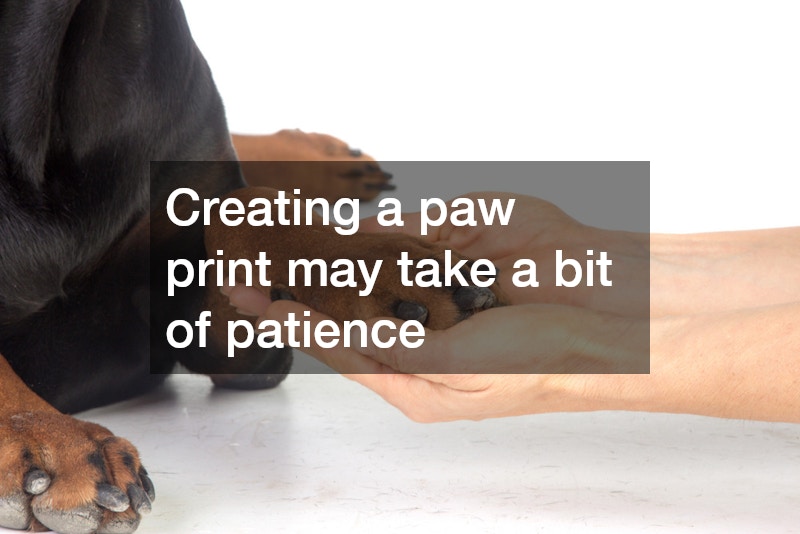
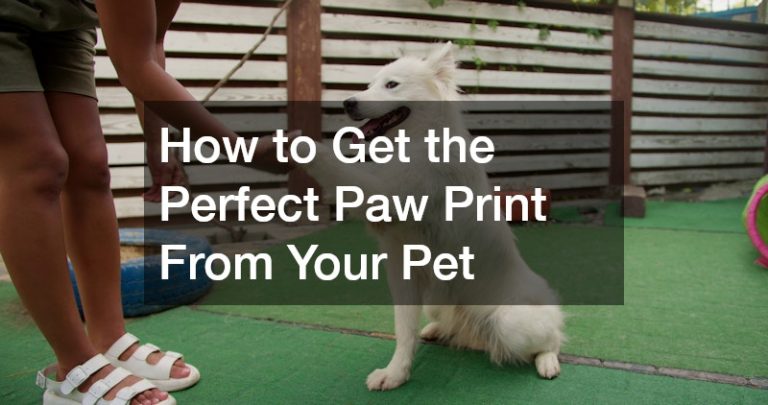
When you’re ready, gently but firmly guide your pet’s paw onto the surface of the paw print kit. Avoid pushing too hard, as this can cause the paw to spread unnaturally or distort the shape. Instead, apply even pressure for a second or two, ensuring all paw pads make contact.
Lift the paw straight up rather than sliding it away, which helps prevent smudging. If the print isn’t perfect, don’t worry—many kits allow multiple attempts. Take your time and stay patient, as your pet will pick up on your energy.
Common Mistakes to Avoid
One common mistake is rushing the process. Trying to force a paw print when your pet isn’t cooperative often leads to messy results and stress for both of you. Another issue is using too much pressure, which can flatten details and create an uneven impression.
Skipping the cleaning step is also a frequent problem. Even small amounts of dirt or fur can affect the clarity of the print. Taking a few extra minutes to prepare can make a noticeable difference in the final result.
Preserving and Displaying the Paw Print
Once you’ve captured the perfect print, follow the kit’s instructions for drying or curing. This step is essential for preserving details and preventing cracks or fading. After it’s fully set, you can frame the paw print, add your pet’s name and date, or incorporate it into a larger display.
Many pet owners choose to revisit the process over time, using another paw print kit to document how their pet grows or changes. This creates a meaningful collection that tells a story across the years.
A Keepsake You’ll Treasure Forever
Creating a paw print may take a bit of patience, but the result is well worth the effort. With the right materials, a calm approach, and thoughtful preparation, you can capture a beautiful, detailed impression that reflects your pet’s unique presence. Whether it’s for celebration or remembrance, a perfect paw print is a heartfelt keepsake you’ll cherish for years to come.