Key Takeaways:
- Layered safety features work best together. The 2026 IIHS and Highway Loss Data Institute study linked basic driver assistance bundles to a 13 percent drop in property damage claims, while the most comprehensive bundle was linked to a 39 percent drop.
- Automatic emergency braking and rear alerts deliver standout benefits. Front braking with pedestrian detection, rear braking, and the blind spot plus rear cross traffic pairing were tied to some of the biggest reductions in claims.
- Read the research with a grain of salt. The study covered one automaker, and the 21 percent drop in bodily injury claims for the top bundle was not statistically significant. Remaining crashes may also cost more to fix because sensors are expensive to replace.
- Fatigue is still the biggest human weak spot. The 2026 AAA Foundation survey found that about 95 percent of drivers call drowsy driving dangerous, yet roughly 20 percent admitted to doing it in the past 30 days.
- Comfort features are not a substitute for attention or rest. Adaptive cruise control and lane centering can reduce highway stress, but they should never replace alert driving or a good night’s sleep.
- Use your car’s alerts instead of silencing them. Driver attention warnings, tire pressure alerts, and dashboard service lights are early signals that can prevent a bigger problem down the road.
- A quick pre-trip check goes a long way. Cleaning sensors and the windshield, confirming safety features are turned on, checking tires, and planning rest stops and driver swaps make your car’s technology far more effective.
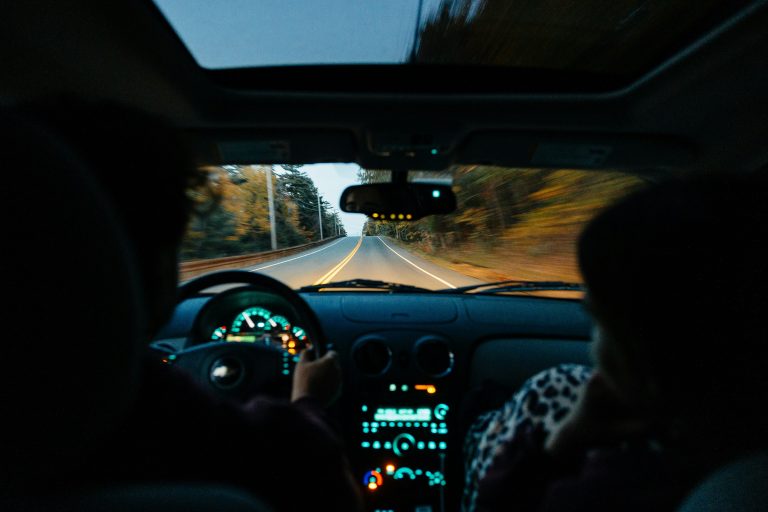
Anyone who has driven eight hours straight knows the feeling. Somewhere around hour five the highway turns into a gray blur, your shoulders creep up toward your ears, and every truck merging into your lane feels personal. Long road trips are great, but they ask a lot of both you and your vehicle.
The good news is that today’s car safety features do a lot of quiet work in the background. Cameras, radar units, and sensors keep watch over the road, the vehicles around you, and sometimes even you. This article leans on two fresh 2026 data points to separate real benefits from marketing hype. The first comes from the Insurance Institute for Highway Safety (IIHS) and its Highway Loss Data Institute, which studied insurance claims on vehicles equipped with driver assistance technology. The second comes from the AAA Foundation for Traffic Safety, whose latest survey shows how often ordinary drivers get behind the wheel while exhausted. Together, they paint a clear picture of what your next trip actually needs.
Why Long Road Trips Raise the Stakes

A commute is familiar. You know the lanes, the merges, and the one intersection where people always run the yellow. A road trip throws all of that out. You’re on unfamiliar highways, dealing with heavy traffic near big cities, driving at night to “beat the rush,” and often carrying a packed trunk, a few passengers, and a snack situation that needs constant management. For families, outdoor enthusiasts, and weekend adventurers, that’s exactly why vehicle solutions for active lifestyles need to include smart safety technology and not just extra cargo space.
More hours behind the wheel also means more chances for something to go wrong. Even a great driver has a bad ten seconds eventually. That’s why the two data points in this article work well as a pair. The IIHS research shows that technology can meaningfully cut crash claims when it’s well designed and layered together. The AAA Foundation research shows that the human side of the equation, especially tiredness, is still a stubborn problem. Technology can cover for a lapse, but it works best when the driver is rested enough to make fewer lapses in the first place.
What the 2026 IIHS Study Found
In March 2026, IIHS and the Highway Loss Data Institute published findings on advanced driver assistance systems offered on 2015 through 2023 Mazda vehicles. You can read the institute’s overview on the IIHS advanced driver assistance page. The researchers compared six feature bundles and several standalone systems, then looked at how often insured owners filed two kinds of claims: property damage liability (damage you cause to someone else’s stuff) and bodily injury liability (injuries you cause to other people).
Here are the headline results, in plain English:
- The most basic bundle was linked to a 13 percent drop in property damage liability claim rates and a 9 percent drop in bodily injury liability claim rates.
- The most comprehensive bundle was linked to a 39 percent drop in property damage claims and a 21 percent drop in injury claims.
- Blind spot detection paired with rear cross traffic alert was associated with roughly a 10 percent drop in property damage claim frequency and a 13 percent drop in bodily injury claim frequency.
- The biggest gains appeared to come from front automatic emergency braking with pedestrian detection and from rear automatic emergency braking.
The pattern matters more than any single number. More layers of protection generally meant fewer claims. Think of it like wearing a seatbelt, driving a car with good brakes, and keeping a safe following distance all at once. Each habit helps, and together they help a lot more.
How to Read Those Numbers Like a Skeptic
Before you start shopping for a new car based on one percentage, it’s worth stepping back. This study looked at insurance claims on one automaker’s vehicles, so the results won’t map perfectly onto every brand. According to the manufacturer’s own summary of the research, the 21 percent reduction in bodily injury claims for the top bundle was not statistically significant, which is a polite way of saying researchers can’t be fully confident it wasn’t a fluke. The property damage result and the pattern across bundles are much stronger evidence.
There’s also a catch that road trippers should know about. Claims that do still happen can cost more, partly because sensors and related components are expensive to replace, and partly because these systems mostly prevent slower, cheaper crashes. In other words, the technology is quietly removing the minor fender benders, so the accidents that remain tend to be pricier. That’s not a reason to skip the features. It’s a reason to know that a cracked bumper sensor or a damaged camera can turn a small repair bill into a bigger one.
Finally, claims data generally can’t tell researchers whether a driver had a feature switched on, annoyed by a beep, or turned off. Keep that in mind when we get to the section on common mistakes.
Automatic Emergency Braking Is Your Highway Backup
If you only remember one feature from this article, make it automatic emergency braking, often called AEB. It uses cameras and radar to watch the road ahead, warns you if you’re closing in on something too fast, and hits the brakes if you don’t react. Given the IIHS finding that front and rear AEB produced some of the largest benefits, it earns its spot at the top of the list.
On a road trip, AEB shines in situations that feel boring until they aren’t. Think of a long stretch of highway where traffic suddenly stacks up at a construction zone, or a drive-through town where someone steps off the curb without looking. Fatigue and glare can slow your reaction by a fraction of a second, and AEB can use that fraction to shave off speed before impact. Lower impact speed means less damage and fewer injuries.
A few practical tips:
- Check your owner’s manual to learn at what speeds your system works, since some are tuned mostly for city driving.
- Keep your windshield and front sensors clean, especially after driving through bugs, mud, or snow.
- Don’t tailgate on purpose just because you know the car will help. It’s a backup, not a plan.
Blind Spot Monitoring and Rear Cross Traffic Alert for Busy Lanes and Rest Stops
Road trips are full of lane changes. You pass slow trucks, move over for exits, and merge back in after a pit stop. Blind spot monitoring uses sensors in the rear bumper to detect vehicles hiding beside you and lights up a small indicator in your mirror. Rear cross traffic alert uses the same sensors to warn you about vehicles approaching from the side when you back up.
That second one is a hidden hero at gas stations, hotel parking lots, and crowded rest areas. These places are full of tired drivers, kids running around, and cars backing out blindly. The IIHS data points to a real payoff for this pairing, with the combination associated with nearly a 10 percent reduction in property damage claim frequency and a 13 percent reduction in bodily injury claim frequency. That’s a solid return for a feature most people only notice when it beeps.
Still, treat the light as a second opinion, not a replacement for a quick shoulder check. Fast-approaching vehicles can show up in your blind spot quicker than a sensor can warn you, so the old-school habit still earns its keep.
Adaptive Cruise Control and Lane Centering Take the Edge Off
Adaptive cruise control keeps a set following distance from the vehicle ahead, slowing down and speeding up on its own. Lane centering gently nudges the steering to keep you in the middle of your lane. On a steady highway, together they remove a lot of the constant tiny corrections that make long drives so draining.
Consumer testing has long suggested these systems are most useful on long highway drives and in slow traffic jams, where they can reduce fatigue and stress. They tend to be less helpful on narrow, curvy roads or around pedestrians. That matches real life. Cruising across a flat interstate with the system handling speed? Fantastic. Winding through a mountain pass? You want your hands and brain fully in charge.
One important point: the IIHS has previously found little evidence that partial automation by itself prevents crashes beyond what crash avoidance features like AEB already do. So think of adaptive cruise and lane centering as comfort tools. They make the drive feel easier, which helps you arrive less wiped out, but they aren’t an excuse to look at your phone.
What the AAA Foundation Says About Tired Drivers
Now for the second data point, which is a little more sobering. In June 2026, the AAA Foundation for Traffic Safety released its 2025 Traffic Safety Culture Index, based on a nationally representative survey of about 2,700 licensed U.S. drivers conducted in mid-2025.
The drowsy driving numbers deserve a close look:
- About 95 percent of drivers said driving while so tired they can barely keep their eyes open is very or extremely dangerous.
- Roughly 98 percent said the people who matter to them would disapprove of it.
- Yet around 20 percent admitted they had done exactly that at least once in the previous 30 days.
- Only about a quarter believed police would be likely to catch them for it.
Read that again. Almost everyone agrees it’s a terrible idea, and one in five did it anyway within a single month. That gap between what we believe and what we actually do is the real story. It’s also worth noting the report found that drivers dealing with higher social stress were more likely to report drowsy driving, which tracks with real life. Stressful weeks lead to short nights, and short nights lead to long, groggy drives.
Why Fatigue Hits Harder on Long Drives
Road trips create the perfect recipe for sleepy driving. You wake up early to “beat traffic,” skip a proper night’s sleep before leaving, and then settle into a monotonous highway where nothing much happens. A warm cabin, a gentle hum from the tires, and a stretch of identical scenery can make your brain quietly power down.
The AAA numbers also show a classic blind spot in how we see ourselves. In the same survey, about 78 percent of drivers rated themselves as safer than other drivers, and only 1 percent said they were less safe. Most of us assume the tired-driver problem belongs to someone else. That overconfidence is why fatigue sneaks up on people. You don’t feel dangerous. You just feel a little heavy-eyed, then your eyes close for a second, and a second at highway speed covers a lot of ground.
The IIHS data and the AAA data fit together here. Driver assistance can reduce the damage from a lapse in attention. It cannot fix the fact that a drowsy brain makes more lapses. The best strategy combines both: let the tech act as a safety net, and make sure you’re not the one asking the net to catch you every five minutes.
Driver Monitoring and Break Reminders Worth Using
Plenty of newer vehicles now include features designed specifically for the tired-driver problem. Driver attention monitoring watches for signs like drifting within the lane, jerky steering corrections, or, in some cars, a camera pointed at your face that tracks eye closure and head position. If the system suspects you’re fading, it flashes a coffee cup icon or sounds a chime suggesting a break.
These alerts can feel annoying, especially when you think you’re fine. Resist the urge to disable them. Given that one in five drivers in the AAA survey admitted to pushing through serious tiredness, a nudge that tells you to stop can be genuinely useful. A few ways to get more from the feature:
- Pair the alert with a plan. When it goes off, pull into the next rest area instead of waiting for the next one.
- Set trip reminders on your navigation app for a short stop every couple of hours.
- Swap drivers if you can. A fresh person behind the wheel beats any dashboard icon.
- Take a short nap of about twenty minutes in a safe, parked spot if you feel yourself fading.
Coffee helps a little, but it takes a while to kick in and doesn’t replace actual rest. The dashboard alert is a clue that your body has already made a decision.
Seeing Better at Night and in Bad Weather
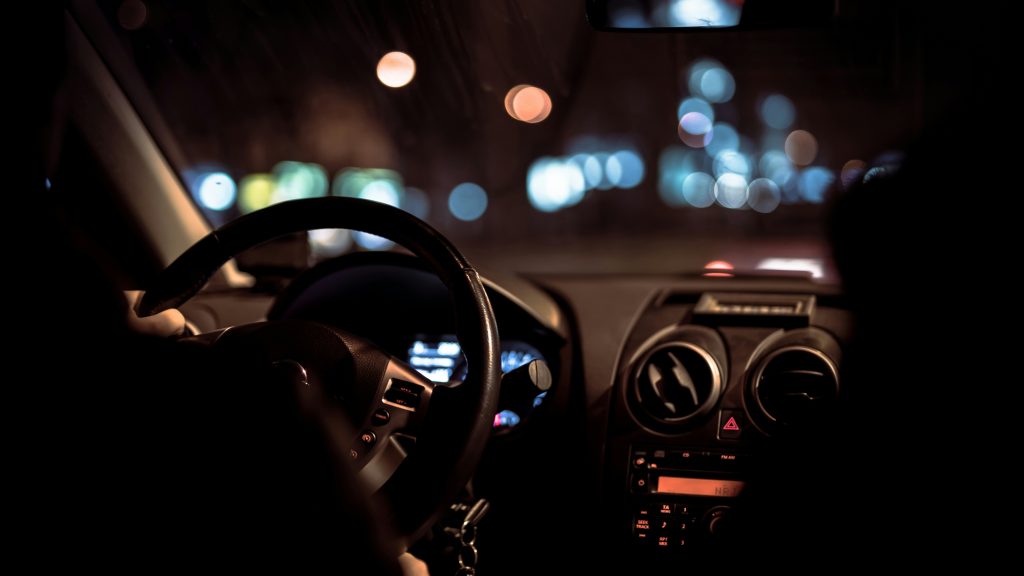
Visibility is a big deal on road trips, because you’re likely to drive at dusk, in rain, or on dark country roads. Several features work together here. Automatic high beams switch between high and low settings so you don’t have to fiddle with the stalk when oncoming cars appear. Curve-adaptive headlights swivel with your steering so the beam follows the bend. Rain-sensing wipers and defoggers react to conditions before your vision gets bad. Head-up displays project your speed and navigation onto the windshield so your eyes stay closer to the road.
None of this works without clear glass. Windshields have quietly become one of the smartest parts of the car, and modern auto glass safety technology is a big reason camera-based features like lane centering and emergency braking can see properly in the first place. Many windshields now include special coatings, sensor mounting zones, rain detection areas, and layers that reduce noise and glare. If you ever replace one, make sure the shop recalibrates the forward-facing camera afterward. A slightly misaligned camera can misjudge distances or lanes, and that undermines the very features you’re counting on.
Quick visibility habits that pay off:
- Clean the inside of the windshield, too. Haze from interior plastics can cause glare at night.
- Replace worn wiper blades before a trip, not during a storm.
- Fix small chips early, since they can spread and interfere with sensors.
Mechanical Health Alerts That Keep You Rolling
A breakdown on a lonely highway is stressful and, depending on the shoulder, risky. Newer cars are better at warning you early. Tire pressure monitoring tells you when a tire is losing air before it becomes a blowout. Battery and charging system alerts catch electrical problems. Service reminders flag overdue maintenance.
Even the check engine light has become more useful. Today’s modern emissions systems rely on a web of oxygen sensors, temperature sensors, and filters that constantly monitor how the engine burns fuel, which means they often flag a misfire or fuel mixture problem before it turns into a stranded-on-the-shoulder situation. If a warning appears before you leave, get it looked at. If one appears mid-trip, check the owner’s manual to see whether it’s a “drive carefully to the next town” light or a “pull over now” light.
For electric and hybrid vehicles, the equivalent habit is checking charging stops and range before you go, then building in a buffer. Range anxiety is a stress problem, and a little planning solves most of it.
A Simple Pre-Trip Tech Checklist
You don’t need to become a car engineer to get the most out of your safety features. A ten-minute check before leaving covers most of it:
- Read the safety features section of your manual so you know what each icon means.
- Clean the windshield, the front grille area, and the rear bumper where sensors sit.
- Confirm that lane assist, emergency braking, and blind spot alerts are turned on in your settings.
- Check tire pressure and tread, including the spare if you have one.
- Adjust your mirrors and seat before you start, not while moving.
- Pre-load your navigation and pick rest stops in advance so you aren’t deciding while tired.
- Agree on a driver swap plan with your passengers.
It sounds like a lot, but it takes less time than finding a decent playlist.
Common Mistakes Drivers Make With Safety Tech
Even great technology can backfire when people misuse it. Watch out for these common slip-ups:
- Turning features off because the beeps are annoying. Adjust the sensitivity instead of disabling them entirely.
- Over-trusting lane centering and looking away from the road. These systems can disengage suddenly when markings fade or weather turns bad.
- Ignoring maintenance on sensors. A dirty or damaged sensor can switch a feature off without much fanfare.
- Assuming every car works the same. Systems vary by brand and model year, so don’t assume your rental behaves like your own car.
- Using the tech as a replacement for rest. The AAA data is a reminder that tiredness is a human problem first.
Final Thoughts
Long road trips don’t have to feel like endurance tests. The 2026 IIHS research shows that layered driver assistance features are linked to fewer insurance claims, especially when automatic braking, blind spot detection, and rear cross traffic alerts are working together. The 2026 AAA Foundation survey shows that the biggest remaining risk is still the person behind the wheel, with one in five drivers admitting to driving while dangerously sleepy in just the past month.
The smartest approach is to treat your car’s technology as a teammate. Learn what it does, keep it clean and switched on, and let it catch mistakes you hope never to make. Then do your part by sleeping well, planning breaks, and handing over the keys when you’re fading. Do that, and your next road trip should be a lot more about the scenery and a lot less about white-knuckling the steering wheel.