Introduction
Modern healthcare is no longer limited to treating illness after it appears. Today’s medical approach emphasizes prevention, early diagnosis, rehabilitation, and specialized treatments that help individuals maintain a higher quality of life. With advances in medical technology and growing awareness about long-term wellness, people now have access to a wide range of services designed to support health at every stage of life.
Understanding how different medical services work together can make it easier to navigate the healthcare system. Preventive care helps identify potential health concerns before they develop into serious conditions. Rehabilitation services restore mobility and function after injuries or surgeries. Specialized treatments address specific concerns such as hormonal imbalances, circulation issues, or aesthetic improvements. When these services are coordinated effectively, patients benefit from a more comprehensive and proactive approach to health.
Many individuals feel overwhelmed when deciding which healthcare provider to see or what type of treatment may be appropriate for their situation. Knowing the purpose of various medical services can help patients make more informed decisions about their care. Whether someone is managing chronic conditions, recovering from an injury, or simply maintaining routine wellness visits, each service plays an important role in promoting long-term well-being.
This guide explores several essential aspects of medical care, including preventive medicine, rehabilitation, specialized treatments, and compassionate support services. By learning how these services function and when to seek professional assistance, patients and families can take greater control of their healthcare journeys and build stronger foundations for lifelong health.
Building a Strong Preventive Care Foundation
Preventive healthcare forms the backbone of long-term wellness. Instead of waiting for symptoms to appear, preventive medicine focuses on identifying potential risks early and addressing them before they become serious medical problems. Regular medical checkups, screenings, and vaccinations help detect conditions in their earliest stages, when treatment is often more effective and less invasive.
Families often begin their preventive healthcare journey by establishing relationships with trusted medical providers. For children and adolescents, a pediatrician plays a critical role in monitoring development, administering vaccines, and identifying early signs of health concerns. Routine pediatric visits also provide parents with valuable guidance regarding nutrition, growth milestones, and emotional development.
Preventive care extends well beyond childhood. Adults benefit from regular health assessments that track vital indicators such as blood pressure, cholesterol levels, and metabolic health. These evaluations help identify issues like heart disease, diabetes, and other chronic conditions before symptoms appear.
Another important component of preventive care involves knowing when to seek immediate medical attention. While routine visits can address most health concerns, certain situations require prompt evaluation. In cases of sudden illness or minor injuries that cannot wait for a scheduled appointment, urgent care centers provide convenient access to medical professionals who can assess symptoms and provide timely treatment.
Preventive healthcare strategies often include:
-
Annual wellness exams
-
Blood pressure and cholesterol screenings
-
Vaccinations and booster shots
-
Nutritional and lifestyle counseling
-
Mental health evaluations
Taking advantage of preventive services can significantly reduce long-term healthcare costs and improve overall quality of life. Patients who maintain regular medical appointments are more likely to catch problems early, manage chronic conditions effectively, and maintain healthier lifestyles.
Protecting Long-Term Eye Health Through Routine Monitoring
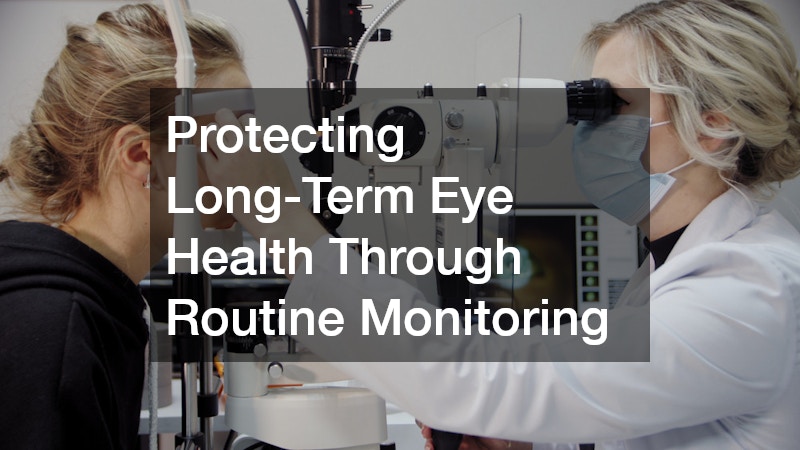
Vision is one of the most essential aspects of daily life, yet eye health is often overlooked until problems begin to interfere with routine activities. Regular eye examinations are critical for maintaining healthy vision and identifying early signs of disease. Many conditions affecting the eyes develop gradually, and early detection can make a significant difference in treatment outcomes.
Routine vision care involves comprehensive eye exams that evaluate not only visual acuity but also the health of internal eye structures. During these exams, eye specialists may detect conditions such as glaucoma, cataracts, macular degeneration, and diabetic retinopathy. Many of these issues develop slowly and may not cause noticeable symptoms in their early stages.
Certain lifestyle factors can also affect eye health. Prolonged exposure to digital screens, poor lighting conditions, and inadequate sleep may contribute to eye strain and fatigue. Practicing healthy visual habits can help reduce discomfort and protect long-term vision.
Helpful strategies for maintaining eye health include:
-
Following the 20-20-20 rule when using digital devices
-
Wearing protective eyewear during sports or hazardous activities
-
Maintaining balanced nutrition that includes eye-supporting vitamins
-
Protecting eyes from ultraviolet exposure with sunglasses
Routine exams also play a key role in monitoring changes associated with aging. As individuals grow older, they may experience gradual shifts in visual clarity, depth perception, and light sensitivity. Regular monitoring allows eye specialists to recommend corrective lenses or treatments that help patients maintain independence and quality of life.
In many cases, eye examinations reveal signs of broader health conditions such as hypertension or diabetes. Because the blood vessels in the eyes are easily visible during exams, eye specialists may detect systemic health concerns before symptoms appear elsewhere in the body.
By prioritizing regular eye exams and healthy visual habits, patients can preserve vision, detect potential medical conditions early, and reduce the likelihood of long-term complications.
Supporting Recovery After Injury or Surgery
Recovering from injury or surgery often requires more than rest alone. Structured rehabilitation programs help patients rebuild strength, restore movement, and prevent long-term complications. Professional guidance during recovery ensures that healing occurs safely and effectively while minimizing the risk of reinjury.
A physical therapy service focuses on improving mobility, reducing pain, and strengthening muscles that support injured areas. Therapists evaluate each patient’s condition and design personalized treatment plans that address specific needs. These plans may include targeted exercises, manual therapy techniques, and mobility training.
Common conditions that benefit from rehabilitation programs include:
-
Sports injuries
-
Joint replacements
-
Spinal injuries
-
Post-surgical recovery
-
Chronic musculoskeletal pain
In many cases, patients rely on orthopedic braces to stabilize joints and provide support during the healing process. Braces help limit harmful movements, reduce strain on injured tissues, and encourage proper alignment while patients regain strength. These supportive devices can be particularly helpful for individuals recovering from ligament injuries, fractures, or joint surgeries.
Rehabilitation programs often progress gradually through several stages. Early sessions focus on reducing inflammation and restoring basic mobility. As healing continues, therapists introduce strengthening exercises and functional movements designed to prepare patients for daily activities.
Benefits of structured rehabilitation include:
-
Faster recovery timelines
-
Improved joint stability
-
Reduced pain and inflammation
-
Enhanced balance and coordination
-
Lower risk of future injuries
Active participation is key to successful recovery. Patients who follow exercise recommendations, attend scheduled therapy sessions, and maintain open communication with their healthcare providers often experience better outcomes. By combining professional guidance with personal commitment, individuals can regain independence and return to their normal routines more confidently.
Restoring Strength, Mobility, and Independence
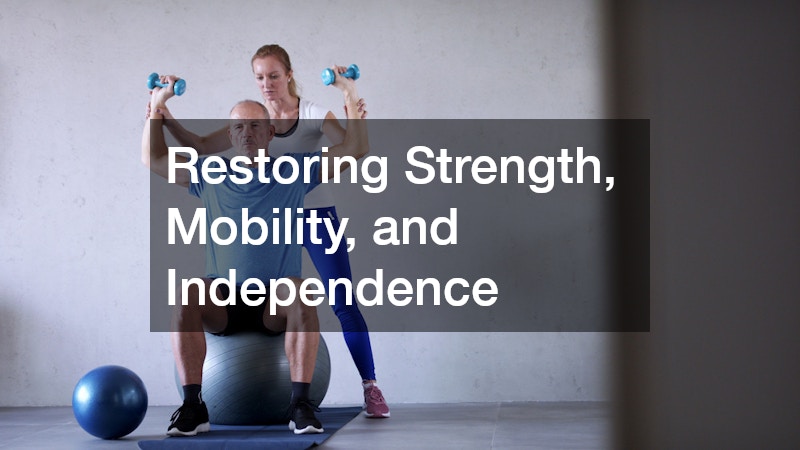
While many rehabilitation programs focus on short-term recovery after injury, some individuals require more comprehensive programs to address chronic conditions or long-term physical limitations. These extended programs often involve a physical rehabilitation service that helps patients rebuild strength, coordination, and functional independence.
Comprehensive rehabilitation programs are designed to address a wide variety of health concerns. Individuals recovering from neurological injuries, strokes, or severe trauma may require specialized therapy plans that integrate multiple treatment approaches. These programs often involve collaboration between physicians, therapists, and other healthcare professionals to ensure well-rounded care.
Patients who participate in structured rehabilitation programs often work toward several key goals:
-
Restoring the ability to perform daily tasks
-
Improving muscle strength and flexibility
-
Enhancing balance and coordination
-
Reducing long-term pain or discomfort
-
Increasing endurance and mobility
In addition to exercise-based therapies, many rehabilitation programs incorporate educational components that teach patients how to protect their bodies and avoid future injuries. Patients may learn proper posture techniques, ergonomic strategies for workplace environments, and safe methods for lifting or carrying objects.
Another critical aspect of rehabilitation involves mental and emotional support. Recovering from significant injuries or chronic illnesses can be challenging, both physically and psychologically. Rehabilitation professionals often help patients set realistic goals and celebrate small milestones throughout the recovery process.
Long-term rehabilitation requires patience and consistency. Progress may occur gradually, but steady improvements over time can lead to meaningful changes in mobility and independence. By committing to structured therapy programs and maintaining healthy habits, many individuals successfully regain control over their physical well-being.
Managing Circulation and Vascular Health
Healthy circulation plays a vital role in maintaining overall wellness. The circulatory system delivers oxygen and nutrients throughout the body while removing waste products from tissues. When circulation becomes impaired, individuals may experience discomfort, swelling, or more serious health complications.
One common vascular concern involves enlarged or twisted veins that develop when blood flow becomes inefficient. Many patients seek medical assistance for varicose vein treatment when symptoms such as aching, swelling, or heaviness in the legs begin to interfere with daily life.
Several factors may contribute to vascular problems, including:
-
Prolonged periods of standing or sitting
-
Genetic predisposition
-
Hormonal changes
-
Obesity
-
Aging
Modern medical advancements have made treatment options more accessible and less invasive than in previous decades. Many procedures can now be performed on an outpatient basis with minimal recovery time.
Lifestyle modifications also play an important role in maintaining healthy circulation. Patients who incorporate regular physical activity, maintain healthy body weight, and avoid prolonged inactivity often experience improved vascular function.
Helpful strategies for supporting circulation include:
-
Walking or exercising regularly
-
Elevating legs during rest
-
Wearing compression garments when recommended
-
Staying hydrated and maintaining balanced nutrition
Seeking professional evaluation at the first sign of persistent discomfort allows healthcare providers to identify underlying issues and recommend appropriate treatments. Early intervention often prevents more serious complications and improves overall quality of life.
Improving Comfort and Confidence Through Specialized Care

Medical care often focuses on treating illness or restoring physical function, but many services also aim to improve confidence and personal comfort. Advances in minimally invasive cosmetic procedures allow patients to address aesthetic concerns safely and effectively.
Among the most popular treatments are facial injections, which are used to soften wrinkles, restore lost volume, and enhance facial contours. These treatments typically involve carefully administered injectable substances that relax targeted muscles or add subtle volume beneath the skin.
Patients often pursue cosmetic procedures for a variety of reasons:
-
Reducing visible signs of aging
-
Enhancing facial symmetry
-
Improving skin texture and smoothness
-
Boosting self-confidence
Before undergoing any cosmetic procedure, it is essential to consult with experienced medical professionals who understand facial anatomy and proper injection techniques. Qualified practitioners evaluate each patient’s goals and medical history before recommending appropriate treatment options.
Safety and realistic expectations are key components of successful cosmetic care. Patients should be aware that results may vary depending on factors such as skin condition, age, and overall health. In many cases, gradual improvements over several treatment sessions provide the most natural-looking outcomes.
Proper aftercare also plays an important role in achieving optimal results. Patients may receive guidance regarding temporary activity restrictions, skin care routines, and follow-up appointments to monitor progress.
By choosing reputable providers and maintaining realistic expectations, individuals can safely explore aesthetic treatments that enhance both appearance and confidence.
Addressing Hormonal Health and Age-Related Changes
Hormones influence numerous bodily functions, including metabolism, mood, sleep patterns, and reproductive health. As individuals age, natural hormonal fluctuations may lead to noticeable changes in energy levels, physical comfort, and emotional well-being.
Some individuals explore hormone replacement therapy as a medical option for managing symptoms related to hormonal imbalance. This treatment approach involves supplementing the body with hormones that may have declined due to aging or medical conditions.
Symptoms commonly associated with hormonal changes include:
-
Persistent fatigue
-
Mood swings or irritability
-
Difficulty sleeping
-
Decreased muscle mass
-
Changes in metabolism
Healthcare providers typically conduct comprehensive evaluations before recommending hormone-based treatments. Blood tests, medical history reviews, and symptom assessments help determine whether therapy may be appropriate for a patient’s situation.
Hormonal treatments are often most effective when combined with healthy lifestyle habits. Patients are frequently encouraged to adopt supportive strategies such as:
-
Maintaining balanced nutrition
-
Exercising regularly
-
Managing stress levels
-
Establishing consistent sleep routines
Regular monitoring ensures that treatments remain safe and effective. Healthcare providers may adjust dosage levels over time based on patient response and laboratory results.
By addressing hormonal imbalances with medical guidance and healthy habits, individuals can often restore energy levels, improve overall wellness, and enhance their quality of life.
Providing Compassionate Care for Advanced Illness
When individuals face serious or life-limiting illnesses, medical care often shifts toward comfort, dignity, and emotional support. In these situations, hospice services provide compassionate assistance that prioritizes quality of life for both patients and their families.
Hospice care focuses on managing symptoms, reducing discomfort, and supporting emotional and spiritual needs during advanced stages of illness. Rather than pursuing aggressive curative treatments, hospice professionals help patients experience greater comfort and peace.
Hospice teams typically include a variety of professionals who work together to provide comprehensive care:
-
Physicians and nurses
-
Social workers and counselors
-
Spiritual advisors
-
Trained volunteers
-
Home health aides
These professionals support patients in familiar environments, often within their own homes, where they can remain surrounded by loved ones. Services may include pain management, emotional counseling, and assistance with daily activities.
Families also benefit from hospice programs, which provide education, respite care, and grief support during difficult times. By addressing both medical and emotional needs, hospice professionals help families navigate challenging situations with greater understanding and compassion.
Early planning and open communication are essential components of effective end-of-life care. When patients and families discuss preferences in advance, healthcare providers can develop care plans that honor personal wishes and values.
Compassionate care ensures that individuals receive the dignity, comfort, and respect they deserve throughout every stage of life.
Navigating Healthcare Systems and Choosing the Right Providers

With so many healthcare options available today, choosing the right providers can sometimes feel overwhelming. Understanding how to evaluate medical professionals and healthcare facilities can help patients make confident decisions about their care.
Patients should begin by researching providers’ qualifications, certifications, and areas of expertise. Online reviews, referrals from trusted sources, and consultations can provide valuable insight into a provider’s approach to patient care.
Important factors to consider when selecting healthcare providers include:
-
Professional licensing and board certifications
-
Years of experience in specific treatments
-
Patient communication style
-
Availability of follow-up care
-
Insurance compatibility
Effective healthcare often involves collaboration between multiple specialists. Primary care physicians frequently coordinate treatment plans by referring patients to appropriate experts when necessary. Maintaining open communication among providers ensures that treatments are consistent and well-integrated.
Patients can also improve their healthcare experiences by preparing for appointments. Helpful preparation strategies include:
-
Writing down symptoms and questions in advance
-
Bringing a list of current medications
-
Taking notes during medical consultations
-
Requesting clear explanations of treatment options
Advocating for personal health needs empowers individuals to take a more active role in their medical care. Patients who ask questions, seek second opinions when necessary, and stay informed about treatment options often achieve better outcomes.
By building strong relationships with trusted healthcare providers, individuals can navigate the medical system more effectively and maintain greater control over their health.
Conclusion
Medical care encompasses far more than treating illness after it occurs. A comprehensive approach to healthcare includes preventive services, specialized treatments, rehabilitation programs, and compassionate support for individuals facing serious health challenges. Each component contributes to a broader strategy focused on long-term wellness and improved quality of life.
By understanding the roles of different medical services, patients can make more informed decisions about when to seek care and which professionals can best support their needs. Preventive checkups help identify risks early, rehabilitation services restore mobility after injury, and specialized treatments address specific health concerns that affect comfort and confidence.
Building strong relationships with healthcare providers, maintaining healthy lifestyle habits, and staying proactive about medical care are essential steps toward achieving lasting wellness. When individuals approach healthcare with knowledge and preparation, they are better equipped to manage challenges, recover from setbacks, and enjoy healthier lives for years to come.