Every driver understands that owning a vehicle is a major commitment. Beyond the initial purchase price, maintaining a car demands ongoing attention, time, and routine financial investment. Whether you commute daily through Fife, navigate tight urban streets, or take long weekend drives across regional highways, keeping your automobile safe and dependable requires a proactive approach. Proper vehicle management is not just about keeping the engine running; it involves protecting the exterior paint from harsh environmental elements, preserving interior comfort, ensuring structural integrity, and knowing exactly what steps to take if an unexpected collision occurs on the road.
Taking care of a car systematically prevents minor issues from snowballing into catastrophic mechanical failures. A well-maintained vehicle delivers better fuel efficiency, retains significantly higher resale value, and most importantly, minimizes the risk of sudden breakdowns that leave you stranded. By understanding how to handle routine mechanical upkeep, aesthetic protection, emergency preparation, and post-accident recovery, you can drive with complete confidence and peace of mind.
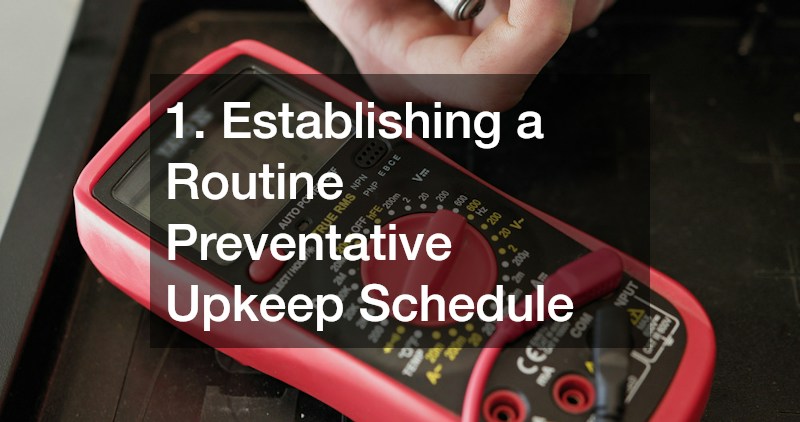
1. Establishing a Routine Preventative Upkeep Schedule
A vehicle relies on hundreds of moving parts working together in precise synchronization. Over time, friction, extreme heat, and age degrade internal fluids and mechanical components. Establishing a strict preventative maintenance schedule is the single most effective way to extend the lifespan of your engine, transmission, and braking systems.
Routine fluid care forms the core of mechanical prevention. Engine oil acts as a crucial lubricant and cooling agent, reducing friction between high-speed metallic components. Skipping oil changes allows sludge to build up, leading to overheating, accelerated wear, and potential engine seizure. Similarly, transmission fluid must be flushed or replaced according to manufacturer guidelines to keep gear shifts smooth and prevent costly internal damage. Brake fluid, coolant, and power steering fluid also demand regular inspection for fluid levels and contamination.
In addition to fluids, critical mechanical wear items require routine checks:
-
Engine and Cabin Filters: Clean air filters protect the intake system from dust and debris while maintaining optimal fuel combustion. Cabin air filters ensure clean air circulating inside the passenger compartment.
-
Belts and Hoses: Serpentine belts and radiator hoses endure intense heat cycles. Inspecting them regularly prevents sudden snapping that can cause severe engine overheating or loss of power steering.
-
Battery and Electrical Systems: Corrosion around battery terminals can prevent proper charging. Checking voltage levels annually helps avoid sudden battery failure during cold mornings.
Finding a dependable auto repair shop with certified technicians makes staying on top of these tasks seamless. When choosing a trusted facility, look for transparent diagnostic practices, clear estimates before work begins, and solid warranties on parts and labor. Relying on professional technicians for routine auto repairs ensures that subtle warning signs—like a faint squeal in the brakes or a slow engine crank—are diagnosed and fixed before they turn into major breakdowns.
2. Maintaining Tires, Wheels, and Suspension Upkeep
Tires are the only point of contact between your vehicle and the pavement. No matter how advanced your car’s braking system or stability control may be, your safety relies entirely on the surface area of four rubber patches touching the road. Inspecting, balancing, and rotating your tires regularly is essential for optimal grip and smooth vehicle handling.
Tire pressure directly influences fuel economy, tire longevity, and road safety. Underinflated tires generate excessive friction and internal heat, increasing the risk of a high-speed blowout, while overinflated tires reduce traction and cause uneven tread wear in the center of the tire. Drivers should check tire pressure at least once a month using a reliable digital gauge when the tires are cold.
Tread depth plays an equally vital role, particularly when navigating wet or slick roads where water evacuation is necessary to prevent hydroplaning. You can monitor tread wear using simple tools or visual indicators:
-
The Penny Test: Place a penny upside down into the shallowest tread groove. If Lincoln’s head is entirely visible, the tread depth has dropped below safe operational limits, and the tire must be replaced immediately.
-
Built-in Wear Bars: Modern tires feature horizontal rubber bars set within the grooves. When the surrounding tread wears down level with these bars, the tire has reached the end of its functional life.
-
Uneven Tread Patterns: Wear concentrated along the inner or outer edges often signals incorrect wheel alignment or worn suspension bushings that require prompt mechanical correction.
If you hit a pothole, run over a sharp curb, or pick up a nail in the tread, prompt local auto tire repair can save an otherwise healthy tire from permanent structural failure. Timely patching or plugging from an experienced technician restores proper pressure seals and structural integrity, preventing further degradation of the internal belt structure.
3. Ensuring Clear Visibility and Structural Glass Integrity
Clear visibility is non-negotiable for driver reaction times and overall road safety. Windshields, side windows, and side mirrors face constant exposure to flying road debris, gravel, changing weather, and extreme temperature fluctuations. Maintaining immaculate auto glass protects both your field of vision and your vehicle’s structural stability.
Many drivers treat a tiny windshield chip as a cosmetic nuisance, but even minor glass damage can compromise safety. Modern windshields are engineered as structural load-bearing components of the passenger cabin. In the event of a rollover accident, the windshield helps prevent the roof from crushing downward. Furthermore, front passenger airbags rely on the rigidity of the windshield to deploy properly toward the occupant.
Temperature shifts accelerate the spread of windshield damage. Using a defroster on a freezing morning or parking under intense sunlight creates thermal stress, causing a small chip to turn into a spiderweb crack across your sightline. Promptly utilizing professional auto glass repair services prevents cracks from expanding, saving you from having to purchase a complete windshield replacement. Specialized resin injected directly into small chips bonds the glass layers back together, restoring baseline strength and optical clarity.
4. Exterior Protection, Paint Care, and Interior Comfort
Protecting your vehicle’s exterior finish and interior cabin preserves both its appearance and long-term monetary value. Environmental hazards like road salt, industrial fallout, tree sap, bird droppings, and intense ultraviolet radiation constantly attack the clear coat layer of your paint. Without proper protective coatings, paint oxidizes, dulls, and allows moisture to reach raw metal, causing rust.
Maintaining the exterior requires a consistent washing and sealing routine. Washing your vehicle every two weeks removes corrosive buildup from lower body panels and wheel wells. Applying a quality synthetic wax, sealant, or ceramic coating twice a year creates a hydrophobic barrier that repels water and prevents contaminants from etching into the finish.
Interior protection is just as critical for driver comfort and cabin longevity. Direct sunlight damages leather seats, dries out vinyl trim, and cracks dashboard panels over time. Adding quality auto window tinting provides substantial interior benefits:
-
Solar Heat Reduction: High-grade film blocks infrared radiation, significantly lowering cabin temperatures during warm weather and reducing the load on your air conditioning system.
-
UV Protection: Quality tint filters out over 99 percent of harmful ultraviolet rays, safeguarding interior upholstery against fading and protecting occupants’ skin.
-
Glare Suppression: Reduced sun glare and headlamp blinding at night minimize eye strain, helping drivers stay focused during long trips.
Selecting the right film shade while abiding by local legal light-transmittance regulations ensures optimal cabin comfort without compromising night visibility or running afoul of traffic safety laws.
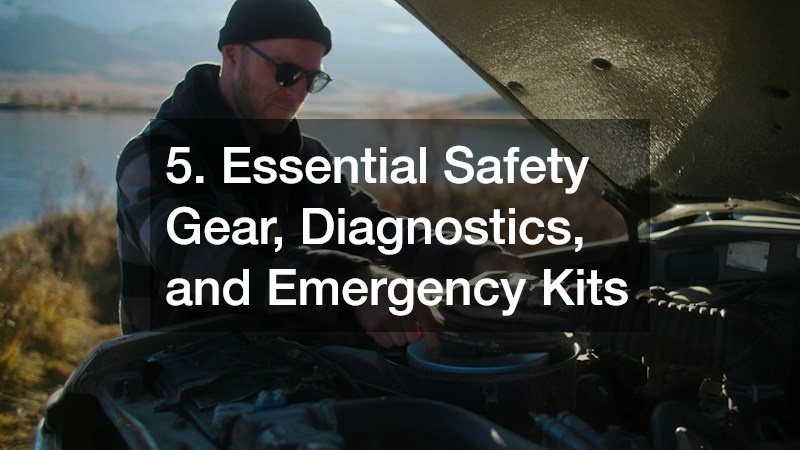
5. Essential Safety Gear, Diagnostics, and Emergency Kits
Even with flawless routine upkeep, unexpected road hazards, tire failures, or sudden electrical glitches can leave you stranded. Outfitting your vehicle with the right diagnostic tools, safety gear, and emergency supplies ensures you remain self-sufficient while waiting for roadside assistance.
Modern vehicles contain complex electrical networks monitored by onboard diagnostic systems. Keeping a basic diagnostic tool in your glove box allows you to check error codes when a dashboard warning light turns on. Knowing whether a glowing light indicates a loose gas cap or a critical engine misfire helps you decide whether to pull over safely or continue driving to a service facility.
To handle roadside emergencies effectively, build a comprehensive kit containing essential auto equipment. Key items to store securely in your trunk or cargo area include:
-
Portable Jump-Starter: Compact lithium-ion battery packs allow you to jump-start a dead battery independently without needing another vehicle.
-
Tire Inflator and Pressure Gauge: Portable 12-volt air compressors help top off underinflated tires or temporarily inflate a slow-leaking tire to reach a nearby repair bay.
-
Safety Lighting and Flares: LED flares, reflective triangles, and a high-lumen flashlight ensure high visibility if you are forced to stop on dark road shoulders.
-
First-Aid and Personal Essentials: Pack bandage supplies, thermal blankets, non-perishable snacks, fresh drinking water, and basic hand tools like pliers and screwdrivers.
Checking emergency supplies twice a year guarantees that battery power banks remain charged, flashlights function properly, and medical supplies stay fresh and ready for immediate use.
6. Restoring Structural Integrity and Cosmetic Damage After an Impact
Collisions occur in a fraction of a second, leaving drivers to manage physical vehicle damage ranging from minor fender scrapes to severe structural frame shifts. Restoring a damaged vehicle requires specialized tools, structural measuring equipment, and expert craft knowledge to return the car to factory safety specifications.
The repair process begins with a detailed teardown and diagnostic inspection. What appears to be a simple bumper dent often conceals crushed crash absorbers, bent mounting brackets, or damaged parking sensors beneath the outer plastic cover. Unibody frames must be precisely measured against original factory specifications using computerized laser systems to ensure the chassis aligns correctly.
To ensure your vehicle is safe to drive after a crash, look for a fully equipped auto body facility capable of handling complex repairs:
-
Frame Straightening: Hydraulic pulling equipment restores compromised structural rails to exact original dimensions.
-
Panel Replacement and Alignment: Damaged fenders, doors, or hoods are replaced or reshaped, ensuring tight door seals and uniform panel gaps.
-
Computerized Color Matching: Precise paint codes and digital spectrophotometers match fresh paint seamlessly with your vehicle’s existing clear coat finish.
Drivers have the legal right to select their preferred repair facility following an accident rather than using an insurer’s default network. Selecting certified specialists for local auto body repairs guarantees that technicians use genuine OEM parts, adhere to strict factory repair standards, and properly recalibrate onboard safety sensors before handing back your keys.
7. Navigating Post-Collision Rights and Personal Health Steps
Experiencing a sudden road collision is stressful, but remaining calm and taking the right steps immediately after an impact protects your health and legal rights. The immediate moments following a crash dictate how smoothly your medical recovery and financial claims proceed.
Your priority after an accident must always be physical safety. If possible, move vehicles out of active traffic lanes onto a shoulder, switch on hazard lights, and evaluate all occupants for injuries. Even in low-speed collisions, the violent forces exerted on the human body can cause hidden trauma. Conditions like whiplash, soft tissue damage, internal bleeding, or concussions often present delayed symptoms due to the shock and adrenaline produced during the event.
Seeking immediate medical evaluation ensures that any hidden auto accident injury is properly diagnosed, treated, and documented in official medical records. Detailed medical documentation creates a clear timeline connecting the crash directly to your physical injuries, preventing insurance adjusters from claiming your condition was pre-existing.
Dealing with insurance adjusters while trying to recover from physical injuries can quickly become overwhelming. Insurers often aim to minimize payouts by offering swift, low-ball settlements before the full cost of medical treatments and lost wages is known. Consulting with a dedicated auto accident lawyer ensures your rights are protected, all financial damages are accurately calculated, and you receive fair compensation for medical expenses, vehicle repairs, and ongoing rehabilitation.
Using This Guide for Vehicle Maintenance and Protection
Taking proper care of a vehicle requires a balanced approach that combines preventative maintenance, driver vigilance, aesthetic preservation, and post-accident preparedness. By establishing a routine schedule for mechanical service, monitoring tire wear, protecting exterior surfaces, and carrying essential emergency equipment, you minimize unexpected costs and keep your vehicle operating reliably for years to come.