Taking ownership of a commercial space is a major milestone for any entrepreneur. When a business owner steps into the world of franchising, this milestone comes with a unique set of expectations and standards. A new location must not only meet local building codes but must also align perfectly with the established brand identity. The process of taking over a property, often referred to as the handover phase, requires a methodical approach to ensure that every square foot of the building is ready for daily operations. Missing a single detail during this transition can result in costly delays, unexpected repair bills, and disagreements with the landlord or the corporate headquarters.
For new franchisees, the handover process is rarely as simple as collecting the keys and moving in inventory. It involves a deep review of lease agreements, structural inspections, and operational setups. Every decision made during these initial weeks will influence the long-term profitability and efficiency of the business. By approaching the property handover with a comprehensive checklist, business owners can protect their investments and establish a strong foundation. This guide outlines the essential steps required to transition a commercial property from a vacant shell into a fully compliant, operational, and thriving franchise location. By following these steps systematically, owners can launch with confidence.
Legal and Compliance Alignment
Before examining the physical aspects of a commercial property, a franchisee must address the underlying legal and regulatory frameworks. Every franchise network operates under strict guidelines designed to maintain brand consistency across different territories. These guidelines dictate everything from the external signage to the internal layout and the types of materials used in construction. A failure to comply with these rules can result in a breach of contract before the business even opens its doors to the public. Therefore, reviewing the lease agreement alongside corporate mandates is the necessary first step in any handover checklist.
Navigating these complex agreements requires a clear understanding of commercial real estate principles and franchise law. This specific area of legal practice governs the relationship between the franchisor and the franchisee, ensuring that both parties fulfill their contractual obligations. A thorough review of these documents helps clarify who is financially responsible for structural repairs, utility upgrades, and code compliance during the lease term. By resolving these legal questions early, business owners can avoid disputes and ensure that their physical build-out aligns perfectly with corporate expectations. Taking the time to verify these details provides peace of mind and secures the legal standing of the new enterprise within the market.
Inspecting the Structural Envelope
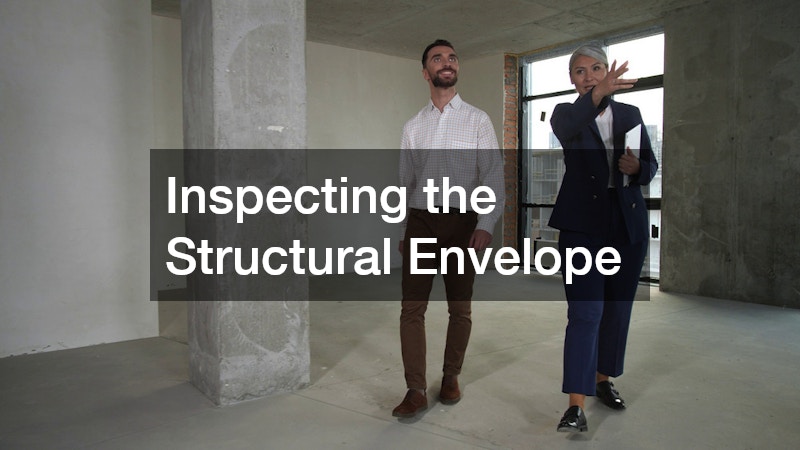
Once the legal groundwork is complete, the focus shifts to the physical structure of the building. The exterior envelope protects the entire business asset from weather damage, structural wear, and temperature fluctuations. A thorough inspection of the walls, windows, and foundational elements is necessary to identify any existing defects before officially accepting the property. New franchisees should document every flaw, scratch, or leak discovered during this phase to ensure the landlord addresses these issues according to the lease terms. Identifying structural challenges early prevents expensive disputes from arising after the keys have been formally handed over.
The roof is arguably the most critical component of this structural envelope, as a minor leak can ruin inventory and damage expensive interior fixtures. Hiring a professional roofer to perform a comprehensive assessment is the safest way to ensure the building is secure. This professional will check for signs of pooling water, damaged membranes, and deteriorating flashing around vents. Addressing roofing vulnerabilities before moving equipment into the building prevents disruptive operational pauses in the future. A clean bill of health for the roof ensures that the interior build-out can proceed without the risk of water damage from unexpected storms, keeping the timeline intact. A compromised exterior can lead to mold development, which creates immediate health code violations.
Evaluating Core Utility Systems
Inside the building, the mechanical, electrical, and plumbing systems form the backbone of daily business operations. These systems must possess the capacity to handle the specific demands of the franchise model, which may be significantly higher than those of the previous tenant. For instance, a retail space being converted into a food service establishment or a high-volume personal care clinic will require substantial utility upgrades. Testing the electrical panels, heating systems, and water lines ensures that the infrastructure can support the new machinery and daily customer traffic. System failures after opening can severely damage public trust.
Water supply and waste management require close attention during the property walkthrough. Bringing in a licensed plumber to evaluate the water pressure, backflow preventers, and pipe integrity can save thousands of dollars in emergency repairs later. This specialist can identify hidden leaks, outdated pipe materials, or code violations that might otherwise go unnoticed until an inspection occurs. Ensuring that hot water systems function efficiently and that all shut-off valves are accessible is critical for workplace safety and operational readiness. A fully verified plumbing system provides a dependable foundation for the business’s daily utility needs and long-term regulatory compliance. Investing in comprehensive professional diagnostics prior to opening minimizes future service calls.
Subsurface Maintenance and Waste Management
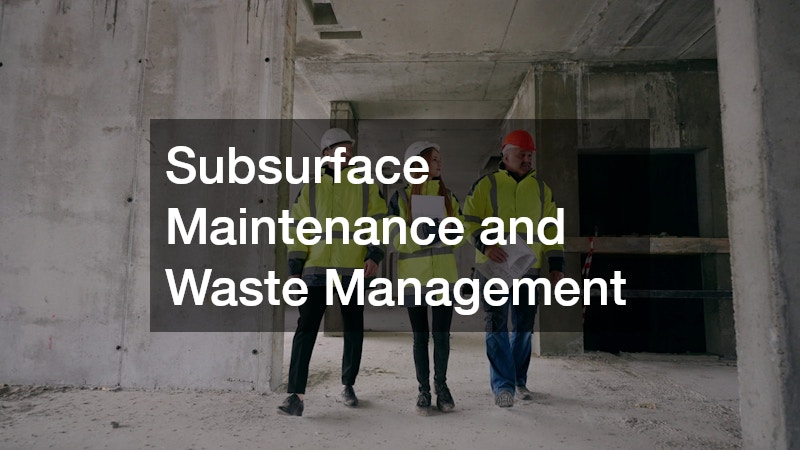
Beyond the visible pipes and fixtures, the subsurface wastewater infrastructure must be thoroughly evaluated to prevent operational disasters. Commercial properties often inherit plumbing systems that have been neglected by previous occupants, leading to accumulated debris and structural weaknesses underground. For franchises that rely on heavy water usage, such as restaurants, salons, or pet care facilities, a failure in the main waste lines can shut down the entire business instantly. Regular inspections and preventative cleaning are essential components of a robust handover strategy.
Securing professional drain services during the handover phase allows business owners to clear away years of grease, mineral buildup, and invasive tree roots. Utilizing specialized diagnostic cameras, technicians can inspect the interior of underground pipes to verify their structural condition and catch cracks before they cause blockages. This proactive step guarantees that waste flows freely away from the property, minimizing the risk of foul odors or backup incidents that could ruin the customer experience. Establishing clear, free-flowing drainage lines from day one protects the physical property and supports a sanitary environment for staff and patrons alike throughout the fiscal year. Neglecting underground systems is a frequent cause of opening week delays.
Enhancing Floor Durability and Aesthetics
With the infrastructure secure, the focus turns to the interior design and the surfaces that will withstand daily wear and tear. Flooring choices in a commercial setting must balance visual appeal with extreme durability and ease of maintenance. The right floor surface protects the subfloor from impacts, chemical spills, and heavy foot traffic while contributing to the overall cleanliness of the space. Franchisees must select materials that align with corporate design standards while meeting local health and safety regulations for slip resistance. A clean floor reflects a high operational standard.
In areas subjected to intense activity, such as storage rooms, mechanical bays, or high-traffic corridors, applying industrial-grade epoxy flooring is an excellent investment. This seamless surface prevents liquids from penetrating into the concrete beneath, making it incredibly easy to clean and sanitize. The high gloss and clean finish of this coating also improve interior visibility by reflecting light, creating a brighter and more welcoming work environment. By prioritizing resilient floor coatings during the handover phase, business owners ensure that their facility remains looking professional and well-maintained for years to come without requiring frequent, costly floor replacements or extensive shutdown periods.
Outfitting the Workspace Layout

The layout of the main workspace plays a direct role in employee productivity, customer flow, and overall operational efficiency. Once the floors and walls are finished, the physical organization of the interior can begin in earnest. This phase requires careful coordination to ensure that the layout matches the approved floor plans provided by the corporate design team. Every desk, partition, and counter must be placed precisely to maximize space utilization and maintain clear pathways for emergency egress. Poor space allocation can bottleneck customer interactions.
Managing the logistics of this setup can be overwhelming, which is why utilizing a team for professional office furniture installation is highly beneficial. Expert installers understand how to assemble complex modular workstations, secure heavy shelving units, and arrange seating configurations quickly and safely. This professional approach reduces the risk of damaging newly finished walls or floors during the move-in process. A properly configured workspace allows employees to perform their duties comfortably and efficiently from the moment the business opens its doors. It also ensures that the administrative zones of the franchise look polished, cohesive, and perfectly aligned with the brand’s national image, impressing visitors.
Information Security and Compliance
As the physical space nears completion, administrative preparation and regulatory compliance must be finalized. Modern businesses handle vast amounts of sensitive information, including employee records, financial statements, and proprietary corporate data. Managing this information securely is not just an operational best practice; it is often a legal requirement under federal and state privacy laws. During a property handover, franchisees frequently find old documents left behind by prior tenants or generate large amounts of sensitive waste during their own setup phase. Data breaches can permanently harm a new location’s reputation.
To protect the business and maintain strict compliance with data privacy standards, establishing a routine for secure document shredding is essential. Leaving old paperwork intact or throwing sensitive documents into standard trash bins creates significant security vulnerabilities and potential liability. Partnering with a certified destruction service ensures that all confidential materials are completely destroyed and recycled according to strict regulatory protocols. This step should be integrated into the weekly operational routine to safeguard proprietary client data, financial disclosures, and internal franchise communications from unauthorized access. Maintaining rigorous data security protocols builds trust with consumers and protects the integrity of the business entity over time.
Preparing for Market Outreach

With the interior fully functional and secure, the franchise owner can shift focus toward marketing, brand awareness, and local customer acquisition. Building anticipation in the local community before the official opening day is vital for ensuring a steady stream of business from day one. Marketing strategies can include local digital advertising, community partnerships, and participation in regional business expos or industry conventions. These external events offer a powerful platform for introducing the new franchise to potential clients and corporate partners in the area. Early visibility accelerates market penetration.
When representing the brand at local business expos or trade gatherings, a well-designed trade show booth serves as the primary visual ambassador for the company. This display must accurately reflect the national brand’s messaging while capturing the attention of passing attendees in a crowded convention hall. The layout should include professional graphics, interactive product displays, and clear contact information to generate high-quality leads. Utilizing a polished, engaging presentation setup at these events helps the new business establish immediate credibility within the local market. This outward-facing marketing effort ensures that the community is aware of the new location and eager to visit once operations begin officially.
Hosting the Grand Opening Celebration
The culmination of the entire handover and setup process is the grand opening celebration. This event is a powerful opportunity to welcome local dignitaries, nearby residents, and corporate representatives into the new space. A successful launch event generates positive word-of-mouth marketing, local media coverage, and immediate foot traffic. Planning a memorable celebration requires careful attention to hospitality, guest comfort, and entertainment logistics to ensure that every attendee leaves with a fantastic impression of the new business. A well-executed celebration sets a positive tone for future client relations.
To accommodate a large crowd comfortably outside or inside the facility, renting professional event equipment is highly recommended. Items such as commercial tents, staging, sound systems, and comfortable seating create a festive atmosphere and protect guests from unpredictable weather conditions. Alongside the physical setup, providing excellent food is a reliable way to keep guests engaged and conversations flowing during the festivities. Contracting a local provider for authentic BBQ catering offers a popular, relaxed dining option that appeals to a wide variety of attendees. The enticing aroma and casual style of this food option encourage people to linger, network, and celebrate the launch of the new venture, completing the property transition on a high note.
Final Walkthrough and Long-Term Readiness
After the celebration concludes and the initial excitement settles, the franchise owner should perform a final, comprehensive walkthrough of the entire property. This last review ensures that all systems are functioning properly under normal operational conditions and that no new issues have emerged during the busy launch phase. Documenting energy usage, testing security systems, and verifying that maintenance schedules are firmly in place will set the business up for long-term operational success.
Establishing a routine maintenance calendar is the final component of a successful property handover. Property management requires continuous attention, and catching minor wear early prevents minor structural failures from becoming major capital expenses later. This structured approach reduces financial risk and maximizes efficiency. With a secure building, compliant systems, and a well-trained staff, the new franchise is fully prepared to serve the community and achieve its growth potential. By approaching the entire handover process with discipline and thoroughness, the franchise owner establishes a strong platform for commercial success that can endure for decades to come.