Key Takeaways
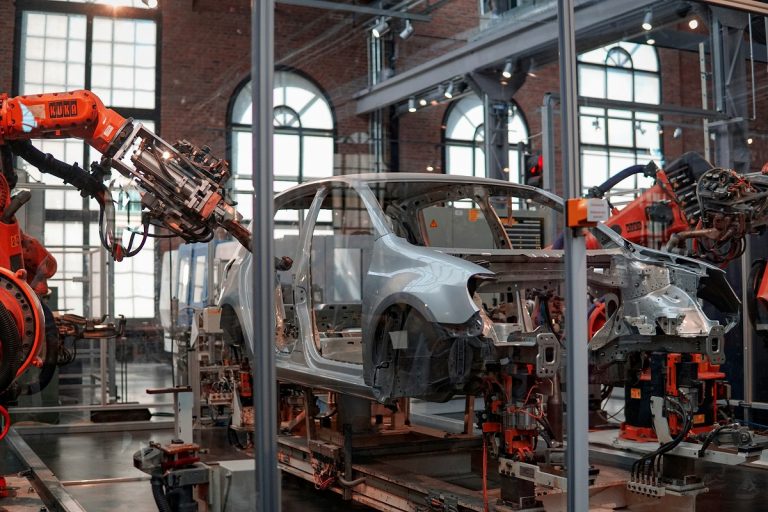
- The sticker price on a new vehicle reflects far more than the parts and labor that physically build the car
- Automakers divide expenses into two broad buckets, and understanding both is key to decoding why cars cost what they do
- Overhead expenses like research, marketing, and dealer support can nearly match the raw build cost of a vehicle
- Industry multipliers used by regulators show that retail prices typically run around 1.5 times the factory-floor expense
- Shoppers can use this knowledge to better evaluate trim upgrades, brand premiums, and dealer markups
- Supply chain shocks, facility upgrades, and labor negotiations all ripple through to the final window sticker
- Breaking down the pricing structure helps buyers negotiate smarter and spot where real value lives
Why Vehicle Prices Feel Like a Moving Target
Walk onto any dealer lot, and you will see two cars that look nearly identical carry wildly different price tags. One wears a mainstream badge and starts in the mid-twenties. The other wears a luxury emblem and crosses into the forties. The steel, glass, and rubber are not that different. The engines might even share parts. The infotainment screens run similar software. So what gives?
The answer lies in the layered expense structure every automaker juggles behind the scenes. Some costs attach directly to each vehicle rolling off the line — the aluminum in the hood, the lithium in the battery pack, the hourly wages of the welders bolting the frame together. Others get spread across millions of units sold over years, like the billion-dollar engineering program that developed a new platform, the Super Bowl ad campaign, or the salaries of the executives in headquarters. Together they build up to the number you see on the window sticker, and the ratio between those two buckets explains why one brand can undercut another by thousands on paper even when the hardware looks comparable.
Understanding manufacturing costs is not just an academic exercise. It explains why trucks got pricier when steel tariffs hit, why electric vehicles still carry a premium even as battery chemistry improves, and why limited-production halo cars cost double what their parts list would suggest. The split between direct and indirect manufacturing costs is the hidden lever that moves every sticker up or down, and once you learn to spot it, pricing stops feeling random.
If you want to shop smarter, negotiate harder, or just understand why your favorite model jumped three thousand dollars this year, you need to see the full picture. This guide walks you through it step by step, with real examples from the assembly line to the showroom floor, so by the end you can look at any vehicle price and know roughly what you are paying for — and what you are paying extra for.
Step One: Separate the Two Big Expense Buckets
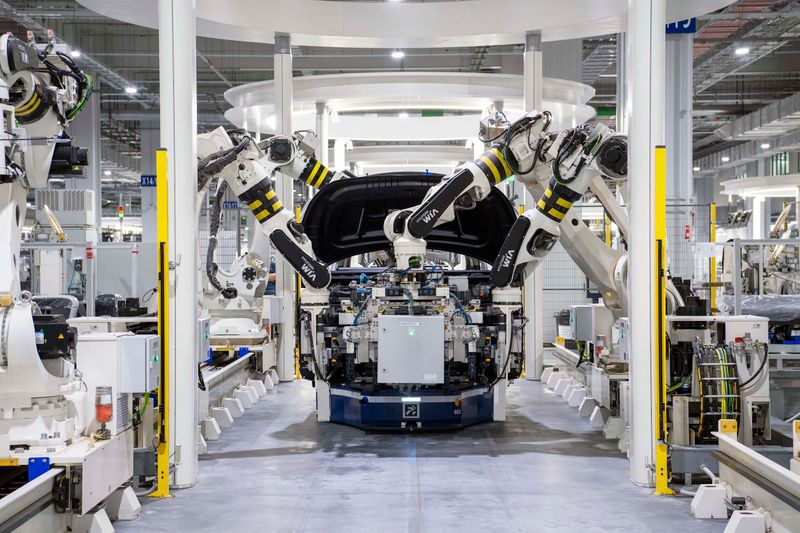
Before you can analyze a vehicle’s price, you need to sort the automaker’s spending into two camps. Think of it like running a food truck. The ingredients and the cook’s wages change with every burger you sell. Rent on the commissary kitchen, the logo on your truck, and your accountant stay roughly the same whether you sell ten burgers or ten thousand.
Car makers work the same way, just at an enormous scale. The first bucket covers everything that touches the physical vehicle during assembly. The second bucket covers everything else the company spends money on to stay in business and get cars into customer hands.
According to the U.S. Environmental Protection Agency, direct manufacturing expenses cover assembly labor and the raw materials in the car, while indirect expenses pull in research, corporate operations, dealer support, and marketing budgets. That split is the foundation for everything that follows.
How to Spot Direct Costs on the Factory Floor
Direct costs are the easy ones to picture. If a worker tightens a bolt on your specific car, that is direct labor. If a sheet of steel gets stamped into your hood, that is direct material. Every vehicle gets its own share of these inputs, and you can trace each dollar to a specific unit.
Here is what typically shows up in this category:
- Raw steel, aluminum, plastics, and glass
- Purchased components like batteries, tires, and electronics
- Assembly line worker wages for hands-on build time
- Paint, fasteners, and consumable supplies used on each unit
- Direct energy consumption for powering assembly equipment
When commodity prices spike, or union contracts get renegotiated, these costs move fast. That is why you often see model-year price hikes land shortly after a labor deal or a lithium shortage.
Step Two: Follow the Hidden Overhead
Indirect costs are trickier because they do not attach to any single vehicle. They support the whole operation. Engineering a new platform might take four years and a billion dollars before a single car gets sold. That spending still needs to be recovered, so it gets spread across every unit of that model line.
A report outlines how overhead in vehicle production spans engineering and research, corporate salaries and pensions, and dealer and marketing support. That is a sprawling list, and it explains why two mechanically similar cars can carry very different prices depending on the brand behind them.
Breaking Down the Overhead Line Items
Within indirect spending, you can usually find these subcategories:
- Research and development for future vehicles and powertrains
- Corporate staff salaries, benefits, and retiree obligations
- Factory depreciation, property taxes, and facility insurance
- National advertising, sponsorships, and brand campaigns
- Dealer training programs, incentives, and franchise support
- Warranty reserves and recall contingency funds
Notice how marketing and dealer support sit in this bucket. A luxury brand that runs Super Bowl ads and funds plush showrooms is loading more overhead onto each car than a budget brand that leans on word of mouth and lean dealerships.
Step Three: Learn the Multiplier Trick Regulators Use
Here is where the step-by-step process gets really practical. Regulators and economists have long needed a shortcut to estimate retail prices from factory data. They use something called an indirect cost multiplier, or a retail price equivalent multiplier. You take the factory-floor cost, multiply it by a number greater than one, and you land close to the sticker.
According to the National Academies of Sciences, industry multipliers ranged from 1.42 at Hyundai to 1.49 at Nissan, with an average near 1.46. The U.S. National Highway Traffic Safety Administration takes a similar approach, applying a 1.5 multiplier to direct build expenses when estimating consumer prices.
What does this mean for you as a shopper? If a car costs roughly twenty thousand dollars to physically build, you should expect the retail price to land somewhere near thirty thousand once overhead, dealer margin, and profit are layered on top. That rule of thumb is remarkably stable across the industry.
Step Four: Watch for External Pressure on Both Buckets
The two buckets do not sit still. External shocks constantly push them around, and when they move, prices move with them. Learning to spot these pressures helps you predict when a model is about to get more expensive or when discounts might appear.
Material costs swing with commodity markets. A spike in copper or nickel hits battery electric vehicles especially hard. Labor costs shift with union contracts and regional wage pressure. On the overhead side, facility investments and regulatory compliance can balloon quickly. Automakers investing in new EV plants are absorbing rising infrastructure costs that eventually show up in sticker prices across the lineup.
Here are the pressure points worth tracking:
- Commodity swings in steel, aluminum, copper, lithium, and nickel
- Union contract renewals and regional labor shortages
- Tariffs on imported parts or finished vehicles
- New emissions and safety regulations that require redesigns
- Currency fluctuations for globally sourced components
- Facility retooling for new powertrains or platforms
When any of these move, the ripple hits one bucket first and then flows into the other. A steel tariff raises direct material expenses immediately. A new safety mandate might take two years of engineering work before it shows up as overhead on the next refresh.
Step Five: Apply the Framework When You Shop
Now you can put all of this to work on the lot. When you compare two trims of the same model, the gap between them is almost pure margin plus a sliver of direct cost for the added features. Heated seats and a bigger screen cost the automaker a modest amount in parts. The price jump between trims is usually several times that figure, which is why loaded trims generate outsized profit.
When you compare two brands building similar vehicles, the price gap mostly reflects differences in overhead strategy. A brand pouring money into motorsports, flagship dealerships, and global advertising has to recover that spending somewhere. Understanding direct vs. indirect manufacturing costs lets you see exactly where the premium comes from and decide whether it feels worth it to you.
Questions to Ask Before You Sign
Use this quick checklist when you are evaluating a specific vehicle:
- Is the trim upgrade adding real hardware or mostly cosmetic touches?
- Does the brand premium buy you measurable quality or mostly image?
- Are dealer add-ons reflecting actual cost or pure margin?
- Has the model seen a recent price hike tied to material or labor shifts?
- Are incentives available that suggest the automaker has room to move?
Each question maps back to one of the buckets. Hardware questions probe direct spending. Brand and dealer questions probe overhead. Incentive questions probe how much cushion the automaker built into the final price.
Step Six: Time Your Purchase Around Cost Cycles

Vehicle pricing follows predictable rhythms once you know what drives it. Model year changeovers often bring price adjustments as automakers rebalance their recovery of manufacturing costs across the updated lineup. End of quarter and end of year push dealers to move inventory, which exposes more of the overhead cushion as discount room.
Watch for these timing cues:
- New model year arrivals pushing outgoing inventory into discount territory
- Quarterly sales targets creating temporary incentive bumps
- Mid-cycle refreshes that reset the pricing ladder
- Commodity price drops that eventually ease pressure on sticker increases
- Factory shutdowns or supply shortages that tighten inventory and reduce bargaining room
The buyer who understands the rhythm of the reworded breakdown of direct and indirect manufacturing costs can read the market with far more confidence than someone just reacting to the number on the window.
Spotting a Genuine Deal
A genuine deal shows up when the dealer is willing to shave margin from the overhead and profit layers, not just rebate a few hundred dollars on options. Look for packages that bundle real hardware at a discount, financing promotions tied to captive lenders, and loyalty incentives that stack with existing offers. Those are the moments when the full pricing structure bends in your favor.
Conclusion
Vehicle prices stop feeling random the moment you can sort them into the two buckets that build them. Direct expenses give you the physical car in front of you. Indirect expenses give you the brand, the dealer network, the engineering pipeline, and the marketing campaign that put it there. Add them together, apply the industry multiplier, and the sticker price starts to make sense instead of feeling arbitrary.
The practical payoff is confidence. You can walk onto a lot and understand why one trim costs four thousand more than another, why a luxury badge commands a premium over a mechanically similar mainstream model, and why the same car might cost noticeably more this year than last. That understanding changes how you negotiate, how you compare options, and how you time your purchase.
Keep the framework in your back pocket the next time you shop. Ask what you are paying for in each bucket, test whether the premium matches the value you actually receive, and remember that every dollar on the sticker traces back to a decision the automaker made long before the car reached the showroom. That perspective is what separates a smart buyer from a hopeful one.