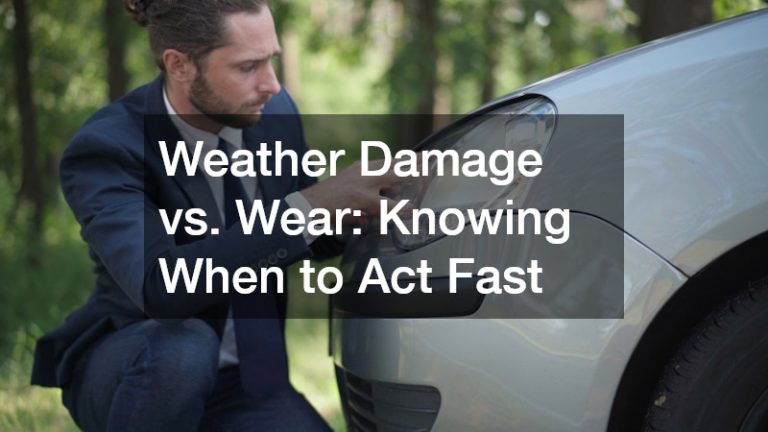
A cracked bumper or a dented door panel can mean very different things depending on how it happened and how long it’s been there. Some vehicle damage demands immediate attention to prevent rust, structural issues, or safety hazards, while other wear can wait for a routine appointment. Knowing the difference helps you avoid overpaying for emergency service when it isn’t needed, or worse, delaying repairs that only get more expensive with time.
This guide breaks down how to tell weather-related damage from ordinary wear and tear, and when each situation calls for fast action.
Identifying Hail Damage on Your Vehicle’s Body Panels
Hailstorms can leave a vehicle covered in small dents within minutes, and the damage is often more serious than it first appears. Unlike a single ding from a shopping cart, hail typically creates dozens of shallow depressions spread across the hood, roof, and trunk. Left unaddressed, these dents can trap moisture in tiny cracks in the clear coat, eventually leading to rust that spreads underneath the paint.
If you’ve recently been through a storm, it’s worth inspecting your car in good daylight or with a flashlight at a low angle, since hail dents can be hard to spot in shadow or direct overhead light. Prompt hail repair not only restores your car’s appearance but also protects its resale value, since buyers and appraisers often flag storm-damaged vehicles even after cosmetic fixes.
- Check the hood, roof, and trunk lid first, since these horizontal surfaces take the brunt of hailstorms
- Look for clusters of shallow dimples rather than one deep dent
- Inspect your windshield and mirrors for cracks or chips alongside body damage
- Document damage with photos immediately for insurance purposes
- Act within days, not weeks, since insurance claims often have reporting deadlines
Distinguishing Storm Impact From Everyday Parking Lot Dings
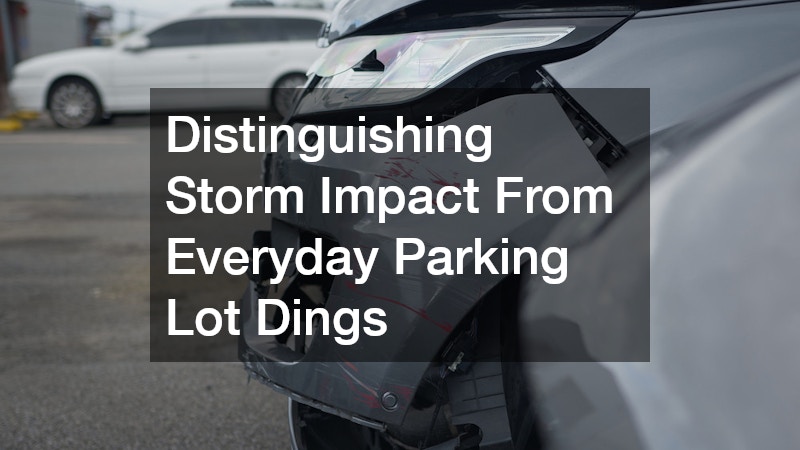
Not every dent is weather-related, and telling the two apart matters for both repair method and insurance purposes. A parking lot ding from a stray door or cart usually appears as a single, isolated dent with a clear point of impact, often on a door edge or lower panel. Weather damage, by contrast, tends to be scattered and multidirectional, since wind-driven debris or hail strikes a vehicle from many angles at once. If you’re unsure which category your damage falls into, an auto body shop can usually make that determination quickly during an initial inspection.
Fallen branches, flying debris during high winds, and even flooding can all cause damage that looks similar to routine wear at first glance but carries different underlying risks. A tree limb dent might crease the metal or damage the paint layer more deeply than a simple bump would, sometimes affecting the panel’s structural support. If you’re unsure which category your damage falls into, a trained technician can usually determine the cause within minutes by examining the pattern and depth of the impact.
Recognizing When Paintless Dent Repair Is the Right Fix
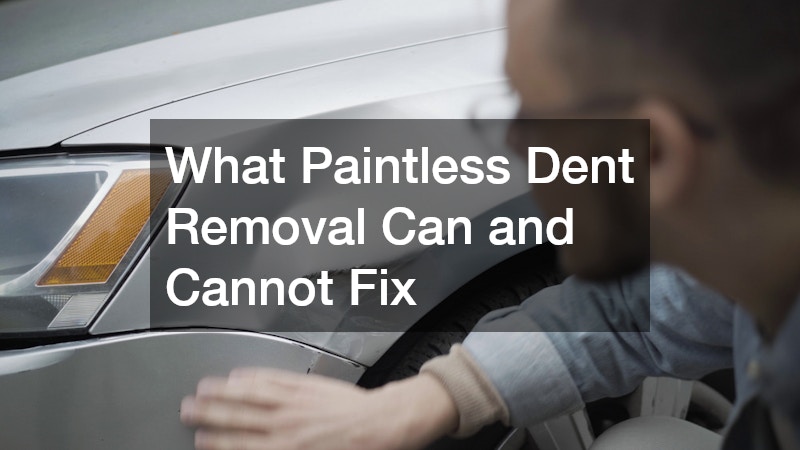
Many dents caused by hail or minor impacts don’t require repainting at all. Paintless dent repair is a technique where a technician gently massages the metal back into shape from behind the panel, preserving the factory paint finish. This method works best on dents that haven’t cracked or chipped the paint and where the metal hasn’t been stretched too far.
This approach tends to be faster and less expensive than traditional bodywork, which makes it a smart first option to ask about before assuming a full repaint is necessary. It’s particularly effective for the widespread, shallow dents typical of hailstorms, since technicians can address dozens of small dimples in a single service visit rather than repainting entire panels.
- Works best on dents smaller than a golf ball with no paint cracking
- Typically completed faster than traditional bodywork
- Preserves the vehicle’s original factory paint, which matters for resale value
- Not suitable for dents on sharp panel edges or creases
- Often covered by comprehensive insurance policies for storm damage
Spotting Rust and Corrosion Before It Spreads
Rust rarely appears overnight, but once it starts, it can spread quickly if moisture keeps finding its way into exposed metal. Weather plays a direct role here, since road salt, prolonged rain exposure, and humidity all accelerate corrosion, especially around wheel wells, door edges, and the undercarriage. A small bubble in the paint or a rough patch of texture is often the earliest visible sign that rust has already started underneath.
Catching corrosion early is one of the clearest examples of when acting fast genuinely saves money. Once rust eats through a body panel, the repair shifts from a simple surface fix to a more involved auto body repair job requiring metal replacement, which costs significantly more and takes longer to complete.
- Check wheel wells and rocker panels seasonally, especially after winter
- Look for paint bubbling, flaking, or discoloration
- Address chips and scratches quickly, since exposed metal rusts fastest
- Wash off road salt regularly during winter months
- Have any suspicious spots inspected before they spread
Assessing Bumper Cracks and Impact Damage
Bumpers are designed to absorb impact, but that doesn’t mean cracks or dislodged clips should be ignored. A cracked bumper can compromise the sensors used in modern parking assist and collision warning systems, meaning the damage might affect more than just appearance. Even a bumper that looks mostly intact after a low-speed impact can have hidden damage to its internal foam layer or mounting brackets.
Weather-related bumper damage often comes from flying debris during storms or from ice and snow buildup that puts pressure on plastic components. Getting a professional assessment of bumper repair needs quickly can prevent a small crack from turning into a bumper that detaches entirely while driving, which is both a safety hazard and a bigger repair bill down the line.
Deciding Between Emergency Repair and Scheduled Maintenance
Not every issue requires dropping everything to get to a shop that day. The key question to ask is whether the damage compromises safety, security, or structural integrity right now, or whether it’s a cosmetic or gradual problem that can wait for a scheduled appointment.
Genuine emergencies typically involve safety systems, like a headlight knocked loose, a bumper hanging by a clip, or a cracked windshield obstructing your view. Other red flags include brake lights that won’t illuminate, a hood latch that’s failed, or fluid leaking rapidly onto the pavement. These situations warrant fast action because they affect your ability to drive safely, put other drivers at risk, or leave your vehicle exposed to further damage from rain, debris, or road salt.
By contrast, things like minor paint chips from gravel, small dents from hail, faded trim, or a light dusting of rust on the undercarriage can typically wait a week or two. These issues won’t worsen dramatically overnight and can be folded into your next regular maintenance visit, saving you the premium that many shops charge for same-day or after-hours service.
A useful rule of thumb: if the damage affects visibility, braking, steering, or whether panels and lights stay securely attached, treat it as urgent. If it’s purely aesthetic or affects only long-term wear, schedule it during your next oil change or inspection instead.
On the other hand, cosmetic wear like faded paint, minor scuffs, or small dents that have been there for months can typically wait for a convenient appointment. A door-edge ding you got in a parking lot six months ago, clear coat that’s starting to dull on the hood, or a scratch that hasn’t rusted isn’t going anywhere fast, so there’s no financial or safety penalty for delaying the fix.
The key question to ask is whether the damage is actively getting worse or creating a safety risk. Cracks that spread across the windshield with each temperature swing, rust that’s bubbling up around a wheel well, or a dent that’s pinching against a tire all fall into the “acting worse” category and deserve prompt attention. Anything that affects visibility, tire contact, lighting, or structural panels should be treated as a safety question first, cosmetic question second.
If the answer is no, you have room to shop around and schedule the work when it fits your budget and calendar. Use that time wisely: get two or three quotes, ask whether the car body shop uses OEM or aftermarket parts, and check if your insurance deductible makes filing a claim worthwhile versus paying out of pocket. Booking during a slower season, like late fall before winter repair rushes hit, can also save you money and get you a faster turnaround.
- Treat exposed metal, loose parts, and cracked glass as urgent — rust and corrosion can set in within days of exposure
- Schedule cosmetic dents, hail dings, and faded paint at your convenience, since they rarely worsen quickly
- Watch for new sounds or vibrations (grinding, clunking, or shaking at speed) that suggest hidden suspension or frame damage
- Check fluid levels and look for leaks after any hard impact, as these can signal deeper issues not visible from outside
- Factor in upcoming weather, since more rain, snow, or freezing temps can turn a minor crack or leak into a major failure
- If a repair affects visibility, braking, or steering, treat it as an emergency regardless of how minor it looks
- When in doubt, get a quick professional opinion rather than guessing — many shops offer free inspections for storm-related damage
Understanding What Happens After a Collision With Another Vehicle
An auto collision brings a different set of urgent considerations than weather damage alone, mainly because it often involves other parties, insurance claims, and potential injuries. Even a seemingly minor fender bender can hide frame damage that isn’t visible without a proper inspection. This is why prompt evaluation matters, since driving with unseen structural issues can be dangerous and may void certain insurance protections if you delay reporting.
A shop experienced in auto body collision repair will typically check alignment, suspension components, and airbag sensors in addition to the visible bodywork. This comprehensive approach ensures that damage from the impact doesn’t cause problems weeks later, like uneven tire wear or a steering pull that only becomes noticeable once you’re back on the highway.
Choosing a Qualified Repair Provider in Your Region
Finding the right place to handle repairs matters just as much as recognizing the damage itself. Look for a provider with certified technicians, a track record of insurance claim experience, and equipment suited to your vehicle’s specific make and model. Many regions have specialized providers, and searching for an auto body southeast option, for example, can help you find a shop familiar with regional weather patterns like frequent hailstorms or high humidity that accelerates rust.
A reputable repair provider should be willing to walk you through their assessment, explain what’s covered by insurance, and give you a realistic timeline before any work begins. Transparency at this stage is a good indicator of how the rest of the repair process will go, so don’t hesitate to ask questions or request a written estimate before committing.
- Ask about certifications and manufacturer-specific training
- Request references or reviews from recent customers
- Confirm whether they handle insurance paperwork directly
- Ask for a written estimate before authorizing work
- Check turnaround time, especially if the vehicle is your primary transportation
Preventing Future Weather Damage With Protective Measures
While you can’t control the weather, you can reduce how much it affects your vehicle over time. Applying paint protection film to high-impact areas like the hood, mirrors, and leading edges of doors creates a physical barrier against small debris, road grit, and minor scrapes that would otherwise damage the clear coat. This kind of preventive step is especially useful for anyone who parks outdoors regularly or lives in an area prone to sudden storms.
Beyond film, simple habits make a measurable difference in how well your vehicle holds up against seasonal weather. Parking under cover during storm warnings, washing off corrosive substances like road salt promptly, and keeping an eye on panel condition throughout the year all help catch small problems before they require significant repair work.
- Apply protective film to hoods, mirrors, and door edges prone to chipping
- Park in a garage or under cover when storms are forecast
- Wash your vehicle regularly to remove salt, sap, and bird droppings
- Inspect panels seasonally for early signs of wear or corrosion
- Keep a small emergency kit for quick temporary fixes after minor incidents
Learning to distinguish weather damage from ordinary wear puts you in a much stronger position to protect both your vehicle and your wallet. Acting quickly on rust, hail dents, and safety-related damage prevents small issues from becoming expensive repairs, while cosmetic wear can often wait until it’s convenient. When you’re unsure which category your situation falls into, a quick inspection from a trusted professional is always worth the time. Taking these steps now means fewer surprises and a vehicle that holds up better against whatever the next season brings.