The physical space your business occupies is far more than just a shelter for your operations; it is a tangible representation of your brand, a crucial factor in employee productivity, and a primary touchpoint for the customer experience. When a building begins to show its age, or when a newly acquired property doesn’t quite fit your operational needs, a large-scale renovation becomes necessary. However, undertaking a major renovation is notoriously complex. It is a process fraught with potential budget overruns, unexpected structural surprises, and significant disruptions to your daily business operations if it is not managed with surgical precision.
The difference between a renovation that spirals out of control and one that successfully transforms your property lies entirely in the planning phase. Jumping straight into aesthetic choices without a rigorous, phased roadmap is the quickest way to exhaust your capital on change orders and delays. To mitigate these risks, property owners and facility managers must approach the project systematically, starting from the soil beneath the foundation and working their way up to the architectural finishes.
This comprehensive guide is designed to provide you with an actionable, step-by-step roadmap for planning a complete building overhaul. We will cover the critical phases of a large-scale project, from the initial environmental audits and structural assessments to securing the building envelope, modernizing internal systems, and executing the final exterior site improvements. By following these phased strategies, you will be equipped to keep your project on schedule, within your financial parameters, and aligned with your long-term business goals.
Phase 1: Initial Assessment and Groundwork
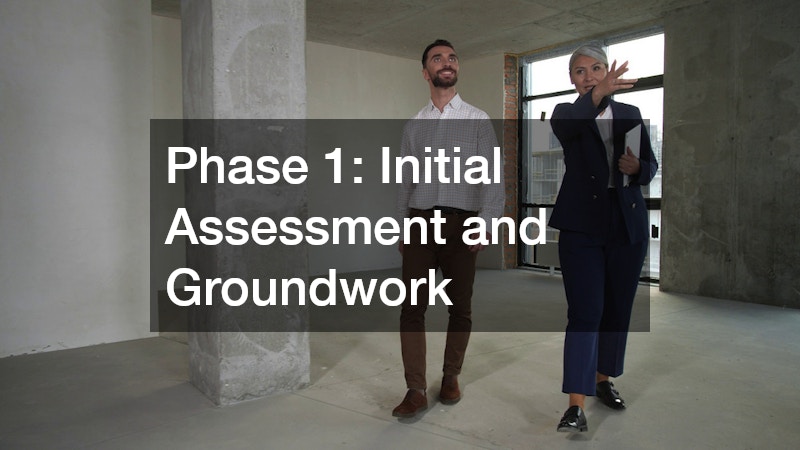
Before any new materials are ordered or walls are erected, you must understand exactly what you are working with. The initial assessment phase is about evaluating the current state of the property, identifying hidden liabilities, and clearing the way for new construction. Skipping or rushing this phase almost guarantees costly surprises later in the project.
Conduct a Thorough Structural and Environmental Audit
Older buildings often hide secrets behind drywall and beneath floorboards. Your first step is to hire independent structural engineers and environmental inspectors to conduct a comprehensive audit of the property.
-
Hazardous Material Testing: Buildings constructed before the 1980s have a high probability of containing asbestos in floor tiles, pipe insulation, and mastic, as well as lead-based paint on the walls. An environmental hygienist must test for these materials so they can be factored into the removal budget.
-
Structural Integrity Checks: An engineer should assess the load-bearing capacity of the current framing, the integrity of the foundation, and the condition of the masonry. If you plan to add heavy roof-mounted equipment or alter load-bearing walls, these calculations are non-negotiable.
-
Permit Acquisition Strategy: Based on the audit, your project manager or architect will need to create a permitting strategy. Major structural changes often require zoning variances, environmental impact reports, and specialized building permits. Knowing the timeline for these approvals allows you to build a realistic project schedule.
Clear the Canvas Safely and Legally
Once you have your permits and a clear understanding of the building’s structural health, you have to strip the space down to its usable core. This is a delicate logistical dance, especially if the property is located in a dense urban environment or an active business park. You must mitigate dust generation, manage noise levels, and ensure that falling debris does not pose a hazard to neighboring properties or pedestrians. Because of the high liability and specialized equipment required for safe structural teardowns and hazardous material abatement, partnering with experienced commercial demolition services is a critical step. They will handle the complex logistics of separating recyclable materials, disposing of toxic waste in compliance with local EPA regulations, and ensuring the site is safely stripped to the studs without compromising the foundational structure.
Stabilize and Prepare the Surrounding Terrain
Renovations often involve expanding the footprint of the building, reinforcing foundations, or completely reconfiguring the exterior drainage. Before heavy machinery can operate safely or concrete can be poured, the earth itself must be evaluated and manipulated.
-
Geotechnical Soil Testing: Soil composition dictates how much weight the ground can support. Testing ensures your new additions won’t settle unevenly and cause foundation cracking.
-
Underground Utility Mapping: Striking a buried gas line or fiber optic cable is a disastrous and expensive mistake. All subterranean lines must be mapped, and in some cases, rerouted.
-
Grading and Excavation: To prevent future flooding, the land must be perfectly graded to direct water away from the structure. Bringing in expert commercial site prep services is essential for this task, as they possess the heavy earth-moving equipment and laser-guided grading technology required to compact the soil, dig proper utility trenches, and establish a stable, perfectly leveled base for the rest of the construction.
Phase 2: Securing the Building Envelope
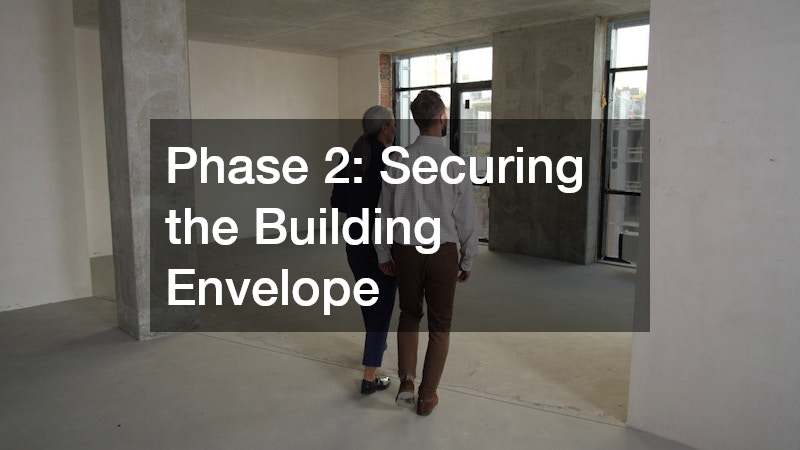
With the groundwork laid and the interior cleared, the next priority is the building envelope. The envelope consists of everything that separates the conditioned interior from the unconditioned exterior. If the envelope is compromised, any internal upgrades you make will be at risk of water damage, pest intrusion, and massive energy loss.
Audit and Weatherproof the Top Layer
The roof is your property’s first line of defense against the elements. A failing roof can cause catastrophic damage to a newly renovated interior, destroying drywall, shorting out electrical systems, and fostering toxic mold growth. You must conduct a highly detailed audit of the current roofing system.
-
Identify Hidden Intrusions: Look for ponding water on flat surfaces, degraded flashing around vents and parapet walls, and compromised insulation just beneath the membrane. Thermal imaging can often reveal areas where water has saturated the sub-layers without yet dripping into the building.
-
Evaluate Material Options: If a replacement is necessary, research the best materials for your climate and building type. Thermoplastic Polyolefin (TPO) is highly reflective and excellent for reducing cooling costs, while Ethylene Propylene Diene Monomer (EPDM) is incredibly durable and weather-resistant.
-
Compare Warranties and Expertise: Because the longevity of a roof is heavily dependent on the quality of the installation, it is highly recommended to solicit comprehensive proposals from at least three established commercial roofing companies. Compare their workmanship warranties, their experience with your specific chosen material, and their proposed timeline for completion.
Modernize Shipping, Receiving, and Fleet Entryways
For warehouses, manufacturing facilities, or retail spaces with significant inventory turnover, the access points for vehicles and freight are a massive part of the building envelope. Old, uninsulated loading dock barriers are a primary source of energy loss and pose severe security risks.
-
Analyze Logistical Flow: Observe how goods and vehicles move in and out of the facility. Are the current openings wide enough for modern delivery trucks? Are there bottlenecks that slow down your operational efficiency?
-
Prioritize Safety Mechanisms: Modern access barriers should be equipped with advanced safety features, including photo-eye sensors that reverse operation if an object breaks the beam, and heavy-duty spring systems that prevent sudden free-falls.
-
Upgrade for Thermal Efficiency: Replacing outdated barriers with modern, high-speed, insulated commercial garage doors offers an exceptional return on investment. These heavy-duty installations utilize thermal breaks and polyurethane insulation to maintain the internal climate, drastically reducing heating and cooling costs while providing robust security against forced entry.
Phase 3: Upgrading Core Internal Systems
Once the building is watertight and secure, the focus shifts inward. The “guts” of your facility—the power grids, the ventilation, and the plumbing—must be robust enough to handle modern technological demands and provide a comfortable, compliant environment for your workforce.
Calculate and Future-Proof Your Power Load
The electrical demands of modern business are staggering compared to even a decade ago. From dense server farms and heavy industrial machinery to dozens of employee workstations and electric vehicle charging stations, your property’s power infrastructure must be meticulously calculated.
-
Audit Current Capacity vs. Future Needs: Calculate your anticipated amperage requirements. If you are operating heavy machinery, you will likely require a three-phase power supply to ensure smooth, efficient equipment operation.
-
Design for Flexibility: Install subpanels in distinct operational zones to allow for localized troubleshooting and future expansion without overhauling the main switchgear. Consider raised access flooring in office spaces to easily route data cables and power lines as floor plans change over time.
-
Ensure Code Compliance: Electrical fires and system failures are major liabilities. It is a legal and functional imperative to hire licensed commercial electricians to pull the necessary permits, upgrade your main breaker panels, properly ground all systems, and ensure that every inch of wiring meets the stringent requirements of the modern National Electrical Code (NEC).
Optimize Ventilation for Air Quality and Climate Control
Indoor Air Quality (IAQ) and thermal comfort directly impact employee productivity and customer satisfaction. A poorly designed ventilation system leads to stagnant air, hot and cold spots, and astronomical utility bills.
-
Implement Zoned Climate Control: Different areas of your building have vastly different thermal needs. A bustling retail floor requires different temperature management than a heat-generating server room or a perimeter office with large, sun-facing windows. Zoned systems allow you to control these micro-climates independently.
-
Integrate Smart Building Controls: Upgrading to smart thermostats and Building Management Systems (BMS) allows facility managers to monitor energy usage in real-time, schedule temperature setbacks during off-hours, and receive automated alerts when equipment is running inefficiently.
-
Redesign Ductwork for Efficiency: Old, leaky ductwork can lose up to 30% of conditioned air before it ever reaches the intended room. You should consult with specialized commercial hvac technicians to rigorously test the existing ducts, seal leaks, and potentially redesign the airflow routes to minimize static pressure drops, reduce energy waste, and drastically improve the overall indoor air quality.
Phase 4: Exterior Aesthetics and Energy Efficiency
With the heavy lifting of the core systems complete, the renovation can move to the exterior finishes. This phase is about more than just making the building look good; it is about protecting the structural materials from the weather, communicating your brand identity, and implementing passive strategies to further reduce your operational costs.
Apply High-Durability Coatings to Revitalize the Facade
The exterior finish of your building is battered daily by ultraviolet radiation, rain, wind, and pollution. A standard coat of residential-grade paint will quickly fade, chalk, and peel under these harsh conditions, making your business look neglected.
-
Prioritize Surface Preparation: The secret to a long-lasting exterior finish is not just the coating itself, but how the surface is prepared. Years of dirt, efflorescence, and failing paint must be meticulously removed through power washing, sandblasting, or chemical stripping. Any cracks in the stucco or masonry must be routed out and filled with elastomeric sealants.
-
Select Advanced Protective Coatings: Invest in high-performance elastomeric or acrylic-urethane coatings. These specialized materials are designed to stretch and contract with the building as it heats and cools, bridging hairline cracks and providing a waterproof barrier against driving rain.
-
Leverage Professional Expertise: Because of the scale of the equipment required, including boom lifts and specialized spray rigs, hiring experienced commercial painters is crucial. They have the safety training to work at heights, the knowledge to select the exact right chemical coatings for your specific siding material, and the efficiency to complete the job quickly with minimal disruption to your daily operations.
Install Passive Shade Solutions Over Windows and Entries
While large windows are fantastic for bringing natural light into a workspace, they also introduce massive amounts of solar heat gain, forcing your air conditioning systems to work in overdrive during the summer months. Passive shade strategies are an elegant way to solve this problem while simultaneously enhancing the building’s architecture.
-
Analyze Solar Angles: Determine which facades receive the harshest direct sunlight. South-facing windows benefit greatly from horizontal shading devices, while west-facing windows often require vertical shading to block the low, intense afternoon sun.
-
Protect Interior Assets: Beyond energy savings, blocking direct ultraviolet light prevents the premature fading and degradation of your interior carpets, hardwood floors, and expensive office furniture.
-
Combine Function with Branding: Installing custom-designed commercial awnings over entryways and high-exposure windows provides a multi-functional solution. Not only do they drastically reduce the solar heat gain entering the building, but they also offer a highly visible canvas for your company’s logo and brand colors, acting as a permanent, elegant piece of street-level advertising.
Phase 5: Finalizing the Property Perimeter and Access
The final phase of a complete property renovation moves away from the building itself and focuses on the surrounding grounds. The parking areas, walkways, and property perimeters dictate the very first physical interaction a client or employee has with your business. If these areas are hazardous or disorganized, it undermines all the hard work done inside the building.
Repair Surface Hazards and Ensure ADA Compliance
A degraded parking lot is a massive liability. Potholes, crumbling asphalt, and standing water not only damage the suspension of vehicles but also create severe trip-and-fall hazards for pedestrians. Furthermore, strict federal guidelines govern how parking lots must accommodate individuals with disabilities.
-
Conduct a Thorough Liability Audit: Walk the entire lot looking for alligator cracking, uneven transitions between the asphalt and concrete sidewalks, and areas where poor drainage leads to dangerous ice patches in colder weather.
-
Enforce Strict Accessibility Standards: The Americans with Disabilities Act (ADA) mandates highly specific requirements for parking facilities. This includes the exact width of accessible parking stalls, the slope and grading of curb ramps, and the placement of visible signage. Failing to meet these standards can result in hefty fines and lawsuits.
-
Execute Structural Paving Repairs: Rather than just filling holes with cold patch, you should contract a reputable commercial asphalt contractor to mill away the damaged top layers, repair the compromised sub-base underneath, apply a durable hot-mix asphalt overlay, and finish the job with heavy-duty sealcoating and precise, highly visible, code-compliant line striping.
Establish Secure Boundaries and Equipment Enclosures
The final touch of the exterior renovation is defining the property lines and hiding the less attractive, operational elements of the business. You want to maintain security and organization without making the property look like a high-security prison.
-
Conceal Unsightly Infrastructure: Dumpsters, recycling bins, ground-mounted ventilation units, and large backup generators are necessary, but they shouldn’t be the focal point of your property. Build dedicated enclosures around these elements to keep them out of sight and protected from vandalism.
-
Define Access Control Points: Determine where public access should be encouraged and where private, employee-only areas need to be restricted. Funnel foot traffic naturally using landscaping and hardscaping barriers.
-
Select Appropriate Perimeter Materials: When securing the outer boundary of the property or creating equipment enclosures, the material choice is vital. Utilize heavy-duty commercial fencing tailored to your specific needs. Welded steel or architectural aluminum provides robust security while maintaining visual appeal, whereas opaque vinyl or composite materials are perfect for completely screening unsightly utility areas from public view.
Conclusion
Planning and executing a complete building renovation is a monumental undertaking that requires incredible attention to detail, a realistic understanding of budgets, and a commitment to methodical phasing. By breaking the project down into logical steps—starting with the invisible groundwork and structural audits, moving outward to secure the envelope, upgrading the internal life-support systems, and finally refining the exterior aesthetics and site access—you create a predictable, manageable workflow.
While the renovation process is inherently stressful and demanding, the long-term rewards are undeniable. A newly optimized facility drastically reduces ongoing maintenance and utility costs, mitigates safety liabilities, and provides a modern, comfortable environment that boosts employee morale and productivity. Furthermore, an updated, cohesive exterior serves as a powerful, silent ambassador for your brand, signaling to clients and competitors alike that your business is thriving, professional, and forward-thinking.
The key to preventing project fatigue and budget blowouts is to begin your planning well in advance of the actual construction. Start today by organizing your project scope, determining your hard budget constraints, and reaching out to specialized project managers or architectural consultants. With a solid plan in place, you can transform your aging property into a cutting-edge asset that will support and elevate your business operations for decades to come.