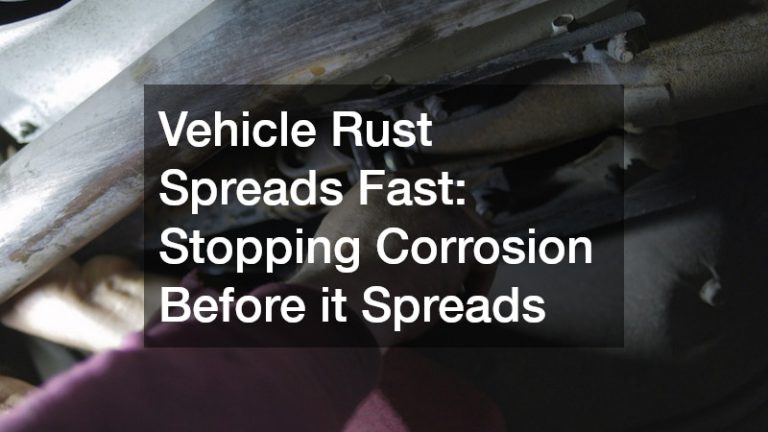
A small bubble of paint or a faint orange speck on your vehicle’s fender might seem like nothing worth worrying about, but rust doesn’t wait for a convenient time to spread. Once corrosion breaks through a protective coating, it can travel under paint and metal panels far faster than most owners realize, quietly weakening structures you rely on every day. Whether it’s a car, a boat, or a piece of equipment sitting outside your home, understanding how rust moves and where it hides is the first step toward stopping it before repair costs spiral. This article breaks down where rust starts, how it spreads, and what steps actually make a difference.
Recognizing the Early Warning Signs of Corrosion
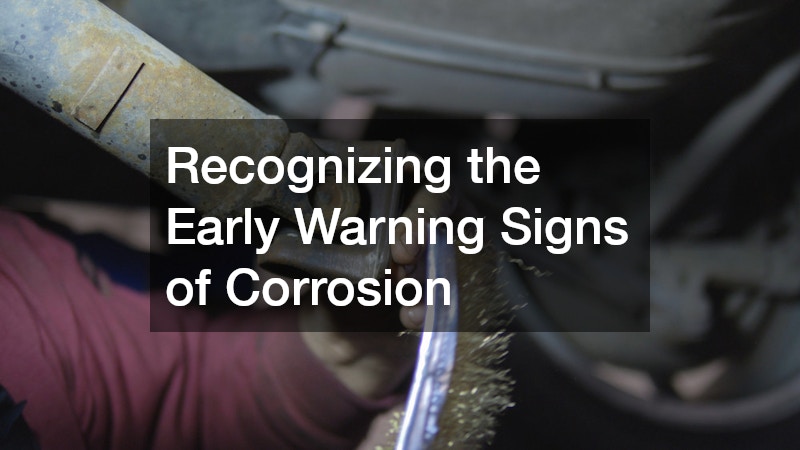
Rust rarely announces itself with a dramatic hole in the metal. It usually starts as a tiny discoloration, a raised paint bubble, or a rough patch that feels different from the surrounding surface. Catching these signs early gives you a much better chance of stopping the damage before it reaches structural components.
Owners who inspect their vehicles or outdoor equipment regularly tend to catch corrosion months before it becomes a costly problem. A flashlight and a few extra minutes during a routine wash can reveal issues hiding in wheel wells, door seams, and undercarriages.
- Bubbling or flaking paint, especially near seams and edges
- Small orange or brown spots that reappear after cleaning
- A rough or pitted texture where metal used to be smooth
- Water stains or drip marks trailing from a specific spot
- A musty smell inside a vehicle cabin, which can signal hidden moisture
Why Rust Spreads Faster Than Most People Expect
Rust is not a static stain sitting on top of metal, it is an active chemical reaction that consumes the metal itself. Once oxidation starts, it creates a rough, porous surface that traps even more moisture, which accelerates the process in a feedback loop. This is why a coin-sized spot can become a fist-sized weak point within a single rainy season.
Metal panels are also connected, so corrosion at one seam can travel underneath adjacent panels where you cannot see it. By the time rust becomes visible on the surface, it has often already been working beneath the paint for months, which is exactly why professionals treat every small spot as a bigger warning sign.
Protecting European Vehicles From Hidden Corrosion Points
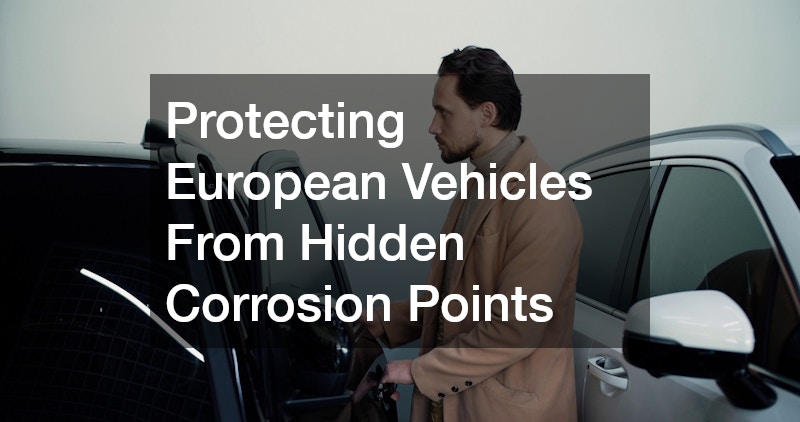
Imported vehicles often have unique body designs, seam sealants, and undercoating specifications that differ from domestic models, and getting those details wrong during a repair can leave metal exposed to future rust. German and Scandinavian automakers, for example, frequently use factory-applied cavity wax injections in rocker panels, wheel wells, and door bottoms, along with specific PVC-based seam sealers that flex with the body rather than cracking over time. Substituting a generic sealant or skipping the wax injection step might pass a visual inspection, but it removes a layer of protection the vehicle was engineered to rely on. This makes european car repair a specialized job, since technicians need to know the exact factory coatings and drainage channels these vehicles use to keep moisture from pooling in hidden cavities. Many of these models route water through narrow channels behind bumpers, under sunroof trays, and along frame rails, and even a slightly misaligned panel during reassembly can block that drainage path.
Once water has nowhere to go, it collects against bare metal, and corrosion can start forming within weeks rather than months. Skipping these details during a repair might look fine at first glance but can lead to corrosion returning within a year or two, often in the exact spot that was just repaired. A shop unfamiliar with a specific make may also use the wrong gauge of replacement metal or omit galvanized coating altogether, quietly shortening the vehicle’s rust resistance by years. For owners, asking whether a shop uses OEM-spec sealants and coatings, rather than generic aftermarket substitutes, is a simple way to protect that investment long-term.
Owners of German and other European makes should pay particular attention to wheel arches, rocker panels, and the base of windshields, since these areas are common trouble spots. Wheel arches trap road salt and grit against the inner fender liner, where moisture lingers long after the exterior looks dry. Rocker panels sit low enough to catch splashback from the tires, and their layered construction can hide surface rust until it has already eaten through from the inside. The base of the windshield deserves special attention too, since the factory seal around it is often the first place water finds its way into the cabin structure. Once that seal degrades, moisture can seep beneath the cowl panel and sit against bare metal for months without being noticed.
A shop experienced in BMW repair will typically check these zones as a matter of routine, because manufacturers often reinforce them with specific sealants and cavity waxes that need to be reapplied correctly after any bodywork. These coatings are formulated to match OEM corrosion warranties, which on many European models run 10 to 12 years against perforation. Using the wrong sealant, or skipping it altogether after a repair, can quietly void that protection long before the vehicle shows visible signs of trouble.
Choosing the Right Shop for Structural Repairs
Not every repair shop treats corrosion the same way, and the difference between a quick cosmetic fix and a lasting repair usually comes down to how thoroughly the technician addresses the metal underneath. A shop specializing in auto body work should be able to explain exactly how they treat rust before painting, including whether they remove all affected metal or simply cover it.
Ask questions before committing to any repair, since a reputable shop will welcome them rather than rush you into a decision. Understanding the process helps you judge whether the fix will hold up over years of weather exposure rather than just looking good for a few months.
- Ask whether they cut out corroded metal or patch over it
- Confirm what primer and sealant products they use
- Ask about warranty coverage specifically for rust recurrence
- Request to see examples of previous corrosion repairs
- Find out how they treat seams and hidden cavities, not just visible panels
Handling Collision Damage Before Rust Takes Hold
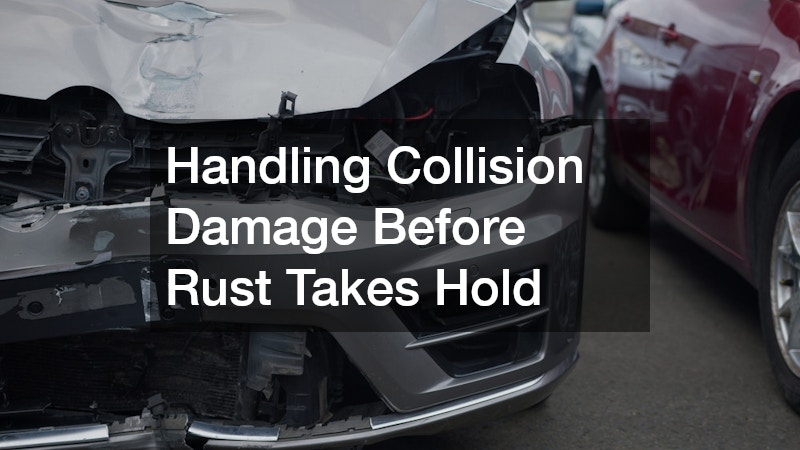
A minor fender bender might seem like a cosmetic issue, but any break in paint or metal exposes bare surface to moisture almost immediately. Getting auto body repairs done quickly after an accident is one of the most effective ways to prevent long term corrosion, since even a small scratch can become an entry point for rust within weeks if left untreated.
Insurance timelines and busy schedules often tempt people to delay repairs, but that delay is exactly when hidden rust gets its foothold. Addressing damage promptly, even if it means a temporary touch up before a full repair, can save significant money down the road.
Guarding Boats and Marine Equipment Against Saltwater Damage
Saltwater environments are especially harsh on metal, which means boat owners face a faster and more aggressive form of corrosion than most vehicle owners ever see. Constant exposure to salt spray, humidity, and fluctuating water levels means metal fittings, hulls, and hardware need more frequent inspection than equipment kept entirely on land.
The structures boats are tied to face similar challenges, and well maintained boat docks play a real role in reducing corrosion risk for the vessels moored to them. Corroded cleats, bolts, or metal supports on a dock can transfer rust particles and create abrasion points that damage a boat’s hull over time, so keeping dock hardware in good condition protects more than just the dock itself.
- Rinse hulls and metal fittings with fresh water after saltwater use
- Inspect propellers, shafts, and through hull fittings each season
- Replace corroded bolts and hardware before they weaken further
- Apply marine grade wax or coating to exposed metal surfaces
- Check dock cleats and brackets for rust that could spread to boats
Restoring Marine Vessels After Corrosion Sets In
When corrosion has already taken hold on a boat, professional attention becomes important because saltwater damage often runs deeper than it appears on the surface. Quality boat repairs typically involve grinding away compromised metal, treating the area with a rust inhibiting primer, and applying marine specific coatings designed to withstand constant moisture.
Waiting too long to address marine corrosion can compromise structural integrity in ways that affect safety, not just appearance. A vessel with rusted through hull fittings or a weakened transom needs prompt evaluation, since these components are critical to keeping the boat seaworthy.
Preventing Corrosion During Vehicle Transport
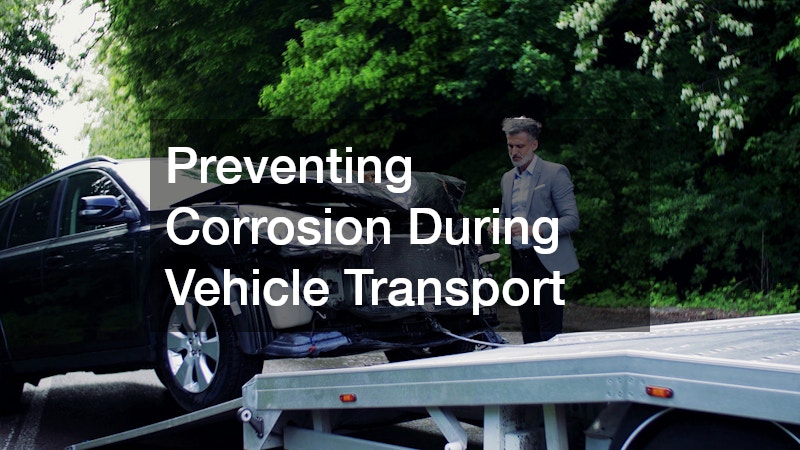
Getting a damaged or disabled vehicle moved safely matters more than people often realize when it comes to preventing further corrosion. A reliable towing company will secure a vehicle properly so that exposed metal or damaged undercarriage areas are not dragged, scraped, or left sitting in standing water during transport. Flatbed towing is generally the safer option for vehicles with existing rust damage or exposed metal, since it lifts the car entirely off the road surface rather than letting wheels roll and drag through puddles, salt residue, or debris. Traditional hook-and-chain or dolly towing can scrape already-compromised areas like rocker panels, wheel wells, and frame rails, stripping away protective coatings and opening fresh metal to moisture.
Timing matters too. A vehicle left sitting on a flooded roadside or in a low-lying lot for hours before pickup can accumulate trapped water in seams and cavities, so requesting prompt service from the towing company can make a real difference. Ask whether the flatbed has proper wheel straps and drainage-friendly positioning, since pooled water on the bed itself can seep into brake components and door seals during longer hauls. It’s also worth confirming that the towing company doesn’t store vehicles outdoors on wet or salted lots while awaiting drop-off, since idle time on contaminated ground can undo the benefit of careful transport.
Choosing dependable towing also matters after an accident, since a vehicle with a breached fuel line, cracked frame, or exposed metal panel needs careful handling to avoid making the damage worse. Dragging a damaged car onto a flatbed the wrong way, or letting it sit unsecured during transit, can scrape away protective coatings and expose fresh metal to the elements. Quick, careful transport reduces the amount of time bare metal sits exposed to rain, road salt, or humidity before it can be properly treated.
Even a few hours of exposure on a wet highway or in a salted parking lot can be enough to start surface oxidation on scratched or exposed panels. When selecting a towing service, look for a tow truck service who uses enclosed carriers or weatherproof covers in poor conditions, and knows how to secure a vehicle without adding new points of abrasion. Ask whether they can transport the vehicle directly to a body shop rather than routing it through an open storage yard, since extended outdoor storage after an accident is often where corrosion really takes hold. Every extra day spent unprotected in a lot adds risk, especially in coastal or winter climates where salt and moisture are already working against the metal.
Maintaining Fleet Vehicles to Prevent Long Term Rust Costs
Business owners managing multiple vehicles face a bigger challenge than individual car owners, since a single rust problem across a fleet can multiply into a major expense. Regular undercoating checks, prompt repair of chips and scratches, and consistent washing schedules all help keep corrosion from spreading across a fleet’s vehicles.
Branding investments are also worth protecting, since vehicles wrapped for advertising need their surfaces properly maintained to avoid trapping moisture underneath. Fleet wraps can actually help shield paint from minor abrasions, but only if the underlying metal was properly prepped and sealed before the wrap was applied, otherwise moisture can become trapped against the panel and accelerate rust from beneath.
Rust is patient, but it is not unstoppable, and the difference between a minor repair and a major structural problem usually comes down to how quickly you act. Regular inspections, prompt attention to chips and scratches, and choosing experienced professionals for repairs all add years to the life of your vehicle, boat, or equipment. Start by walking around your car, truck, or boat this week with a flashlight and a closer look at the seams and edges you normally overlook. The earlier you catch corrosion, the simpler and less expensive it is to stop for good.