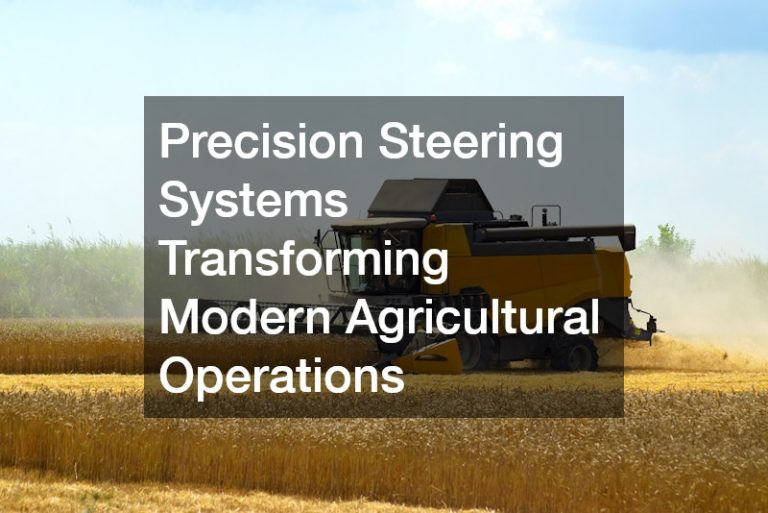
If you own rural property or manage even a modest working farm, you have probably noticed how much technology has changed the way land gets worked. Precision steering systems, once reserved for massive commercial operations, are now within reach for smaller property owners who want straighter rows, less wasted fuel, and fewer hours spent physically wrestling a steering wheel. Understanding how these systems function, what they cost, and how to evaluate equipment before buying can save you thousands of dollars and countless headaches. This guide breaks down the practical, real-world considerations so you can make a confident, informed decision.
What Precision Steering Technology Actually Does

Precision steering systems use GPS and GNSS signals combined with onboard sensors to guide a vehicle along an exact path across a field, correcting for drift caused by wind, slope, or operator fatigue. A receiver mounted on the cab picks up satellite positioning data, while a terminal in front of the operator displays the guidance line and feeds instructions to a hydraulic or electric steering motor that physically turns the wheel. Instead of relying on a person to eyeball rows or follow markers, the system calculates position within inches and makes micro-adjustments to keep the equipment on line, often dozens of times per second.
The level of accuracy depends on the correction signal used. Basic GPS alone might get a machine within a foot or two of its intended path, but adding RTK (Real-Time Kinematic) correction from a base station or subscription network tightens that to less than an inch, pass after pass, season after season. That repeatability is what allows a farmer to plant one year and spray or harvest the exact same rows the next, without re-mapping the field.
This matters for anyone planting, spraying, or harvesting, because overlap and gaps waste seed, fertilizer, and fuel every single pass. Studies and equipment manufacturers commonly cite overlap reductions of 5 to 10 percent once precision steering replaces manual guidance, which adds up quickly across hundreds or thousands of acres. Fewer gaps also mean more even crop stands and fewer missed spots that invite weeds or pests to take hold.
For property owners with even a few acres, this kind of consistency translates directly into savings and better yields over a growing season. Reducing overlap by even 5 to 10 percent can cut seed, fertilizer, and fuel costs meaningfully when applied across every pass, every season. On a 20-acre operation, that margin can add up to hundreds of dollars in input savings annually, plus the time saved from fewer corrective passes.
The technology has matured enough that it is no longer exclusive to large commercial operations, which is why more small landowners are exploring it seriously. Entry-level GPS guidance kits now cost a fraction of what they did a decade ago, and many retrofit onto existing tractors without requiring a full equipment upgrade. For anyone weighing the investment, the real question isn’t whether precision steering works, but how quickly the accuracy gains pay for the hardware on their specific acreage and crop mix.
Why Automated Guidance Matters for Smaller Properties

Many people assume automated guidance only makes sense for thousand-acre operations, but that is no longer accurate. An auto steer for tractor setup can be just as valuable on a five-acre hobby farm as it is on a commercial spread, because the core benefit is consistency rather than scale. Reducing overlap on passes means less wasted input and fewer hours spent behind the wheel making manual corrections.
These systems also reduce physical strain, which matters for property owners who are not full-time farmers and may only operate equipment occasionally. A guidance system essentially handles the tedious, repetitive steering work so the operator can focus on implement settings, obstacles, and overall field conditions.
- Reduced input overlap, which saves on seed, fertilizer, and chemical costs
- Straighter, more even rows that simplify future passes and harvesting
- Less operator fatigue during long working days
- Improved accuracy in low visibility conditions like dust or early morning fog
- Better resale value for equipment already fitted with guidance hardware
Assessing Used Equipment Before You Buy
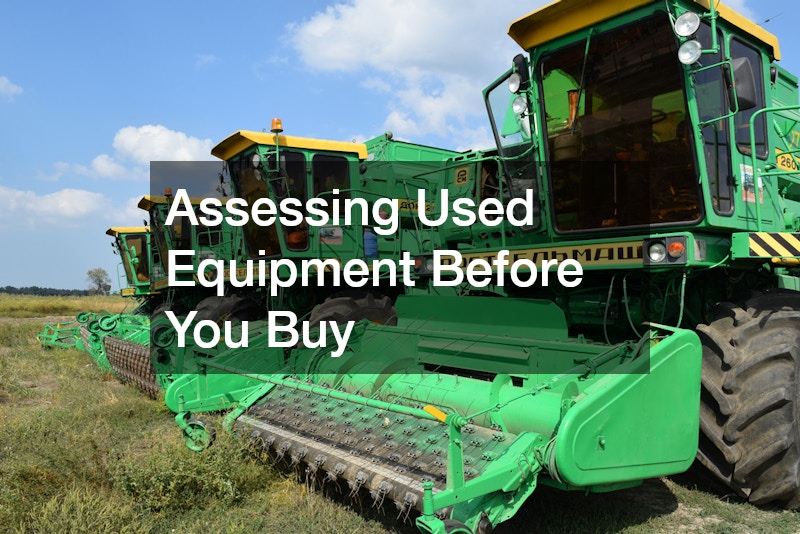
A large percentage of precision steering components sold today are used, refurbished, or pulled from retired machinery, which means buyers need to look closely before handing over money. A proper condition assessment should cover the receiver, the steering controller, wiring harnesses, and any mounting brackets, since corrosion or cracked connectors are common on older units. Ask the seller for documentation showing when the system was last calibrated and whether it has been exposed to extreme weather or long-term outdoor storage.
It also helps to physically power on the unit if possible, checking for error codes or signal dropout before finalizing a purchase. Skipping this step is one of the most common mistakes new buyers make, and it often leads to expensive surprises once the unit is already installed on a tractor.
- Check for cracked housings, water intrusion, or corrosion on connectors
- Confirm the last calibration date and firmware version
- Ask whether the unit was removed from a working machine or sat unused for years
- Test power-on function and satellite lock before purchase if possible
- Request any available maintenance or repair history from the previous owner
Finding Affordable Components Without Overspending
New precision steering hardware can run into thousands of dollars, which pushes many budget-conscious property owners toward secondhand markets. A surprising number of used receivers, displays, and even wiring kits show up at general resale outlets, and checking a local pawn shop occasionally turns up genuine finds at a fraction of retail price. These businesses often receive equipment from farm liquidations, estate sales, or equipment upgrades, and staff are usually willing to let buyers inspect items closely before committing.
That said, buying secondhand electronics always carries some risk, so it pays to negotiate a short return window or ask for a basic functionality test on-site. Comparing prices across a few different sources, including online auction sites and equipment dealers, gives a clearer sense of whether a deal is actually a bargain or simply an outdated model being cleared out.
How Manufacturing Advances Are Shaping Equipment Quality
The precision agriculture industry has benefited enormously from advances in how components are built, and robotic fabrication has become a major factor in why modern guidance hardware is more reliable than it used to be. Automated production lines allow manufacturers to produce steering actuators, sensor housings, and mounting hardware with far tighter tolerances than manual machining ever achieved. This consistency reduces the chance of premature part failure and improves how well components fit together during installation.
For the average buyer, this means newer equipment tends to be more forgiving of minor installation errors and generally lasts longer under normal field conditions. It is worth asking a dealer or seller whether a particular model was produced using modern automated methods, since this can be a useful indicator of overall build quality.
Staying Safe While Working Around Precision Equipment
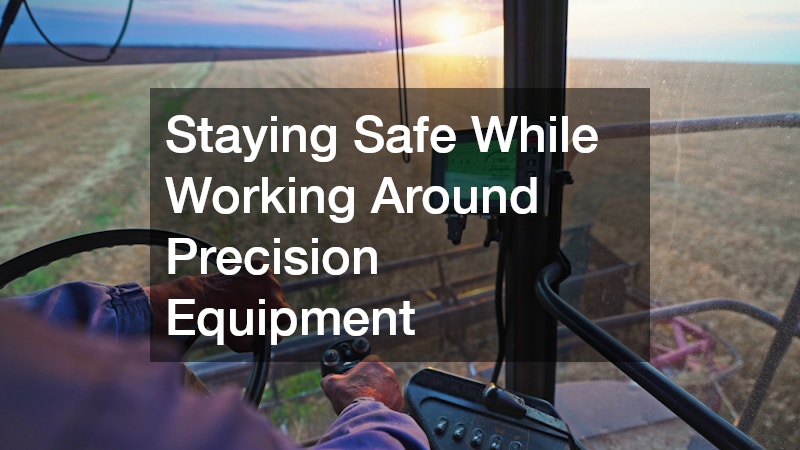
Operating and maintaining tractors equipped with guidance systems still involves plenty of hands-on work, from checking wiring under the hood to climbing on and off equipment throughout the day. Proper workwear matters more than people expect, since loose sleeves, poor traction boots, or inadequate gloves can lead to injuries around moving parts or sharp metal edges. Durable, well-fitted clothing designed for outdoor labor reduces snag hazards and keeps hands protected during routine inspections or repairs.
Weather-appropriate layering also plays a role, since property owners often work through early mornings, wet fields, or hot afternoons when installing or adjusting equipment. Investing in a few solid pieces of protective clothing is a small cost compared to the medical bills or downtime that can follow a preventable injury.
Routine Maintenance That Keeps Systems Accurate
Like any electronic system exposed to dust, vibration, and temperature swings, precision steering hardware needs regular attention to stay accurate season after season. Cables and connectors should be inspected periodically for fraying, corrosion, or loose pins, since a single intermittent connection can cause erratic steering corrections in the field. Receivers and antennas also benefit from being wiped down before each planting or harvest cycle, as dust, chaff, and moisture buildup can weaken signal reception.
It’s also worth checking mounting brackets and RTK base station alignment, since even minor shifts caused by equipment jostling can throw off positioning accuracy by inches. Many operators build these checks into a pre-season maintenance routine, alongside battery terminal inspections and wiring harness reviews.
Software updates are equally important, since manufacturers frequently release firmware improvements that fix bugs, patch security vulnerabilities, or improve satellite tracking accuracy. Scheduling updates during the off-season, rather than mid-planting, helps avoid unexpected downtime when fields are ready to work.
Skipping maintenance does not usually cause immediate failure, but it gradually degrades accuracy in ways that are easy to miss until crop rows start looking uneven or overlap errors start eating into input savings. A receiver that drifts just half an inch off calibration can compound across hundreds of acres, turning a minor oversight into a season-long yield problem.
Setting a simple seasonal checklist helps property owners catch small issues before they turn into costly repairs or recalibration jobs. Preseason checks should cover antenna alignment, cable connections, and firmware updates, while midseason attention to hydraulic fluid levels and wheel sensor wear keeps the system responding correctly during peak planting and spraying windows.
Postseason storage matters too, since dirt buildup on sensors and moisture in connectors are common culprits behind unexplained accuracy loss the following spring.
- Inspect wiring and connectors for wear, corrosion, or rodent damage before each planting season, paying close attention to junctions near the cab and hydraulic lines
- Keep antennas and receivers clean and free of debris, dust, and mud, since even minor obstructions can degrade GPS signal accuracy by several inches
- Update firmware and mapping software regularly, ideally at the start of each season and after any dealer-issued patch addressing correction signal changes
- Recalibrate after any major repair, component swap, or tire change, since even small shifts in wheel angle sensors or steering valves can throw off pass-to-pass accuracy
- Store sensitive electronics indoors during off-season months to protect displays, receivers, and control modules from temperature swings, moisture, and pests
- Check cable connections and grounding points periodically, as loose grounds are a common source of intermittent signal loss
- Keep a maintenance log noting calibration dates, firmware versions, and repairs, making it easier to spot recurring issues before they affect accuracy in the field
Weighing the Real Costs Against Long-Term Savings
Cost is often the biggest hesitation for property owners considering precision steering, and it is a fair concern since entry-level systems can range widely in price depending on age, brand, and features. However, the ongoing savings on fuel, seed, and chemical inputs often offset the upfront investment within a few growing seasons for anyone working more than a couple of acres regularly. It also helps to factor in reduced wear on tires and equipment, since straighter driving patterns put less stress on machinery over time.
Buyers should compare new versus refurbished systems carefully, since a well-maintained used unit can deliver nearly identical performance at a significantly lower price point. Getting a rough estimate of annual usage hours before buying helps determine whether a premium system is justified or whether a basic entry-level setup will do the job just as well.
Choosing a System That Fits Your Property and Goals
Not every property needs the same level of precision, so it helps to think honestly about field size, terrain complexity, and how often the equipment will actually be used. Smaller, flatter properties often do fine with simpler guidance setups, while larger or oddly shaped parcels may benefit from more advanced systems with better correction accuracy. Talking to other local property owners who already use similar equipment can provide honest, practical feedback that goes beyond manufacturer marketing claims.
It is also worth considering how compatible a system is with equipment you already own, since some guidance kits are designed to work across multiple tractor brands while others are more restrictive. Taking time to match the system to your actual needs, rather than buying the most advanced option available, usually leads to better satisfaction and fewer regrets down the road.
Precision steering technology has moved well beyond large commercial farms and is now a practical, achievable upgrade for everyday property owners looking to work smarter rather than harder. By understanding how these systems work, carefully inspecting used equipment, and budgeting realistically for both hardware and maintenance, you can make a purchase that genuinely pays off over time. Take the time to compare options, ask sellers detailed questions, and start with a system that matches your property’s actual needs rather than the most feature-heavy model available. Doing this homework now will save both money and frustration once the equipment is out in the field.