Sitting at the crossroads of major Pacific Northwest freight corridors, busy commuter highways, and the saltwater waterways of Puget Sound, Fife places unique demands on everything with wheels or a hull. Whether you commute daily through heavy regional traffic, manage a commercial trucking operation near the Port of Tacoma, or tow a family cruiser down to the boat launch on sunny weekends, your equipment faces relentless wear and tear. Persistent rain, winter road de-icers, salt air, and stop-and-go highway congestion steadily degrade mechanical components, exterior finishes, and electrical systems.
Relying on emergency Google searches when a dashboard warning light flashes or a trailer axle seizes on the shoulder is a costly way to manage your investments. Building a vetted directory of reliable regional specialists before trouble strikes protects your safety, preserves resale value, and prevents minor maintenance issues from snowballing into major downtime. Below is a practical guide to navigating the essential automotive, commercial transport, and marine services available right here in the Fife area.
How to Vet and Build a Relationship with a Trusted Garage
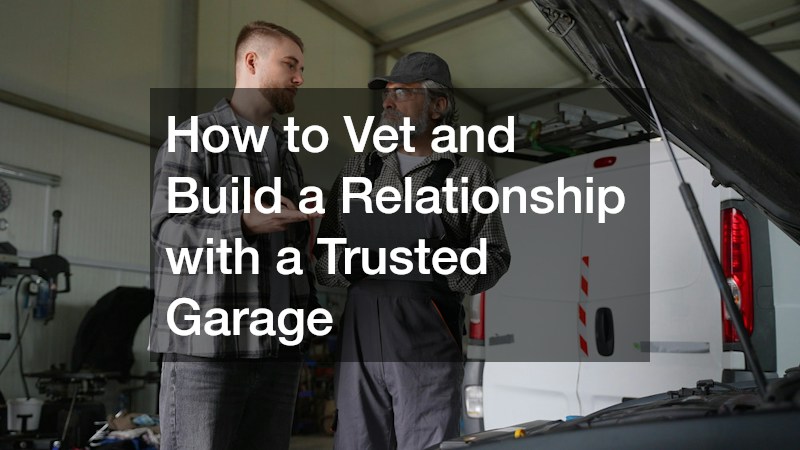
Finding a dependable repair shop is much like finding a good family doctor: you want someone who knows your vehicle’s history long before an urgent problem develops. When you establish a baseline relationship with a qualified auto mechanic during routine oil changes and seasonal checkups, technicians can spot early warning signs—like weeping seals, aging coolant hoses, or uneven tire wear—and help you budget for upcoming maintenance rather than surprising you with an unexpected breakdown.
Before handing your keys over to any local facility, take a few minutes to evaluate their professionalism, transparency, and technical credentials:
- Verify technician certifications and diagnostic tools: Look for shops employing Automotive Service Excellence (ASE) certified technicians who invest in factory-grade diagnostic computers capable of reading manufacturer-specific fault codes, not just generic check-engine lights.
- Request digital vehicle inspections (DVIs): Modern, customer-focused garages send photos and videos directly to your phone showing worn components, fluid discoloration, or frayed belts alongside technician notes so you can see the exact issue for yourself.
- Ask for itemized written estimates: Before authorizing any auto repair, confirm that the quote clearly separates parts from labor, specifies whether replacement components are Original Equipment Manufacturer (OEM) or aftermarket, and outlines the shop’s warranty coverage on both parts and workmanship.
- Check local reputation for communication: Read recent community reviews with an eye toward how a shop handles delays, unexpected discoveries during disassembly, and post-repair follow-ups rather than focusing strictly on the lowest hourly labor rate.
Warning Signs Your Stopping Power Needs Immediate Attention
Few vehicle systems work harder in Western Washington than your brakes. Between steep regional hills, slick wet pavement, and heavy rush-hour traffic along Interstate 5 and Highway 99, friction materials and hydraulic components endure intense heat and moisture year-round. If you regularly haul cargo or tow a boat trailer, your stopping system absorbs dramatically higher kinetic energy every time you slow down.
Pay close attention to sensory cues from your vehicle, as your braking system is engineered to warn you before complete failure occurs:
- High-pitched metallic squealing: Most disc brake pads feature a small metal wear indicator tab designed to scrape against the rotor when pad material drops to roughly two or three millimeters, signaling that a routine brake repair is due soon.
- Deep grinding or growling noises: If squealing progresses into a harsh grinding sound, the friction material is completely gone, and the steel backing plate is chewing directly into the brake rotor, turning a simple pad swap into a much pricier rotor and caliper replacement.
- Steering wheel vibration or pedal pulsation: Shaking felt through the steering wheel or brake pedal during deceleration usually indicates uneven rotor thickness or heat spots caused by heavy braking on long downgrades.
- A soft, spongy, or sinking brake pedal: Because brake fluid is hygroscopic—meaning it absorbs moisture from our humid Pacific Northwest air over time—old fluid can lower its boiling point or allow internal corrosion, requiring a hydraulic flush or master cylinder inspection.
- Pulling to one side under braking: A vehicle that tugs left or right when you press the pedal may have a seized caliper slide pin, a collapsed flexible brake hose, or contaminated friction surfaces.
Schedule a comprehensive auto repair service inspection every 10,000 to 12,000 miles—and always book a pre-trip check before towing a watercraft—so technicians can measure pad thickness, test brake fluid moisture levels, and inspect trailer brake controllers.
Protecting Paint, Gelcoat, and Interiors from Northwest Weather

Our mild, damp climate may spare vehicles from extreme desert heat, yet it introduces a distinct set of environmental hazards. Constant drizzle carries airborne industrial fallout and road grime onto horizontal panels, pine needles and tree sap etch clear coats, and winter magnesium chloride solutions cling to wheel wells and undercarriages. Inside the cabin or boat cuddy, trapped dampness from wet jackets and boots creates ideal conditions for mildew and musty odors.
Routine automated tunnel washes often do more harm than good, dragging grit across clear coat with stiff brushes and leaving swirl marks behind. Instead, periodic visits to experienced auto detailers provide deep restorative protection tailored to local conditions:
- Chemical and mechanical decontamination: Professionals use iron removers and fine clay bars to safely lift embedded brake dust, rail dust, and tree sap from paint and marine gelcoat without abrading the surface.
- Machine polishing and ceramic sealants: Removing oxidation and sealing exterior surfaces with high-grade polymer sealants or ceramic coatings creates a hydrophobic barrier that repels rainwater, road film, and saltwater spray while making routine washing effortless.
- Interior extraction and moisture control: Hot-water extraction, steam sanitization, and leather conditioning remove ground-in dirt and neutralise dampness before mold takes hold in carpets, headliners, and marine upholstery.
For drivers and business owners looking for long-term surface defense or visual customization, working with a local vehicle wrap service offers major practical advantages. Clear paint protection film (PPF) shields high-impact zones like front bumpers, hoods, and rocker panels from highway rock chips, while custom commercial vinyl wraps transform company vans, pickup trucks, and box trailers into durable, round-the-clock mobile advertising that also preserves the factory paint underneath for higher resale value.
Smart Budgeting and Inspections When Upgrading Your Watercraft
Living near Puget Sound and dozens of freshwater lakes makes boating one of the best ways to spend spring and summer in the South Sound. However, purchasing a vessel—whether a compact aluminum fishing skiff or a family bowrider—requires careful planning well beyond comparing showroom floor plans.
If you are researching a new boat sale in the Fife area, approach the buying process with a clear checklist covering hull suitability, trailering logistics, and total ownership costs:
- Match the hull and propulsion to your primary water: Deep-V fiberglass hulls cut smoothly through afternoon chop on Puget Sound, while welded aluminum hulls offer superior durability when beaching on rocky shorelines or launching at shallow lakes. Verify whether the outboard motor carries full manufacturer warranty support from certified local marine technicians.
- Inspect the trailer as thoroughly as the boat: Many buyers overlook the trailer until a bearing overheats on the highway. Check that the trailer’s gross vehicle weight rating comfortably exceeds the fully fueled and geared weight of the boat, and look for tandem axles, surge or electric-over-hydraulic disc brakes, and sealed oil-bath or pressurized hubs.
- Calculate the true annual operating budget: Beyond your monthly loan payment, factor in marine insurance, off-season dry storage or marina moorage, annual lower-unit gear oil changes, winterization, and required U.S. Coast Guard safety equipment such as life jackets, visual distress signals, fire extinguishers, and VHF radios.
- Insist on a pre-delivery water trial: Never finalize a purchase without running the boat on open water to verify smooth throttle response, proper plane attitude, clean bilge pump operation, and accurate readings across all helm gauges and sonar units.
Minimizing Commercial Downtime Along the Highway Corridor
Fife serves as a vital logistical nerve center for Western Washington freight, with thousands of tractor-trailers moving daily between port terminals, distribution warehouses, and interstate highways. In commercial transport, an unscheduled roadside breakdown is far more than an inconvenience—every hour a rig sits idle on the shoulder disrupts tight delivery windows, triggers detention fees, burns through a driver’s federally mandated Hours of Service, and risks cargo spoilage.
Fleet managers and independent owner-operators can dramatically cut downtime by knowing how to triage roadside failures and keeping vetted emergency contacts in every cab:
- Dispatch roadside technicians for common mechanical failures: When a truck experiences a blown air brake chamber, burst coolant hose, dead alternator, starter failure, or a forced diesel particulate filter (DPF) regeneration, calling a mobile semi repair unit brings diagnostic laptops, welding gear, and replacement parts directly to the truck’s location—eliminating the delay and expense of hauling the entire tractor-trailer to a brick-and-mortar shop.
- Know when heavy-duty recovery is mandatory: Certain catastrophic failures—such as a locked transmission, sheared axle shaft, major engine seizure, or a jackknifed trailer—cannot be safely repaired on an active highway shoulder. In those scenarios, immediately contacting a specialized semi towing operator equipped with heavy-duty underlifts and rotator booms ensures safe, compliant extraction without causing secondary drivetrain damage.
- Pre-establish commercial accounts before an emergency: Waiting on hold for credit card approvals at two in the morning wastes critical time. Setting up pre-approved service accounts and verifying 24/7 dispatch coverage along the I-5 and SR-167 corridors ensures rapid response whenever a driver calls in with trouble.
Extending Commercial Asset Lifespan and Brand Reputation
A company’s commercial vehicles are often the first physical impression customers and regulators have of the business. Beyond aesthetics, accumulated diesel soot, hydraulic fluid residue, and winter road salts aggressively corrode aluminum fuel tanks, brake lines, wiring harnesses, and suspension components. Worse yet, heavily soiled trucks and trailers attract extra scrutiny at weigh stations and during Department of Transportation (DOT) roadside inspections, where caked-on grime can obscure cracked frame rails, leaking wheel seals, or worn air lines.
Keeping commercial rigs clean in the Pacific Northwest also comes with strict environmental responsibilities. Because storm drains across Fife and surrounding Pierce County communities flow directly into local creeks, wetlands, and Puget Sound without passing through a wastewater treatment plant, washing trucks with detergents in an open parking lot can result in hefty municipal and state stormwater fines. Partnering with professional fleet washing providers solves both maintenance and compliance challenges at once:
- Closed-loop water reclamation and containment: Reputable commercial wash teams use portable wash mats, berm containment systems, and vacuum recovery units to capture all runoff, detergents, and heavy metals so zero polluted water enters municipal storm drains.
- Scheduled off-hours service: Mobile wash crews can clean tractors, box trucks, and delivery vans on your yard during evenings or weekends, ensuring your fleet starts Monday morning spotless without interrupting daily route schedules.
- Early defect detection: Regular washing strips away road film so drivers and shop technicians can easily spot fresh fluid leaks, loose lug nuts, or damaged reflective DOT tape during daily pre-trip walkarounds.
Putting Your Local Service Plan into Action

Whether you are protecting a daily commuter car, outfitting a family boat for summer fishing trips, or keeping a commercial freight fleet moving on schedule, proactive care always costs less than emergency recovery. The most reliable owners treat local service providers as long-term partners rather than last-minute phone numbers.
Take ten minutes this week to organize a simple physical and digital contact sheet stored in your glovebox, cab binder, or boat helm compartment. Include your primary general repair shop, a trusted brake and alignment specialist, a 24-hour heavy-duty or marine roadside assistance provider, and a preferred detailing or wash service. Having the right specialists lined up ahead of time means you can spend less time worrying about breakdowns and more time enjoying the roads and waterways across Fife and the South Sound. If you have any questions or would like more information, please don’t hesitate to reach out to a local auto or boat dealer. A professional auto or boat repair shop should also be able to help with any questions.