If you have ever wondered why your local car dealer suddenly has fewer models on the lot, longer wait times for a specific trim, or a lot that looks different than it did a few years ago, you are not imagining it. Global supply chain disruptions have forced dealerships to rethink nearly everything about how they receive, store, and prepare vehicles for sale. Understanding these changes can help you time your purchase better, know what questions to ask, and avoid frustration when shopping for your next car. This shift is not just a temporary blip either, it is quietly becoming the new normal for how dealer lots operate.
Why Dealer Lots Look Different Than They Used To
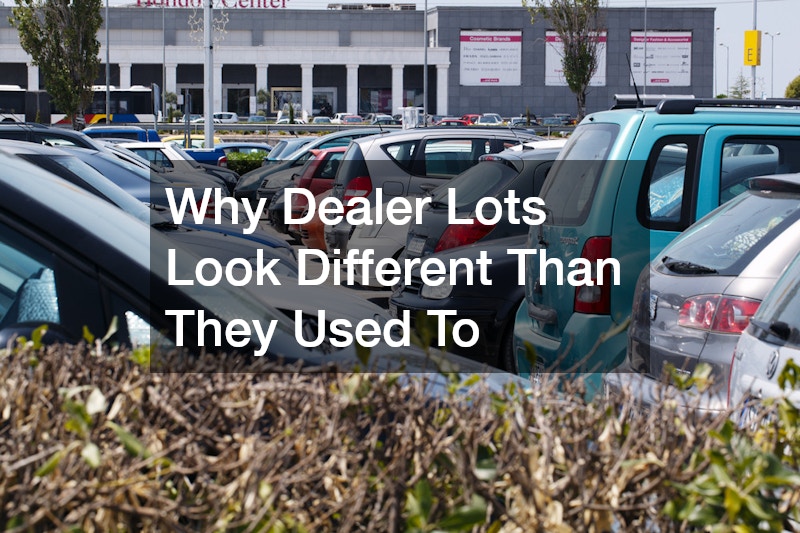
Car dealerships used to keep massive inventories sitting on their lots, with rows of vehicles ready for a buyer to drive off the same day. That model made sense when manufacturers could reliably ship new stock every few weeks, but parts shortages and delayed shipments have made that kind of overstocking risky and expensive. Many dealers now hold 20-30% less inventory on hand than they did a few years ago, relying instead on smarter, more flexible storage solutions to fill the gap.
This shift has changed what a dealer lot actually needs to accommodate. Instead of acres of finished vehicles, lots now have to manage a rotating mix of partially built cars awaiting delayed components, seasonal tires, and small parts that arrive on unpredictable schedules. Some dealerships have even started purchasing shipping containers for sale to create secure, weatherproof storage for parts, tires, and accessories that used to sit in cramped back rooms.
These containers offer an easy way to add storage without committing to a costly building expansion or long-term lease. They can be placed almost anywhere on a lot, moved if the layout changes, and locked down to protect inventory from theft or weather damage. This lets dealers free up showroom space while still keeping critical inventory close by, ready to pull the moment a delayed shipment finally arrives.
Alongside physical storage changes, dealers are also updating how they communicate availability to customers. Many lots now feature new business signs near the entrance that clearly indicate which models are in stock versus available for special order, helping shoppers avoid wasted trips. Some dealerships have gone further, color-coding these signs or adding QR codes that link directly to real-time inventory pages, so customers can check trim levels and pricing before they even walk the lot.
This shift matters because foot traffic patterns have changed. A shopper who once browsed twenty vehicles on a Saturday afternoon might now find only six on-site, with the rest available through order or dealer transfer. Clear business signs reduce the friction of that adjustment by setting expectations immediately, rather than forcing sales staff to explain shortages one customer at a time.
Sales teams have also started using digital displays and window clings that update weekly, reflecting incoming shipments and expected delivery windows. These small operational shifts reflect a much bigger industry-wide adjustment happening behind the scenes, one that blends physical space management with sharper, faster customer communication.
The Ripple Effect of Delayed Parts Shipments
When a single component, like a semiconductor chip or a wiring harness, gets stuck at a port, it can delay an entire batch of vehicles from reaching a dealership. A shortage of one $5 sensor can idle a $40,000 truck just as easily as a missing transmission, since modern vehicles rely on hundreds of interconnected parts to pass final inspection.
This has forced service departments to get creative about scheduling repairs and managing customer expectations around wait times. Many now maintain running lists of “chronic backorder” parts, flag affected repair orders at intake, and offer loaner vehicles or shuttle services to bridge the gap.
A car that once took a day to fix might now take a week, or longer, simply because a replacement part is stuck somewhere in transit. Technicians increasingly triage jobs based on parts availability rather than appointment order, sometimes pulling components from lower-priority vehicles to keep higher-priority repairs moving.
Dealers have responded by building closer relationships with regional suppliers rather than relying solely on manufacturer shipments. Some service departments now source common wear items—brake pads, filters, belts—from third-party regional distributors who can deliver within 24 to 48 hours, rather than waiting weeks for factory-specific parts. This localized approach helps reduce the impact of a single bottleneck halfway across the world.
The tradeoff is that regional sourcing works best for universal components, while OEM-specific parts like sensors, control modules, or body panels still depend on the original supply chain. Dealers are increasingly stocking these harder-to-source items in advance based on repair history data, rather than ordering reactively.
Shoppers who understand this dynamic can better anticipate realistic timelines when booking service appointments. Asking upfront whether a repair requires a dealer-specific part or a commonly stocked one can mean the difference between a same-day fix and a two-week wait.
How Dealerships Are Managing Waste and Recycled Materials
As dealerships handle more used parts, packaging, and old inventory due to slower turnover, waste management has become a bigger operational concern. Service bays alone can generate hundreds of pounds of scrap metal, cardboard, and shrink wrap each month, and that volume only grows when aging inventory sits longer on the lot awaiting reconditioning. Many dealer groups now contract with a recycling equipment service to properly process scrap metal, used batteries, and packaging materials generated during vehicle prep and repairs.
Balers, crushers, and used oil collection tanks are increasingly common additions to service departments, since compacting waste on-site reduces the number of hauling pickups needed and cuts disposal costs over time. This is not just an environmental nicety, it also helps dealers stay compliant with local regulations around hazardous waste like oil, coolant, and lead-acid batteries.
Fines for improper disposal can run into thousands of dollars per violation, so many general managers now assign a dedicated staff member to track waste logs and disposal certificates. That documentation also proves useful during manufacturer audits, which increasingly ask dealers to demonstrate sustainable operating practices.
- Old batteries, motor oil, coolant, and other fluids must be handled separately from general waste, since EPA rules classify many as hazardous material requiring licensed disposal vendors
- Cardboard and packaging from parts shipments pile up faster during supply crunches, as dealers order smaller, more frequent shipments to work around inventory shortages
- Metal scrap from bodywork repairs needs proper collection and processing, and many dealers now partner with scrap recyclers who pay for aluminum, steel, and copper by weight
- Tires pulled during service and reconditioning add another recycling stream, often requiring separate haulers licensed for rubber disposal
- Compliance with environmental codes protects dealers from costly fines, which can reach tens of thousands of dollars per violation under state hazardous waste laws
- Designating a single employee or team to track disposal logs and vendor certifications helps dealers stay audit-ready year-round
Keeping Outdoor Inventory Accessible Through the Seasons
With more vehicles sitting outdoors longer while waiting on parts or paperwork, dealerships in colder climates have had to rethink their winter readiness. A lot full of unsold inventory buried under snow is a logistical nightmare, so many dealers now schedule regular commercial snow plowing to keep aisles clear and vehicles accessible for staff and customers alike. This becomes even more important when inventory sits longer than usual due to shipping delays.
Beyond just clearing snow, dealers also need to protect vehicles from ice damage and salt buildup during extended outdoor storage. A well-maintained lot reduces the risk of accidents for both employees moving cars and customers walking around during test drives. This seasonal planning has become a bigger part of dealer operations than it used to be.
Behind the Scenes at the Service Department
Service departments have quietly become more complex operations, especially as they store more perishable and temperature-sensitive supplies. Many shops now depend on commercial refrigeration units to store certain fluids, adhesives, and specialty products that degrade if exposed to temperature swings. This matters more now because supply delays mean dealers often stock up in bulk when shipments do arrive, rather than ordering small quantities as needed.
Having reliable refrigeration also supports break rooms and employee areas, which matters for staff retention during a labor market that is already stretched thin. A dealership that invests in proper facility infrastructure tends to run more efficiently overall. These behind-the-scenes details rarely get noticed by customers but directly affect how quickly your car gets serviced.
On-Site Repairs and Equipment Maintenance
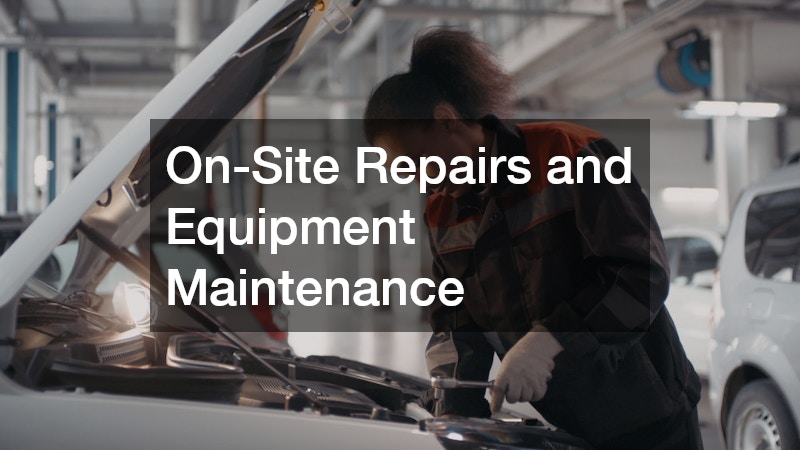
With replacement parts harder to source, dealerships are leaning more on repair rather than replacement for certain equipment and vehicle components. Some service centers now bring in a mobile welding service to handle frame repairs or metal fabrication work directly on site rather than shipping vehicles elsewhere. This flexibility saves time and reduces the need to wait on backordered replacement panels.
On-site repair capability also extends to lot equipment like car lifts, transport trailers, and storage racks that keep the whole operation running smoothly. When a piece of equipment breaks down, waiting weeks for a factory replacement is no longer realistic given current shipping timelines. Having local repair options has become a practical necessity rather than a luxury.
Powering the Shift Toward Electric Vehicle Sales
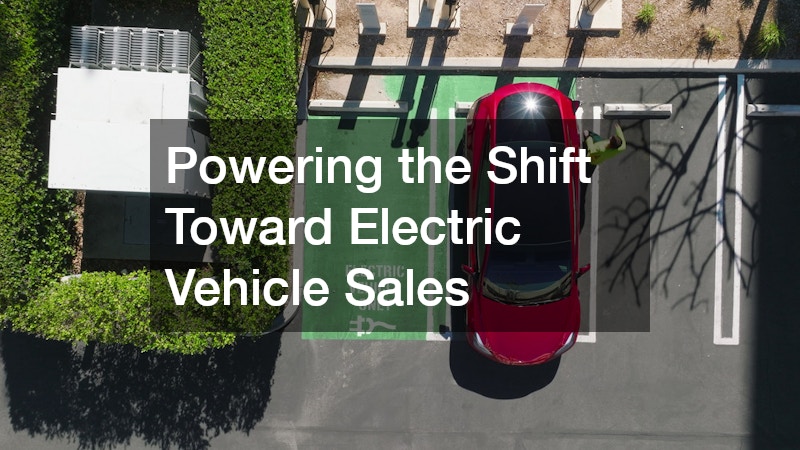
As more electric vehicles enter dealer lots, the infrastructure needed to support them has become a real logistical challenge, especially amid equipment shortages. Installing charging stations requires significant electrical work, and dealers increasingly rely on a licensed commercial electrician service to handle the wiring, panel upgrades, and permitting involved. Delays in sourcing charging hardware have only added pressure to get this infrastructure right the first time.
Beyond charging stations, dealer facilities also need updated electrical capacity to support diagnostic equipment and battery servicing tools for EVs. This is a significant shift from traditional service bay setups designed decades ago for gasoline vehicles only. Shoppers interested in EVs should know that not every dealership is equally equipped yet to support this transition.
Facility Upkeep During Extended Inventory Storage
When vehicles sit longer on dealer lots due to shipping delays, the buildings themselves see more wear from increased foot traffic and extended operating hours. Roof leaks or damage can quickly become a bigger problem when showrooms are staying open longer to accommodate flexible delivery schedules. Many dealer groups now work with residential and commercial roofing contractors to keep their buildings weatherproof and protect both inventory and equipment stored inside.
A well-maintained facility also protects sensitive paperwork, computer systems, and diagnostic tools from water damage during storms. Preventative roof maintenance is far less costly than dealing with emergency repairs after a leak damages inventory. This kind of proactive facility care has become part of a broader effort to keep operations resilient during unpredictable supply periods.
Moving Heavy Equipment and Oversized Loads
Some dealerships have had to get creative with how they receive and position large shipments, especially when storage containers or oversized equipment arrive unexpectedly. Larger dealer groups sometimes bring in crane services to lift and position heavy shipping containers, generators, or bulk storage units that would otherwise be impossible to move by hand. This has become more common as dealers expand their storage footprint to compensate for inconsistent parts deliveries.
Proper equipment handling also matters for safety, since improperly moved heavy loads can damage vehicles, pavement, or nearby structures. Planning ahead for these logistics helps dealerships avoid costly accidents during busy receiving periods. It is one more example of how supply chain pressure is changing daily operations in ways most customers never see.
Refreshing Dealer Appearance Amid Operational Changes
With so many operational shifts happening internally, many dealerships are also investing in updated exteriors to maintain a professional appearance for customers. Hiring a commercial painting contractor to refresh building exteriors, parking lot markings, and interior showroom walls helps dealers project stability even when inventory levels fluctuate. A clean, well-maintained appearance can reassure customers that a dealership is financially healthy despite industry-wide supply challenges.
Regular exterior upkeep also protects buildings from weather damage over time, extending the lifespan of the facility itself. This is a relatively small investment compared to the cost of inventory delays, but it plays a real role in customer perception. Dealers who maintain their appearance tend to build more trust with shoppers navigating an already stressful car-buying process.
Supply chain bottlenecks have changed far more about car dealerships than most shoppers realize, from how vehicles are stored to how service departments operate day to day. Knowing what is happening behind the scenes can help you set realistic expectations, ask better questions, and choose a dealership that has adapted well to these challenges. The next time you visit a lot, take a moment to notice these operational details, they often reveal how well a dealership is truly managing today’s unpredictable market.