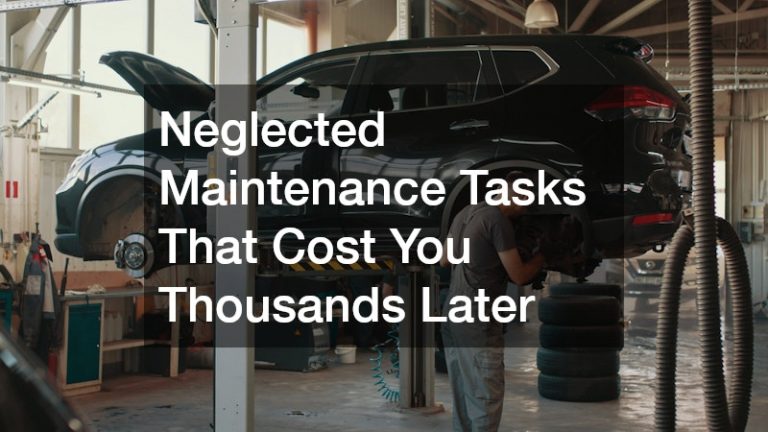
Most car owners do not think about maintenance until something breaks down on the side of the road. Skipping small, routine services feels harmless in the moment, but those gaps compound into engine damage, tire blowouts, and repair bills that can run into the thousands.
This guide walks through the maintenance tasks people put off most often, why they matter, and what it actually costs when they get ignored for too long. Understanding these risks now can save you from an expensive surprise later.
Skipping Regular Oil Changes
Engine oil is the single most important fluid keeping your vehicle alive, yet it is also the maintenance item drivers postpone most frequently. When oil breaks down, it stops lubricating properly and allows metal components to grind against each other, which leads to overheating and premature engine wear. A simple oil change costs a fraction of what an engine replacement runs, making this one of the clearest examples of a small task preventing a massive expense.
Many drivers assume synthetic oil means they can stretch the interval far beyond what their manual recommends, but every engine still has limits. Waiting too long between services allows sludge to build up inside the engine, clogging passages and reducing oil flow to critical parts. Staying on schedule is one of the cheapest forms of insurance you can give your vehicle.
- Most vehicles need service every 5,000 to 7,500 miles, though some synthetic blends stretch further
- Dark, gritty oil on the dipstick is a sign you have waited too long
- A dashboard oil warning light means immediate action, not a delay until next payday
- Consistent service history also helps resale value down the road
Ignoring Warning Signs From Your Dashboard

Toyota owners often trust their vehicles to run reliably for years without issue, which sometimes leads to dismissing early warning lights as minor glitches. A check engine light, a shuddering transmission, or a subtle change in acceleration can point to a problem that is still cheap to fix if caught early. Working with a Toyota auto repair specialist who understands the specific quirks of these models means problems get diagnosed correctly the first time instead of through expensive trial and error.
Generic repair shops sometimes replace parts that are not actually the source of a Toyota-specific issue, which wastes money and delays the real fix. A specialist familiar with common failure points in these engines and transmissions can often spot patterns that a general mechanic would miss. This kind of targeted expertise pays for itself when it prevents a misdiagnosis from turning into a repeat repair bill.
Delaying Repairs on Pickup and Commercial Trucks
Trucks carry heavier loads and endure more stress on their suspension, brakes, and drivetrain than a standard passenger car, which means neglected maintenance shows up faster and hits harder. A worn brake pad on a truck hauling a trailer is a far more serious risk than the same wear on a sedan, since stopping distances increase dramatically under load. Scheduling truck repair at the first sign of unusual noise or vibration prevents a minor fix from cascading into transmission or axle damage.
Owners who use their trucks for work often push off repairs because taking the vehicle out of service costs them income, but this thinking backfires when a small issue turns into a breakdown during a job. Suspension components, in particular, wear unevenly when a truck is regularly overloaded, and ignoring the early signs shortens the life of tires and steering components too. Catching these problems early keeps the truck reliable and avoids the far larger expense of emergency repairs.
Overlooking Golf Cart Battery and Brake Care
Golf carts feel low stakes compared to a car, so many owners let basic upkeep slide for years without a second thought. Batteries lose capacity faster when they are left to discharge fully or sit uncharged for long stretches, and replacing a full battery bank costs significantly more than simply maintaining proper charging habits. Routine golf cart service also covers brake adjustment and tire pressure, both of which affect safety on hilly terrain or wet grass.
- Check water levels in lead-acid batteries monthly during heavy use season
- Clean corrosion off battery terminals to maintain a strong charge
- Have brakes inspected at least once a year, more often for commercial or resort use
- Store the cart with a partial charge if it will sit unused for weeks
Riding on Worn or Mismatched Tires
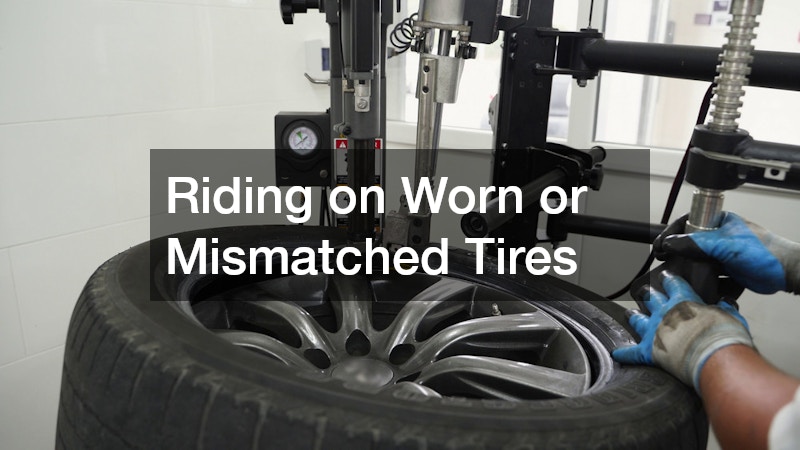
Tires are one of the few parts of a car that touch the road, yet they are often the last thing drivers think to inspect. Bald tread reduces grip in rain and snow, increasing stopping distance and the likelihood of a skid, while unevenly worn tires can signal alignment or suspension problems that will only get more expensive if ignored. Many budget-conscious drivers turn to used car tires as a way to replace worn rubber without paying full price for a new set, and this can be a smart choice as long as the tires are inspected for age, tread depth, and internal damage before installation.
A reputable seller will check for dry rot, sidewall bulges, and uneven wear patterns that indicate a tire is not safe to reuse. Buying used tires blindly from an unknown source, on the other hand, can introduce hidden risks that cost more in the long run through blowouts or another premature replacement. Rotating tires regularly, regardless of whether they are new or used, also extends their lifespan and helps you catch developing issues before they become dangerous.
Trusting the Wrong Shop With Diagnostic Work
Not every repair shop has the training or equipment to accurately diagnose modern vehicles, which are now packed with sensors and computer systems far more complex than cars from a decade ago. A check engine light alone can point to dozens of possible causes, and without a proper diagnostic scan tool, a shop is essentially guessing. Experienced auto mechanics rely on this equipment rather than trial and error, and that distinction matters because a misdiagnosed problem often leads to replacing parts that were never broken in the first place. Consider a common scenario: a failing oxygen sensor can mimic the symptoms of a bad catalytic converter. A shop without proper diagnostics might replace the converter first, a repair that can cost $1,000 to $2,500, when a $200 sensor was the actual culprit. Multiply that kind of error across transmission issues, electrical faults, or emissions problems, and the wasted expense adds up fast.
It’s worth asking any shop upfront whether they use OEM-level diagnostic software or generic code readers, since the difference in accuracy can be significant. Shops that invest in ongoing technician training and updated equipment are generally better equipped to catch the root cause the first time. Choosing a shop based on reputation and transparency, rather than just the lowest quote, tends to save money over the life of the vehicle.
A trustworthy shop will walk you through what a scan tool found, explain the likely cause in plain language, and give you a written estimate before starting work. A check engine light might trigger a dozen possible codes, from a loose gas cap to a failing catalytic converter, and a good technician confirms the actual cause with follow-up testing rather than swapping parts and hoping. If a shop can’t explain why they’re replacing a $600 sensor instead of testing it first, that’s worth questioning. Shops that skip this step or push unnecessary add-ons are a red flag worth taking seriously.
Watch for pressure tactics like insisting a fuel injection cleaning or transmission flush will fix an unrelated electrical problem, or refusing to show you the actual diagnostic readout. A legitimate diagnostic fee, often $100 to $150, should come with real findings attached, not just a guess and a parts invoice. Building a relationship with a shop you trust also means they get to know your vehicle’s history, which speeds up future repairs. A technician who’s serviced your car for years will recognize recurring issues faster and may catch a developing problem during a routine oil change before it becomes a breakdown. That familiarity also means they’re less likely to recommend work your car doesn’t need, since their reputation with you matters more than a single invoice.
Protecting Your Vehicle Interior From Sun Damage
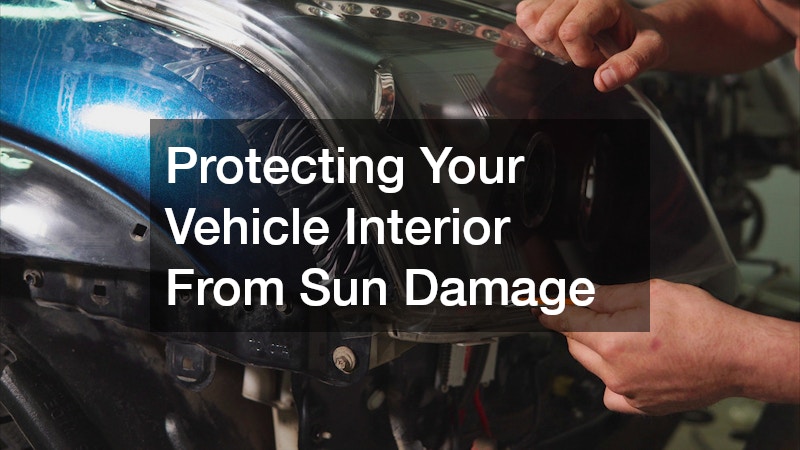
Sun exposure does more damage to a vehicle than most owners realize, fading upholstery, cracking dashboards, and raising interior temperatures to levels that stress electronics and battery-powered accessories. Professional window tinting blocks a significant portion of UV rays, which slows this kind of cosmetic and functional deterioration considerably. Beyond comfort, reducing glare through tinted windows can also lower the risk of driver fatigue on long trips.
Many drivers wait until cracked leather or a faded dashboard becomes an eyesore before considering protective measures, but by then the damage is already done and difficult to reverse. Investing in quality window tinting services early in a vehicle’s life protects resale value and keeps the cabin more comfortable in extreme heat. It is a relatively small upfront cost compared to replacing sun-damaged upholstery or dashboard components later.
Reacting to a Roadside Breakdown Without a Plan
A breakdown on the highway is stressful enough without also scrambling to figure out who to call, and drivers without a plan often end up paying inflated emergency rates or accepting the first offer that comes along. Knowing a reliable towing company ahead of time and understanding roughly what a fair rate looks like for your area prevents that kind of pressured decision-making. It also means your vehicle gets moved somewhere safe instead of sitting exposed to further damage or theft.
Being prepared also includes knowing your vehicle’s approximate weight and whether it needs flatbed transport, since not every service can handle larger trucks or all-wheel-drive vehicles safely. Keeping a card or app saved with a trusted provider means one less decision to make during an already stressful moment. A little preparation here turns a roadside emergency into a manageable inconvenience instead of a costly mistake.
Deciding When a Repair Bill Is Not Worth Paying
Every vehicle eventually reaches a point where repair costs outweigh what the car is actually worth, and recognizing that moment saves owners from throwing good money after bad. A common rule of thumb is the 50% test: if a single repair estimate exceeds half the car’s current market value, it’s usually smarter to walk away than to pay. A transmission replacement or major engine repair on an older vehicle with high mileage can easily run $3,000 to $5,000, often more than the car’s resale value, which makes continuing to invest in it a losing proposition.
Beyond the sticker price of the repair itself, owners should weigh a few other factors before committing. Consider whether the same system is likely to fail again soon, whether the car has other aging components waiting in the wings, and how many miles are realistically left on the odometer. A $2,000 repair on a car with 220,000 miles rarely makes sense, even if the car “runs fine” afterward, because another costly failure is often just months away. At this stage, exploring cash for junk cars options can turn a vehicle that would otherwise sit as a financial drain into immediate funds toward something more reliable. Many junk car buyers will pick up non-running vehicles within a day or two, often paying based on weight and salvageable parts rather than requiring the car to be in working condition. That quick payout, even if modest, is usually a better outcome than sinking another repair bill into a car that’s already on borrowed time.
The classic rule of thumb is the 50% test: if a single repair costs more than half the car’s current market value, it’s usually smarter to walk away. Another useful benchmark is comparing the repair estimate against what you’d spend over the next 12 months on payments for a different vehicle. If a $2,500 transmission repair is being poured into a car worth $3,000 on the used market, that money is rarely coming back to you. Age and mileage matter too. A car past 150,000 miles that needs a major component replaced — like a head gasket or a transfer case — is a candidate for retirement, since one fix rarely means the last one; other systems near the same age are likely to fail soon after. Getting multiple quotes before accepting an offer ensures you are paid fairly for the scrap and salvageable parts, since prices can vary significantly between buyers — it’s not unusual to see a $200-$500 swing on the same vehicle depending on demand for its parts.
This route also saves the hassle and expense of trying to sell a broken-down vehicle privately, where buyers often lowball or back out after inspection, and where you may end up paying for towing or storage while it sits unsold. Knowing when to walk away from repairs is just as important as knowing when to invest in them. A quick gut-check before committing to any big-ticket repair: get a second opinion from an independent mechanic, check what comparable running vehicles sell for locally, and factor in any looming repairs an inspection may have flagged. If the math doesn’t clearly favor fixing it, it usually isn’t worth the fight.
Conclusion
Neglected maintenance rarely announces itself loudly at first, but the costs it creates down the road are real and often avoidable. Staying proactive with routine service, choosing the right specialists for your vehicle, and knowing when to repair versus walk away are all decisions that protect your wallet over time. Start by reviewing your own maintenance history against the tasks covered here, and schedule whatever you have been putting off before it becomes a bigger problem.