
An active lifestyle can involve much more than commuting between home and work. Many people regularly travel for recreation, manage equipment for seasonal activities, maintain multiple vehicles, attend events, or spend weekends exploring new destinations. With so many transportation needs, choosing the right vehicles, services, and equipment can make daily routines easier and recreational plans more enjoyable.
The best transportation solutions often depend on how a person spends their time. Someone who enjoys camping may prioritize recreational vehicles, while another person may need equipment for winter property maintenance. Families may want convenient transportation for vacations, and outdoor enthusiasts might occasionally rent specialized vehicles rather than purchasing them.
Understanding the different options available can help people make better decisions about purchasing, maintaining, storing, upgrading, and renting vehicles.
Match Transportation Choices to Your Routine

Before purchasing a vehicle or investing in specialized equipment, consider how frequently it will actually be used. A vehicle that makes sense for daily transportation may not be the best choice for occasional recreation, and equipment needed only a few weekends each year may be more economical to rent.
Start by considering your typical activities throughout the year. Think about commuting, family trips, outdoor recreation, property maintenance, vacations, and special events. Seasonal changes should also be considered because transportation needs can change significantly between summer and winter.
Storage, maintenance costs, fuel consumption, insurance, and expected mileage can influence the total cost of ownership. Looking beyond the purchase price helps determine whether buying, renting, or upgrading an existing vehicle makes the most sense.
People with several interests may ultimately use a combination of transportation solutions. A primary vehicle might handle daily driving, while recreational vehicles or rentals are reserved for vacations and weekend activities.
Prepare for Changing Seasonal Conditions
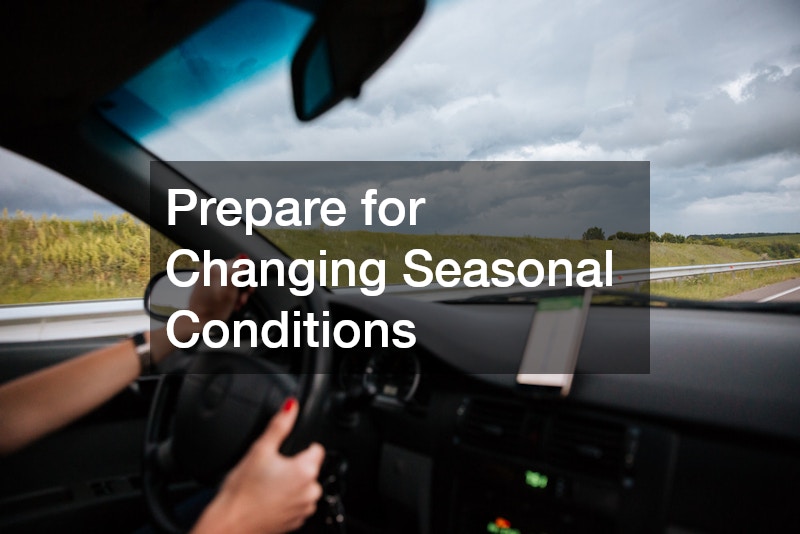
People living in areas with significant snowfall often need vehicles that can handle difficult winter conditions. Four-wheel drive, winter tires, emergency supplies, and appropriate maintenance can make seasonal driving safer and more manageable.
Property owners may also need equipment to keep driveways, parking areas, or private roads usable. Snow plows can be installed on compatible trucks or utility vehicles to make clearing accumulated snow more efficient.
Before purchasing winter equipment, verify that the vehicle has the necessary payload capacity, electrical system, suspension, and mounting configuration. A plow that is too heavy can put unnecessary stress on the front suspension and drivetrain.
Maintenance should continue throughout the winter. Plow blades, hydraulic systems, electrical connections, and mounting hardware should be inspected periodically. Salt and road treatments can accelerate corrosion, so cleaning equipment after storms can also help preserve its condition.
Planning ahead is especially important because demand for winter equipment often increases once the first major storm arrives.
Make Short Trips More Convenient
Not every trip requires a full-size passenger vehicle. In certain communities, resorts, recreational properties, campuses, and large private properties, smaller vehicles provide an efficient way to travel short distances.
Golf carts have expanded well beyond their traditional use on golf courses. Depending on local regulations, they may be used in residential communities, campgrounds, event venues, vacation properties, warehouses, and other controlled environments.
People considering one should evaluate passenger capacity, battery range, charging requirements, storage space, and terrain. Electric models are popular because they are quiet and relatively simple to operate, while other configurations may be better suited to longer distances or demanding conditions.
Local laws are also important. Some municipalities allow properly equipped carts on certain public roads, while others restrict their use to private property. Owners should understand registration, lighting, seat belt, insurance, and speed requirements before using one outside private areas.
Customize Smaller Vehicles for Better Performance
A basic recreational vehicle may work well initially, but owners often discover features that would make it better suited to their routines. Golf cart upgrades can improve comfort, appearance, storage capacity, lighting, suspension, or performance.
Common modifications include upgraded seats, weather enclosures, storage compartments, mirrors, lighting systems, wheels, tires, suspension components, and charging equipment. Owners who use their carts on uneven property may prioritize ground clearance and durable tires, while those using them around a neighborhood may care more about comfort and lighting.
Battery upgrades can also be useful for electric models that regularly travel longer distances. However, electrical modifications should be compatible with the vehicle’s charging system and controller.
Before making extensive changes, owners should consider whether modifications could affect warranties or local road-use requirements. The goal should be to improve usefulness without compromising reliability or safety.
Keep Everyday Vehicles Dependable
Even people with recreational equipment generally rely on a car, SUV, van, or truck for most daily transportation. Routine maintenance is therefore one of the most important aspects of maintaining an active lifestyle.
Reliable auto repair services can help address routine maintenance as well as unexpected mechanical problems. Oil changes, tire rotations, brake inspections, battery testing, cooling system maintenance, and fluid checks can reduce the likelihood of breakdowns.
People who frequently take long trips may want to schedule inspections before traveling. Tires should have adequate tread and correct pressure, fluids should be checked, and unusual noises or warning lights should be investigated.
Keeping basic records can also make maintenance easier. Tracking dates, mileage, repairs, and replaced components helps owners identify when future service will be needed.
Preventive maintenance may require some time and expense, but it can be less disruptive than dealing with a mechanical failure while traveling.
Extend the Useful Life of Heavy-Duty Vehicles
Diesel trucks and other heavy-duty vehicles are often used for towing, hauling, commercial work, or recreational activities. Because these vehicles may accumulate substantial mileage, major mechanical repairs eventually become a consideration.
In some situations, installing a remanufactured diesel engine may provide an alternative to replacing an entire vehicle. A remanufactured engine has typically been disassembled, inspected, cleaned, and rebuilt with components replaced or restored according to specified tolerances.
Whether this option makes financial sense depends on the condition of the rest of the vehicle. A truck with a solid transmission, frame, suspension, and body may justify a major engine investment. A vehicle with numerous other mechanical problems may not.
Owners should ask about warranties, testing procedures, included components, installation requirements, and compatibility before purchasing replacement equipment.
Regular diesel maintenance remains important after installation. Oil quality, cooling systems, fuel filters, injectors, and emissions equipment can all affect engine longevity.
Make Recreational Travel More Flexible
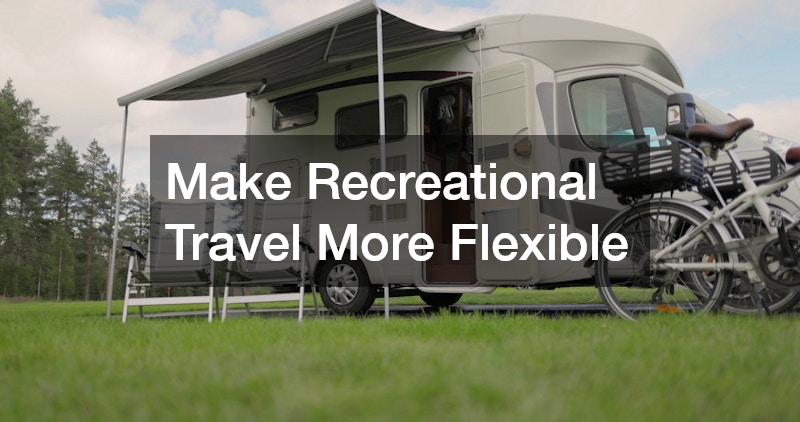
Road trips become very different when travelers can bring sleeping accommodations, cooking facilities, storage, and other conveniences with them. Recreational vehicles can make extended travel more flexible for families, retirees, outdoor enthusiasts, and people who regularly visit campgrounds.
Choosing an rv dealership is an important step when shopping for a motorhome, travel trailer, fifth wheel, or other recreational vehicle. Buyers should compare available inventory, service capabilities, warranties, financing options, and long-term support rather than focusing only on the initial price.
The right type of RV depends on towing capacity, family size, travel frequency, preferred destinations, and comfort expectations. A smaller trailer may be ideal for weekend camping, while frequent travelers may prefer larger models with additional storage and living space.
First-time buyers should also budget for expenses beyond the purchase itself. Insurance, campground fees, maintenance, fuel, storage, tires, batteries, and accessories can contribute significantly to ownership costs.
A realistic understanding of these expenses makes it easier to select an RV that fits both a travel style and a household budget.
Rent Equipment for Occasional Adventures
Some recreational vehicles are exciting to use but difficult to justify purchasing if they are needed only occasionally. Renting provides access to specialized equipment without the responsibilities of long-term storage, maintenance, insurance, and depreciation.
An atv rental can be a practical choice for travelers who want to explore trails, backcountry areas, dunes, or designated recreation zones during a vacation. Rental businesses may provide helmets, operating instructions, trail information, and vehicles appropriate for local terrain.
Before renting, drivers should understand age requirements, deposit policies, insurance coverage, fuel expectations, and damage rules. They should also ask whether the vehicle can be transported elsewhere or must remain within a designated riding area.
Experience level matters as well. New riders should select terrain and vehicles appropriate for beginners rather than choosing equipment based solely on speed or engine size.
Following local trail rules protects both riders and the environment while making recreational areas safer for everyone.
Choose Professional Transportation for Special Occasions
An active lifestyle does not always mean driving yourself. Weddings, concerts, sporting events, corporate gatherings, and celebrations sometimes become easier when transportation is arranged in advance.
Limousine transportation services can reduce concerns about parking, coordinating several vehicles, or determining who will drive. Groups can travel together while allowing passengers to focus on the event rather than transportation logistics.
When choosing a provider, consider vehicle capacity, scheduling policies, cancellation terms, pricing structure, and pickup arrangements. Confirming the exact number of passengers can prevent problems with vehicle size.
People should also establish a realistic itinerary. Trying to schedule several stops without enough travel time can create unnecessary stress. Allowing additional time for traffic, passenger loading, and parking congestion helps the schedule remain manageable.
Professional transportation is particularly useful when several people are attending the same destination from one meeting point.
Simplify Travel to and From Airports
Airport transportation presents its own challenges. Travelers have to account for traffic, parking, luggage, security lines, and possible flight changes. Planning ground transportation before departure can eliminate one major source of uncertainty.
Booking an airport limo may be useful for travelers who want scheduled pickup and direct transportation without leaving a personal vehicle at an airport parking facility.
When making arrangements, travelers should provide the correct airport, airline, flight number, departure or arrival time, and number of passengers. Luggage volume matters because several large suitcases can require a larger vehicle even when the passenger count is small.
For arriving passengers, ask how the provider handles flight delays and where the driver will meet passengers. Airports may have designated commercial pickup zones that differ from standard passenger pickup areas.
Travelers leaving for the airport should build enough time into the schedule for traffic and security. Ground transportation cannot eliminate every travel delay, but careful planning can reduce the number of variables.
Create Appropriate Storage at Home
Owning vehicles and recreational equipment also creates storage challenges. Cars, trucks, motorcycles, carts, tools, trailers, and seasonal accessories all require protected space.
Well-maintained garage doors help secure vehicles while allowing convenient daily access. A malfunctioning door can become more than an inconvenience when a vehicle is trapped inside or valuable equipment cannot be secured properly.
Homeowners should periodically inspect rollers, tracks, springs, cables, sensors, weather seals, and opening systems. Because springs and other components operate under significant tension, certain repairs should be handled by trained professionals.
Garage organization also makes a difference. Wall-mounted shelving, ceiling storage, tool cabinets, and designated equipment areas can create more usable vehicle space.
Measure the garage carefully before buying oversized vehicles or recreational equipment. Height is especially important for lifted trucks, roof racks, RV accessories, or other modifications that may increase clearance requirements.
Plan Maintenance Around the Calendar
People who own several vehicles or pieces of recreational equipment can easily lose track of maintenance schedules. Creating a simple annual calendar can prevent important tasks from being overlooked.
Spring may involve preparing recreational vehicles, replacing batteries, checking tires, and inspecting camping equipment. Summer may require additional cooling-system attention because vehicles operate in higher temperatures.
Autumn is a good time to prepare winter equipment, test batteries, install appropriate tires, and inspect snow-removal equipment. Winter may involve corrosion prevention, cold-weather fluid checks, and additional tire monitoring.
Maintenance should also be based on mileage and usage rather than dates alone. A recreational vehicle that travels thousands of miles during one summer may need service sooner than a lightly used vehicle of the same age.
Keeping receipts and maintenance records in one location can simplify future repairs and may improve resale value by showing that equipment was properly maintained.
Balance Ownership With Renting
One of the most useful decisions an active household can make is determining what is worth owning.
Frequently used vehicles generally make sense to purchase because regular use spreads the cost over many trips. Specialized equipment may be better rented when it is needed only occasionally.
Storage availability also affects the decision. Recreational vehicles, trailers, and equipment can require substantial space. Some communities have restrictions on outdoor vehicle storage, which may require owners to pay for off-site facilities.
Maintenance should be included in the calculation. Even equipment that is rarely used can require batteries, tires, fluids, registration, and periodic repairs.
Renting can provide variety and flexibility, while ownership offers convenience and familiarity. Neither approach is automatically better. The right choice depends on usage frequency, budget, available storage, and personal priorities.
Build a Transportation Setup That Supports Your Lifestyle

Transportation should make an active lifestyle easier rather than creating additional complications. That may mean maintaining one dependable daily vehicle, renting recreational equipment when needed, investing in specialized seasonal tools, or arranging professional transportation for specific trips.
Think of transportation as a complete system rather than a collection of individual vehicles. Consider where equipment will be stored, how it will be maintained, how frequently it will be used, and whether alternatives such as rentals or professional transportation could be more efficient.
Planning ahead can also prevent rushed purchases. Seasonal equipment can be researched before harsh weather arrives, recreational vehicles can be compared before vacation season, and maintenance can be scheduled before long-distance travel.
A practical transportation strategy gives people the flexibility to commute, travel, explore, maintain property, and participate in recreational activities without unnecessary logistical problems. By choosing vehicles and services according to actual needs, active individuals and families can spend less time dealing with transportation difficulties and more time enjoying the activities that matter to them.