A car that drifts to one side the moment you let go of the wheel is not just annoying, it is a warning sign your steering and suspension system is out of balance. Ignoring it can lead to uneven tire wear, higher fuel costs, and a harder time controlling your vehicle in an emergency. This guide breaks down what causes the pull, how to spot early warning signs, and when it is time to get your wheels checked by a professional.
Identifying the Difference Between Pulling and Drifting
Many drivers use “pulling” and “drifting” interchangeably, but they point to different mechanical issues. A pull is a strong, consistent force to one side that you feel through the steering wheel, often noticeable at any speed. Drifting tends to happen gradually and may only show up on a flat road with no wind, making it easier to overlook until it worsens.
- Pulling usually points to alignment, tire, or brake issues
- Drifting can be related to road crown or tire pressure differences
- Test on a straight, flat road with light traffic to isolate the cause
- Note whether the pull happens under braking, acceleration, or steady speed
Common Culprits Behind a Sideways Steering Wheel
Several mechanical issues can cause your car to pull, and identifying the right one saves time and money at the shop. Uneven tire pressure is the most common and easiest fix — even a difference of 3-5 PSI between the left and right tires can cause a noticeable pull toward the side with lower pressure. Check all four tires monthly with a gauge, since visual inspection alone rarely catches this issue. Worn suspension components are another frequent culprit, particularly bad ball joints, worn control arm bushings, or a failing strut. These parts wear unevenly over time, especially if you frequently drive on rough roads or carry heavy loads, and the resulting play in the suspension lets one wheel sit at a slightly different angle than the other. A sticking brake caliper can create the same pulling sensation, but usually with an added clue: the car may pull harder when you brake, and you might notice one front wheel or tire running hotter than the other after a drive. This happens because the caliper isn’t fully releasing, so that wheel is essentially being dragged. A bent wheel rim or damaged tire belt can also throw off balance in ways that mimic alignment trouble. Hitting a deep pothole or curb hard enough to bend a rim, even slightly, is enough to introduce a wobble or pull that no amount of alignment adjustment will fix. Similarly, a separated or shifted steel belt inside a tire creates an uneven contact patch with the road, producing a pull that will persist even after a proper alignment.
It helps to rule out the simple explanations before assuming the worst. Check tire pressure across all four tires first, since even a five-pound difference between the left and right sides can cause a noticeable pull. Grab a tire gauge and check when the tires are cold, comparing your readings against the numbers on the driver’s door jamb sticker rather than the ones printed on the tire itself. While you’re down there, take a look at the tread. Uneven wear patterns, like one tire being noticeably balder than its counterpart on the same axle, or cupping and feathering along the edges, can point to a slow leak, an alignment problem, or a worn suspension component rather than pressure alone. Also check for mismatched tires. A pull can show up simply because the tires on one side have different tread designs, brands, or even different remaining tread depth than the other side, which changes how each side grips and rolls. If pressures are even, tread looks uniform, and the pull persists, the issue likely lies deeper in the steering or suspension system, pointing toward worn ball joints, a bent tie rod, or misaligned control arms.
- Uneven tire pressure or mismatched tire brands/tread patterns — even a 5-6 PSI difference side-to-side can create a noticeable pull
- Worn tie rods, ball joints, or control arm bushings — these loosen over time and let wheels shift out of their proper geometry
- A dragging brake caliper causing resistance on one side, often paired with a burning smell or a car that pulls harder when braking
- Impact damage from a pothole or curb strike, which can bend a wheel, tweak a strut, or knock suspension components out of spec
- A bent or damaged axle from off-road driving or a hard collision, even if the tire itself looks fine
- Uneven suspension height from a sagging spring or worn strut on one side, which subtly changes the vehicle’s ride angle
- Manufacturing tolerances or prior alignment work that drifted out of spec after normal wear on bushings and joints
How Wheel Angles Affect Handling and Tire Life
Proper car alignment keeps all four wheels pointed in the same direction and angled correctly relative to the road and each other. When alignment drifts out of spec, even slightly, the car will naturally pull toward the side with the greater misalignment. This not only affects handling but accelerates tire wear on the edges, which can shorten tire life by thousands of miles.
Alignment issues often develop slowly after hitting potholes, curbs, or simply from normal wear over tens of thousands of miles. A technician measures caster, camber, and toe angles, then adjusts them to the manufacturer’s specifications. Getting this dialed in restores straight-line stability and evens out tire wear going forward.
- Camber issues cause tire wear on the inner or outer edge
- Toe misalignment leads to feathering or scalloped tread patterns
- Caster problems can make steering feel heavy or unstable
- Have alignment checked after any major suspension repair
Why Luxury and Import Models Need Careful Diagnosis
Vehicles with advanced suspension systems, adaptive steering, or lane-keep assist require more nuanced diagnosis than older, simpler cars. A shop handling lexus repair, for example, needs to understand how the electronic power steering interacts with the alignment sensors, since a misread code can send a technician chasing the wrong problem. These systems often recalibrate automatically after alignment work, but only if the technician follows the correct reset procedure.
Skipping this step can leave warning lights on the dash even after the mechanical issue is fixed. It is worth asking whether the shop has experience with your specific make, especially if your vehicle has adaptive cruise control or automatic lane centering. A shop unfamiliar with these systems may fix the pull but leave underlying sensor calibration incomplete.
Special Considerations for RVs and Towable Trailers
Larger vehicles carry their own alignment challenges because of their weight distribution and longer wheelbase. Camper repair often involves checking axle alignment separately from the tow vehicle, since a misaligned trailer axle can cause sway or pulling that has nothing to do with the truck pulling it. Uneven tire wear on a camper is frequently the first visible clue that something is off before the driver ever feels it in the cab.
- Inspect leaf springs and axle mounts for wear or bending
- Check tire wear patterns on both the tow vehicle and trailer
- Verify weight distribution is even before assuming alignment is the cause
- Have axle alignment measured periodically, especially after long trips
The Role of Modified Suspensions and Custom Wheels
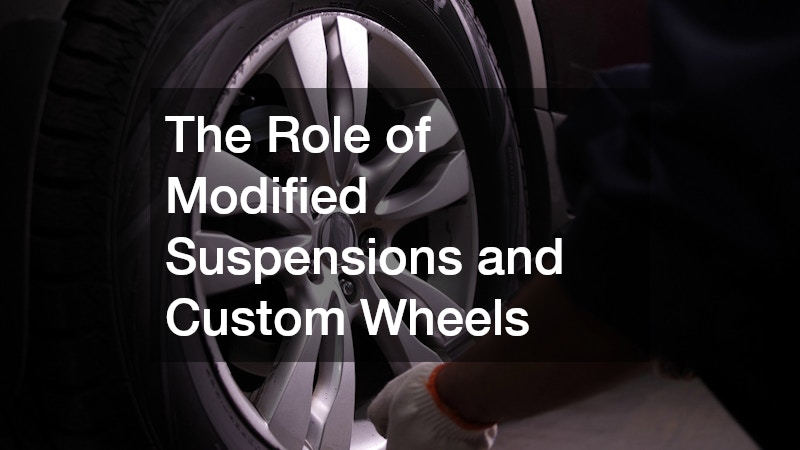
Adding larger wheels, a lift kit, or a lowering kit changes the geometry your suspension was originally designed around. Car customization projects that alter ride height often need a corresponding alignment adjustment, or the vehicle will pull, wander, or wear tires unevenly almost immediately. Aftermarket parts can also introduce more adjustability, which is useful but requires a technician familiar with the specific setup.
If you have recently modified your vehicle and now notice a pull, do not assume it is a defective part. It is more likely that the factory alignment specs no longer apply to your new ride height or wheel offset. A shop that regularly works on modified vehicles can recalculate the correct angles for your specific build.
When Electronics and Sensors Are the Real Problem
Not every pull is purely mechanical. Modern vehicles rely on sensors for stability control, power steering assist, and even automatic braking, and a fault in any of these systems can create a phantom pulling sensation. In some cases, a technician performing key programing on a replacement key or fob accidentally uncovers unrelated electronic faults during diagnostics, since modern key systems often share modules with other vehicle controls.
If a mechanical inspection turns up nothing wrong with tires, alignment, or suspension, it is worth having the electronic power steering and stability control systems scanned for fault codes. These systems can sometimes apply uneven braking or steering assist due to a faulty sensor. Addressing the root electronic issue is the only way to fully resolve the pull in these cases.
Keeping Your Vehicle in Top Shape After Repairs
Once the pulling issue is resolved, a little routine maintenance goes a long way toward keeping your vehicle handling correctly. Regular visits with an auto detailer can help you spot early signs of tire wear or curb damage during routine cleaning, since a thorough detail often includes a close look at each wheel and tire. Catching small issues early, before they turn into a noticeable pull, saves money and keeps your drive safer.
- Rotate tires every 5,000 to 7,000 miles to even out wear
- Recheck alignment after hitting a significant pothole or curb
- Monitor tire pressure monthly, including the spare
- Keep a maintenance log to track when adjustments were last made
A steering wheel that pulls to one side is your car’s way of asking for attention before a small issue becomes an expensive one. Whether the cause is as simple as uneven tire pressure or as complex as a sensor fault, catching it early protects your tires, your fuel economy, and your safety on the road. If the pull persists after checking the basics, schedule a professional inspection so a trained technician can pinpoint the exact cause and get your car tracking straight again.