Key Takeaways
- Following a mileage-based service plan prevents small issues from turning into expensive repairs
- Oil change intervals vary based on whether your engine uses conventional or synthetic blends
- Tire rotations every 5,000 to 8,000 miles help extend tread life and improve handling
- The 30-60-90 interval covers most major preventative services your vehicle will need
- Fluid flushes, belt inspections, and spark plug replacements become critical past 60,000 miles
- Keeping a written log of completed services protects resale value and warranty coverage
- Seasonal checks and rust prevention should supplement your regular service schedule
Why Mileage Matters More Than Time Alone
Most drivers glance at the calendar when deciding whether their vehicle needs attention. That approach misses the point. The real wear and tear on your engine, tires, brakes, and transmission comes from how many miles you drive, not how many months pass between visits to the shop.
Think about it this way. A car that sits in a garage for a year is in a completely different condition than one that logs 25,000 miles in that same timeframe. The commuter car works harder, burns through fluids faster, and stresses mechanical components in ways a weekend cruiser never will. Mileage tells the real story of what your vehicle has endured.
That is why savvy owners track services based on odometer readings rather than vague seasonal reminders. Once you commit to this approach, you gain a clear picture of what your vehicle needs and when. You stop guessing and start planning.
What Should You Do Between 0 and 30,000 Miles?
The first stretch of your odometer life is deceptively simple. New vehicles rarely need major work, but the habits you build during this period set the tone for everything that follows. Skipping even small services early can shorten the life of your engine and drivetrain by years, and it can also void portions of your factory warranty if you can’t produce service records. Think of these first 30,000 miles as the break-in phase not just for your vehicle, but for your ownership routine as well.
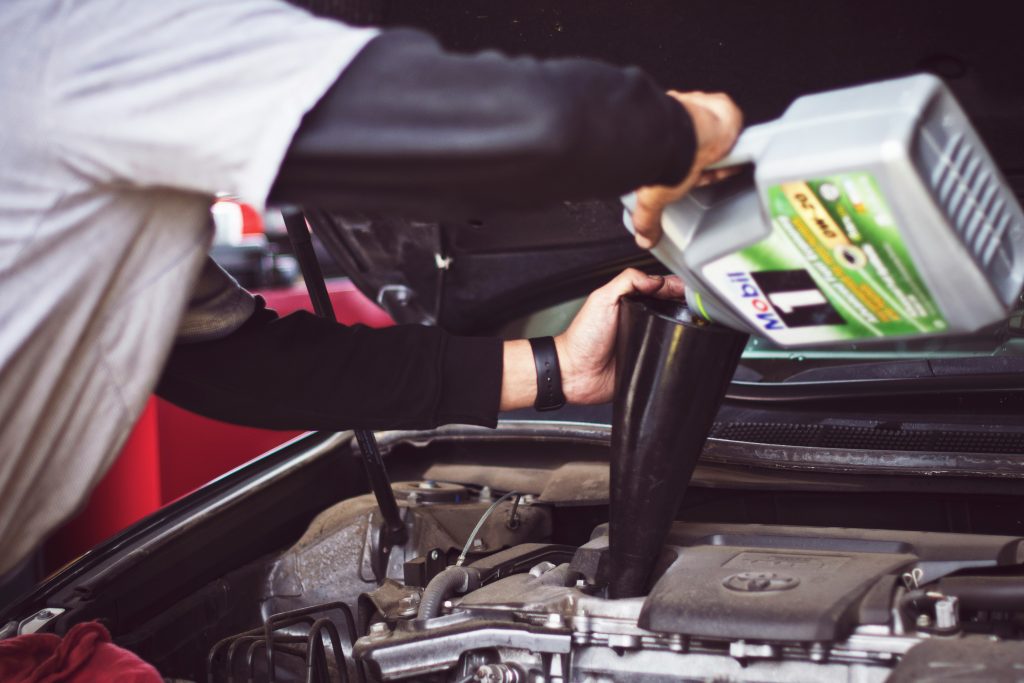
Oil changes top the list. According to AAA, modern engines generally need fresh oil every 5,000 to 7,500 miles thanks to improved formulations and tighter manufacturing tolerances. Stick to that range and your engine will reward you with smooth performance for a long time. If you drive in severe conditions — stop-and-go traffic, extreme heat or cold, dusty roads, or frequent short trips under 10 miles — lean toward the shorter end of that interval. Full synthetic oils can sometimes stretch to 10,000 miles, but always defer to what your owner’s manual specifies for your exact engine and driving profile.
Tires also deserve close attention during this period. New tires wear more evenly when rotated consistently, and uneven wear in the first 20,000 miles often indicates alignment problems that are much cheaper to fix early than after they damage the suspension. Keep a close eye on tire pressure too, checking it at least once a month and before any long trip, since underinflated tires reduce fuel economy and wear out faster.
Here is what to prioritize during this early phase of your car maintenance checklist by mileage:
- Oil and filter changes at manufacturer-recommended intervals
- Tire rotations roughly every 5,000 to 7,000 miles
- Brake inspections during each oil service
- Cabin and engine air filter checks around 15,000 miles
- Windshield wiper replacement as needed, typically every 6 to 12 months
- Battery terminal cleaning and visual inspection
- Fluid top-offs for coolant, washer fluid, and power steering
- Wheel alignment check if you notice any pulling or uneven tread wear
- Visual inspection of belts, hoses, and under-hood wiring for any abnormalities
Developing solid routines during these early miles also builds your awareness. You start to recognize how your vehicle normally sounds, how it brakes, and how it accelerates. That baseline makes it easier to spot trouble later — a faint grinding noise, a longer stopping distance, or a subtle vibration in the steering wheel will stand out immediately because you know what normal feels like. Keeping a simple logbook or using a car maintenance app to track every service, receipt, and observation during this window pays dividends when it comes time to diagnose future issues or sell the vehicle to the next owner.
The Mileage-Based Service Guide for 30,000 to 60,000 Miles
Once your odometer crosses 30,000 miles, the stakes rise considerably. Components that seemed fine during year one begin showing their age, and the margin for error shrinks with every thousand miles you add. Rubber hardens, fluids degrade, friction surfaces wear thinner, and electrical connections oxidize. This is where a disciplined car maintenance checklist by mileage pays real dividends, because small investments now prevent catastrophic repairs down the road. A $150 fluid flush at 45,000 miles is a bargain compared to a $4,000 transmission rebuild at 90,000.
According to Firestone Complete Auto Care, most vehicles follow a 30-60-90 service interval that groups essential preventative work into predictable mileage milestones. That framework makes planning easier and ensures nothing slips through the cracks, especially for owners juggling multiple vehicles or long commutes. Treating these intervals as non-negotiable appointments, much like dental cleanings, keeps your car in a state of ongoing readiness rather than reactive repair.
Fluids and Filters Take Center Stage
Transmission fluid, brake fluid, and coolant all deserve serious attention in this range. These fluids break down slowly but steadily, losing their ability to protect the systems they serve. Transmission fluid loses its lubricating additives and begins to carry suspended metal particles. Brake fluid absorbs moisture from the air, which lowers its boiling point and can lead to a spongy pedal or complete brake fade during hard stops. Coolant becomes acidic over time and starts corroding the radiator, water pump, and heater core from the inside out. Many owners ignore these fluids because the vehicle still runs fine, but that is exactly when damage accumulates silently and shows up later as a sudden, expensive failure.
Replace the fuel filter if your model has a serviceable one, and inspect the power steering fluid for discoloration or a burnt smell. Dark, gritty power steering fluid is a warning that the pump is grinding itself apart. The same goes for differential and transfer case fluids on trucks and all-wheel-drive vehicles, which are often forgotten entirely until a whine develops. These are the kinds of neglected car maintenance tasks that cost owners thousands when transmissions, steering racks, or drivetrains fail prematurely.
Also check these items as you approach 60,000 miles:
- Spark plug condition and replacement if due, especially iridium or platinum plugs rated for this interval
- Serpentine belt and hoses for cracks, glazing, or soft spots that signal imminent failure
- Brake pads, rotors, and a full fluid flush to restore pedal firmness and stopping power
- Alignment check to protect your tire investment and prevent uneven wear patterns
- Suspension components, including struts, bushings, and ball joints, for play or leaks
- Battery load test, since most batteries begin to weaken significantly between 3 and 5 years of use
- Cabin air filter and engine air filter replacement to maintain airflow and interior air quality
How Should You Handle 60,000 to 100,000 Miles?
This range is where neglected vehicles start to fall apart and well-maintained ones hit their stride. The difference almost always traces back to how disciplined the owner has been with routine car maintenance up to this point. Vehicles that received steady care continue running strong well past 150,000 miles.
Kelley Blue Book notes that newer engines designed for synthetic oil can run 7,500 to 10,000 miles between changes, which gives drivers more flexibility but also makes it tempting to stretch intervals too far. Follow your manufacturer’s recommendation and do not push past it just because the dashboard light has not come on yet.
Timing belts, if your engine uses one rather than a chain, typically need replacement somewhere between 60,000 and 100,000 miles. Ignoring this single service can destroy an otherwise healthy engine. Water pumps often get replaced at the same time since they share labor costs with the belt job.
Protecting Against the Elements
This is also the age when corrosion becomes a serious concern, especially in regions with road salt or coastal humidity. Investing in preventing vehicle rust at this stage protects both structural integrity and resale value. Undercoating, regular washing, and sealing exposed metal can add years to a vehicle’s useful life.
Your Service Schedule Based on Odometer Readings Past 100,000 Miles
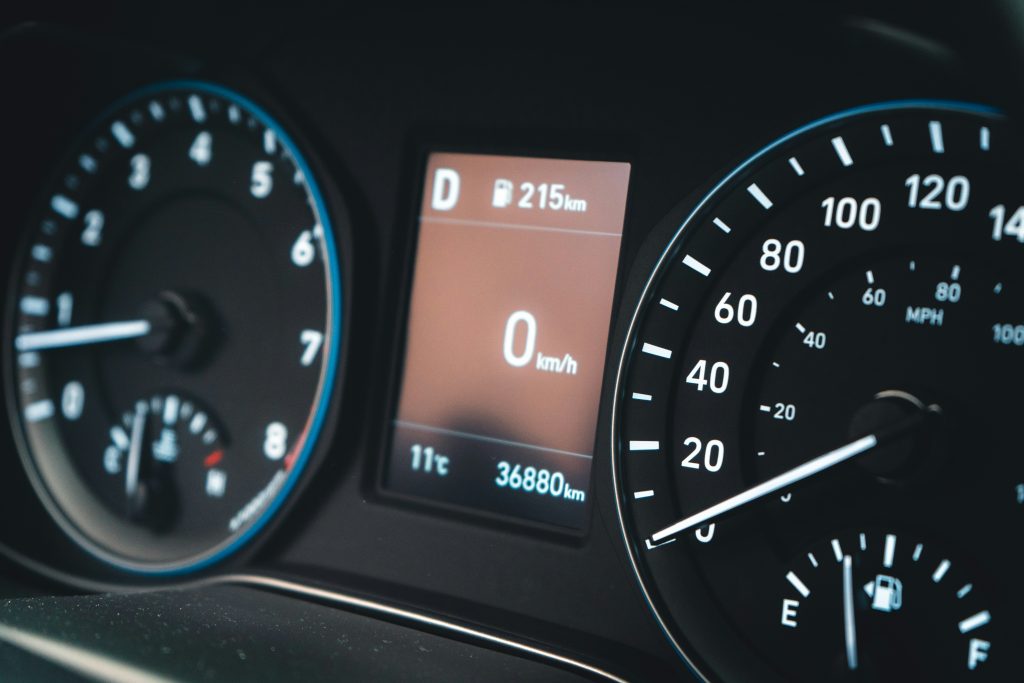
Modern vehicles routinely cross 200,000 miles when properly cared for. The six-digit odometer is not a death sentence; it is a milestone. What matters is how closely you continue to follow a disciplined service rhythm.
AutoZone reports that drivers should rotate their tires every 5,000 to 8,000 miles on average, and this guideline becomes even more important as suspension components wear and alignment drifts. Uneven tire wear in an older vehicle can mask bigger issues like worn bushings or failing shocks.
At this stage, prioritize these inspections:
- Transmission fluid condition and complete flush if overdue
- Differential and transfer case fluids on all-wheel-drive vehicles
- Coolant replacement if not already done
- Oxygen sensors and catalytic converter health
- Suspension bushings, ball joints, and tie rod ends
- Exhaust system for rust-through or leaks
Watching for Weather-Related Wear
Harsh seasons accelerate deterioration on older vehicles. Hail dents, flood exposure, and intense sun all leave marks that get worse with time. Addressing weather damage repair quickly keeps minor cosmetic issues from turning into structural problems that affect safety and value.
How Do You Keep Track Without Losing Your Mind?
A service plan only works if you actually follow it. The most common failure point is not forgetting what needs doing but forgetting when you last did it. Build a tracking system that works for you and stick to it.
Start a simple logbook, either paper in the glovebox or a note on your phone. Record the date, mileage, and service performed every time something gets done. Keep receipts from shops and parts purchases in a folder, physical or digital. This record protects warranty claims and dramatically improves resale valuewhen it comes time to sell or trade in.
Smartphone apps designed for vehicle tracking can automate much of this work. Many sync with your odometer through Bluetooth adapters and send reminders when services approach. If technology is not your thing, a sticker on the inside of the driver’s door with the last oil change mileage works just as well.
Building Habits That Stick
Pair services together whenever possible. When you go in for an oil change, use that visit to rotate tires, check fluids, and inspect belts. Grouping tasks reduces trips to the shop and makes it less likely you will skip something important. Consistency beats intensity every time.
Here are a few habits that make tracking easier:
- Set calendar reminders tied to estimated mileage, not just dates
- Photograph the odometer after every service
- Keep a running list of upcoming services visible in your workspace
- Review your log quarterly to catch anything overdue
- Share records with your mechanic so both of you work from the same information
When Should You Call in a Professional?
Plenty of basic tasks are within reach for a weekend hobbyist, but some jobs demand a trained technician with proper equipment. Knowing where that line sits saves money and prevents accidents. Oil changes, air filter swaps, wiper blades, and battery checks are reasonable DIY territory for most owners.
Transmission work, timing belt replacement, suspension overhauls, and anything involving the fuel system or airbags should go to a qualified shop. The cost of professional labor is almost always cheaper than the cost of fixing a botched repair. Be honest about your skill level and tool collection before taking on anything major.
A good relationship with a trusted mechanic pays off over the long haul. They learn your vehicle’s quirks, flag issues before they become emergencies, and often give you a heads-up on services that can wait versus ones that cannot. That kind of trust is hard to put a price on.
Closing Thoughts
Sticking to a mileage-based service rhythm is one of the smartest financial decisions a vehicle owner can make. The upfront cost of oil changes, fluid flushes, and inspections looks small next to the thousands you save by avoiding engine damage, transmission failure, or premature tire replacement. Every mile you drive is a chance to either build equity in your vehicle or let it slip away through neglect.
The owners who get 200,000 or even 300,000 miles out of their vehicles are not lucky. They follow a plan, write things down, and treat small warning signs as reasons to act rather than reasons to worry. That mindset turns a depreciating asset into a dependable tool that serves you for a decade or more.
Start where you are. Pull out your owner’s manual, check your odometer, and figure out what service is due next. Then do it. The habits you build today will shape every mile that comes after, and your future self will thank you for every entry in that logbook.